
Plants
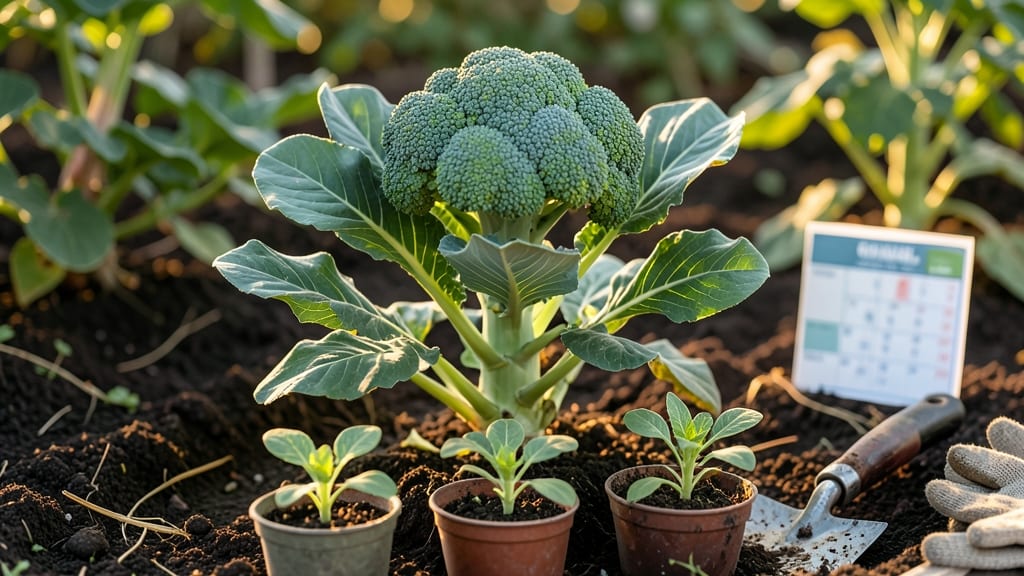
Planting broccoli in Indiana at the wrong time means watching your 🥦 heads bolt in the heat or freeze before they form. The key to a bountiful harvest isn't just luck—it's knowing your county's frost dates and adjusting for Indiana's unpredictable swings from 6a chilly mornings to sudden summer heat.
I've learned the hard way that waiting until after the last frost date (usually around April 15) isn't enough—soil temperature matters just as much. Too cold, and your seedlings will sit stagnant; too warm, and they'll race to maturity before you can harvest.
Let me show you exactly when to plant for both spring and fall crops, plus how to handle those tricky transition weeks.
Whether you're starting seeds indoors or transplanting young plants, timing is everything. We'll cover the ideal planting windows for your specific heat zone, plus pro tips for extending your growing season with row covers and succession planting. Ready to grow broccoli that thrives from seed to harvest?
From northern Indiana's shorter growing season to southern counties with a few extra weeks, this guide gives you the precise schedule you need. No more guessing—just consistent, flavorful 🥦 heads all season long.
Indiana broccoli planting calendar by heat Zone (5a-6b)
Indiana’s three USDA heat zones (5a, 5b, and 6a/6b) create dramatically different planting windows for broccoli. In Zone 5a (northern counties like Lake County), frost lingers until April 25, while Zone 6b (southern regions like Dubois County) enjoys a 3-week earlier start.
These variations mean your spring transplant window could shift by 21 days depending on location.
Broccoli thrives in cool weather (ideal soil temps: 45–75°F) and bolts in summer heat. For spring harvests, plant 4–6 weeks before your last frost date. In Zone 5a, that’s mid-March for starts indoors; in Zone 6b, direct sowing begins late February outdoors.
Fall plantings should start August 1–15 across all zones for October harvests before frost.
Here’s how to match your county’s microclimate to precise planting dates:
For Zone 5a gardeners, Lake County’s average last frost is April 25, so transplant 4-week-old seedlings outdoors April 15–25. Use row covers if nights dip below 32°F—broccoli can tolerate 25°F but prefers 40°F+.
In Zone 6b, Dubois County’s earlier frost dates let you start direct sowing as early as late February, but avoid planting when soil temps exceed 75°F or bolting occurs.
Soil temperature is critical: broccoli roots struggle in cold, wet soil. Use a soil thermometer—wait until soil hits 45°F for planting.
In northern Indiana, this often means waiting until late April even if air temps warm earlier. Southern Indiana can plant 3 weeks sooner, but succession plant every 2 weeks for continuous harvests.
Pro tip: Fall broccoli in Zone 5a needs to be planted by August 15 to mature before October 20 frost. In Zone 6b, you can stretch this to August 31.
Use heat-tolerant varieties like ‘De Cicco’ for later plantings, as summer heat stunts growth. Always mulch heavily to keep roots cool in Zone 6b’s hotter summers.
Indiana’s unpredictable weather means backup dates are essential. If late frosts hit (common in Zone 5a), delay planting until May 1 or use cold frames. For Zone 6b, watch for early heat waves—if temps exceed 85°F, broccoli bolts in 10 days.
Plant shade cloth over seedlings if forecasts warn of 90°F+ days.
County-specific examples show why local data matters. In Lake County (5a), gardeners often lose 30% of spring crops to frost if planting too early. Meanwhile, Dubois County (6b) gardeners can enjoy two full harvests—spring and fall—by leveraging earlier frost dates.
Always check Almanac frost predictions for your exact ZIP code to fine-tune timing.
For container growing, adjust windows by 2 weeks earlier—pots warm faster. In Zone 5b, start container seedlings indoors February 15 for April 1 transplanting. Use self-watering pots
How to adjust planting for Indiana’s unpredictable spring weather
Indiana’s spring weather can shift faster than a late frost sneaking in after warm days. I’ve seen 50°F mornings followed by 70°F afternoons—perfect for confusing your broccoli seedlings.
The key is flexibility: knowing when to protect young plants, which varieties can handle temperature swings, and how to plan backup harvests if summer arrives early.
First, focus on soil temperature, not just air temperature. Broccoli seeds need soil at 40°F or warmer to germinate reliably. In northern Indiana (zones 5a/5b), wait until mid-April unless you’re using a row cover to warm the soil faster.
Southern Indiana (6a/6b) can start 2 weeks earlier, but always check your local frost-free date—it’s not just about the calendar.
- 1 Use cold-hardy varieties like ‘Waltham 29’ or ‘Calabrese’—they tolerate 28°F for short periods. These are your insurance policy against late frosts.
- 2 Deploy row covers (floating or hoop) when nighttime temps drop below 40°F. Remove during the day to prevent overheating—broccoli hates 85°F+ soil temps.
- 3 Plant succession crops every 2 weeks from April to June. This ensures a continuous harvest even if early plantings bolt from heat. Example: Start seeds indoors in March, then direct-sow outdoors in late April and early May.
- 4 Monitor soil moisture—Indiana’s spring showers can turn to drought overnight. Use mulch (straw or shredded leaves) to retain moisture and keep roots cool. Water deeply in the morning to prevent fungal diseases like downy mildew.
- 5 Plan a fall backup by sowing seeds in early August for a late-October harvest. This works because days are shorter, and broccoli matures faster in cooler weather. Use black plastic mulch to warm soil for earlier starts.
Don’t forget to harden off seedlings before transplanting—Indiana’s windy springs can shock tender plants. Acclimate them outdoors for 7–10 days before moving to the garden. I’ve lost entire batches because I skipped this step, so trust me when I say it’s worth the extra time.
For northern Indiana gardeners, consider a cold frame to extend your season. Place it over seedlings in March to jumpstart growth, then remove it once soil warms.
This buys you 2–3 extra weeks of planting time, which can mean the difference between a bolted crop and a full harvest.
Finally, keep an eye on the National Weather Service for frost advisories. Even in May, a 32°F night can ruin your broccoli. If frost is forecasted, cover plants with lightweight blankets or old bedsheets—they’ll thank you with tight, flavorful heads instead of wilted leaves.