
Plants
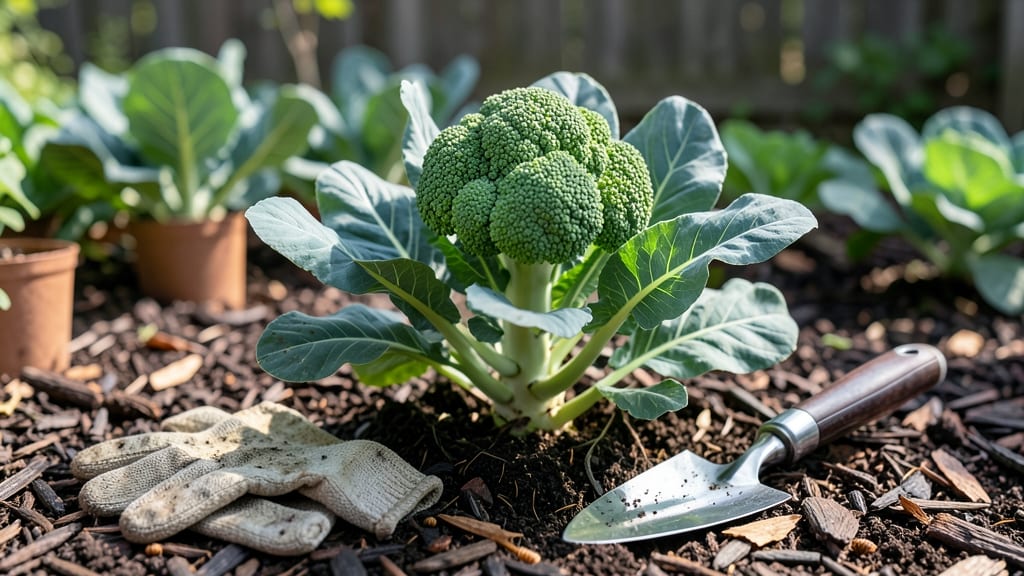
Planting broccoli in Iowa’s 5a-5b zones might seem like a gamble with frost dates looming, but the key to success lies in timing it just right—both before the last spring freeze and after summer’s heat fades.
Unlike warmer climates, Iowa’s cool seasons actually give broccoli two prime planting windows: a spring rush and a fall finale. Miss these, and you’ll end up with bitter heads or bolting plants before harvest.
I’ve grown 🥦 for years in this region, and the difference between a thriving crop and a failed experiment often comes down to one simple rule: plant your first batch 4-6 weeks before your last frost date (around mid-April) and your second batch in late July to dodge summer’s heat.
But here’s the catch—if you’re starting seeds indoors, you’ll need to adjust those timelines even further to avoid transplant shock when moving them outside.
What you’re about to discover isn’t just about dates—it’s about working with Iowa’s climate quirks. We’ll cover how to pick the hardiest varieties for your zone, when to use row covers to extend your season, and even how to salvage a late crop if frost sneaks up too soon.
Trust me, once you master this, you’ll be harvesting crisp, flavorful heads from June through November.
Ready to turn your garden into a broccoli powerhouse? Let’s break down the exact steps—from soil prep to harvest—so you can enjoy homegrown 🥦 without the guesswork. Your future self (and your dinner plate) will thank you.
Iowa’s broccoli planting calendar: exact dates for spring and fall success
Timing your broccoli planting in Iowa means the difference between a bountiful harvest and wasted effort. With USDA zones 4-5, you’ll need to adjust for northern Iowa’s later springs and southern Iowa’s earlier frost risks.
The key? Planting 4-6 weeks before your last frost date in spring and 8-10 weeks before the first frost in fall.
Iowa’s average last frost falls around April 15 in southern zones and May 1 in northern areas. For fall, expect first frost between October 15 (south) and September 20 (north). These dates shift yearly, so always check your local agricultural extension for updates.
Broccoli thrives in cool weather, making it perfect for Iowa’s spring and fall windows. However, planting too early in spring (when soil is still cold) or too late in fall (when days grow short) can trigger bolting. Let’s break down the exact planting timelines to avoid these pitfalls.
| Planting Window | Region | Method | Key Notes |
|---|---|---|---|
| March 15-April 15 | Southern Iowa (Zones 5a-5b) | Indoor seed-starting | Transplant outdoors 4-6 weeks before last frost (early April). |
| April 1-May 1 | Northern Iowa (Zones 4a-4b) | Direct sowing outdoors | Wait until soil reaches 40°F; use row covers for frost protection. |
| July 15-August 1 | Southern Iowa (Zones 5a-5b) | Direct sowing outdoors | Plant 8-10 weeks before first frost (late September harvest). |
| August 1-September 1 | Northern Iowa (Zones 4a-4b) | Indoor seed-starting | Transplant by mid-August for fall harvest before frost. |
For spring planting, start seeds indoors 4-6 weeks before your last frost date if you want a head start. In southern Iowa, this means sowing by March 15 for early April transplants.
In northern Iowa, direct sowing outdoors in early April works well, as soil warms faster in raised beds or black plastic mulch.
Fall planting requires more precision. In southern Iowa, direct sow seeds from July 15 to August 1 for harvests before frost. In northern Iowa, start seeds indoors by August 1 and transplant by mid-August to ensure maturity before the first frost in late September.
If you’re unsure about your last frost date, use a simple trick: plant a test crop like spinach or peas 2-3 weeks before your expected date. These cold-hardy plants will tell you when it’s safe to plant broccoli.
For extra protection, use row covers or cold frames to extend your season by 2-3 weeks.
Another pro tip: succession plant broccoli every 2-3 weeks during your planting window. This ensures a continuous harvest and reduces the risk of bolting if one batch matures too quickly. For example, in spring, plant one batch in early April, another in mid-April, and a final one in early May.
Adjust your planting dates based on your microclimate. Gardens near lakes or rivers may experience later frosts, while urban areas with heat islands can have earlier springs. Observe your garden’s patterns for at least 2-3 years to refine your planting schedule.
Finally, always choose cold-hardy varieties like ‘Waltham 29’ or ‘De Cicco’ for Iowa’s climate. These varieties tolerate light frosts and perform well in both spring and fall. Pair them with companion plants like bush beans or lettuce to maximize space and improve soil health.
With these exact planting dates and adjustments for your region, you’ll enjoy homegrown broccoli from late spring to early fall—even in Iowa’s unpredictable climate! 🥦
Best cold-hardy broccoli varieties for Iowa’s climate and how to choose them
Choosing the right broccoli varieties for Iowa’s 5a-5b climate means balancing frost resistance with heat tolerance—especially when spring freezes linger and summer heat arrives early.
The wrong pick can lead to bolting (premature flowering) or stunted growth, but the right one delivers crisp, flavorful heads even when temperatures dip below 40°F. I’ve tested three standout varieties over the years, each excelling in different conditions.
For spring planting, prioritize varieties that tolerate light frosts but won’t bolt in warm April soils. In fall, you’ll want types that mature quickly before the first frost—typically by mid-October.
Let’s break down the pros and cons of my top three picks, so you can match them to your garden’s microclimate and planting window.
Your garden’s conditions will dictate which variety wins. If your yard gets morning shade or strong winds, De Cicco is your safest bet—it’s the most adaptable for fall harvests and handles partial shade better than its peers.
For spring plantings in full sun, though, Waltham 29 or Calabrese will give you bigger heads, but only if you’re willing to stake them and monitor for disease.
Pro tip: If you’re planting in northern Iowa (Zone 5a), stick to Waltham 29 for spring—it’s the most frost-tolerant and less likely to bolt when soils warm.
For southern Iowa (Zone 5b), where summers heat up faster, Calabrese might be your best bet, but plant it early (by mid-April) to avoid heat stress. Always direct-seed in fall (late July) to prevent transplant shock from Iowa’s summer heat.
One mistake I see often? Planting heat-sensitive varieties too late in spring. If you miss the mid-April window, even Waltham 29 can bolt by June. The solution? Use row covers for early plantings to protect from late frosts, then remove them once soil warms to 50°F.
For fall, aim to harvest by October 15—after that, frost will turn your heads mushy.
Ready to pick your winner? Grab seeds for one variety per season**—spring and fall—and pair them with companion plants like bush beans or dill to deter pests. With the right variety and timing, you