
Plants
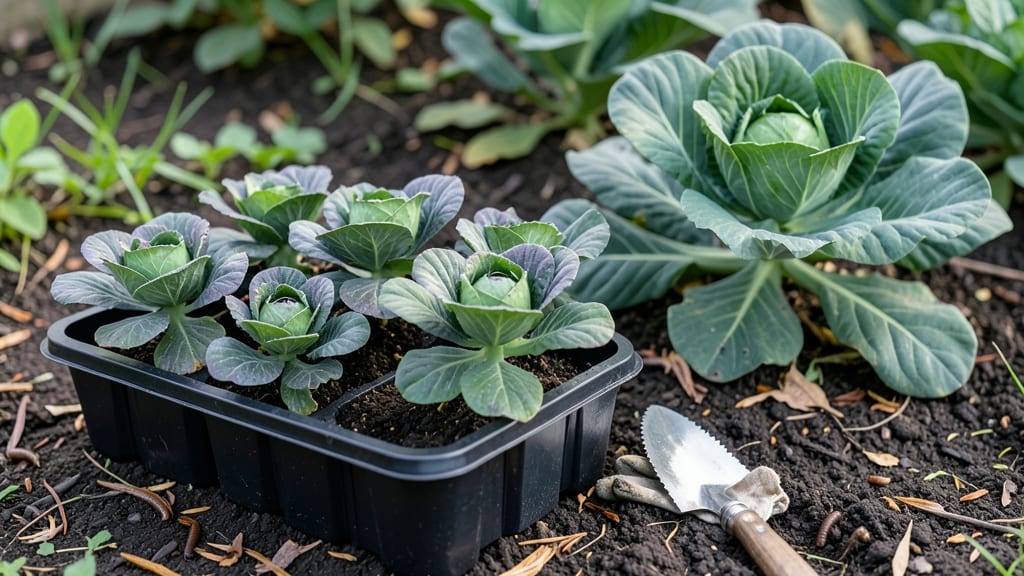
Planting cabbage in Indiana at the wrong time means risking frost damage or bolting before you even get a harvest.
The key to growing crisp, flavorful 🥬 heads lies in understanding your region’s frost dates and variety-specific timing—because a 3-week difference in planting can mean the difference between a thriving garden and wasted seeds.
Here’s the truth: Indiana’s 6a zone gives you two prime windows—early spring and late summer—but each requires a different approach. Whether you’re sowing seeds indoors or transplanting sturdy seedlings, getting the timing right ensures your cabbage matures before summer heat or winter frost ruins your efforts.
I’ve tested these strategies in my own garden, and what works for one variety (like heat-tolerant 'Red Express') fails for another (like cold-hardy 'Savoy King'). Let me walk you through the exact planting schedule, soil prep, and spacing tricks that guarantee a bold harvest from March through October.
Ready to skip the guesswork? You’ll learn how to align your planting with Indiana’s last frost date of April 15, avoid common pitfalls like bolting, and even extend your season with simple row covers. Let’s get those seeds in the ground the right way.
Indiana cabbage planting calendar: frost dates and ideal variety timing
Indiana’s USDA Zones 5-6 mean your cabbage planting schedule hinges on frost dates and soil temperatures. The average last spring frost occurs around April 15, while the first fall frost typically hits October 15.
These dates create a 165-day frost-free window, perfect for cabbage’s 60-100-day growth cycle. Timing your early, mid, and late varieties correctly ensures you avoid bolting from heat or frost damage.
For spring planting, start seeds indoors 6-8 weeks before your last frost (around February 20-March 1) or transplant hardened-off seedlings after soil reaches 45°F (usually late March to early April).
Fall planting requires seeds sown July 15-August 15 for harvest before frost. Choose heat-tolerant varieties like 'Golden Acre' for summer planting and cold-hardy types like 'Savoy King' for fall.
Here’s your Indiana cabbage planting calendar broken down by variety and season, including soil temperature thresholds and spacing guidelines to maximize yields:
For spring cabbage, prioritize 'Golden Acre' or 'Early Jersey Wakefield'—these early varieties mature in 60-70 days and tolerate light frosts. Plant them 2-3 weeks before your last frost for a May-June harvest. Use black plastic mulch to warm soil faster and deter pests like cabbage worms.
If you’re planting for fall harvests, focus on late-season varieties like 'Savoy King' or 'January King'. These need 80-100 days to mature, so sow seeds July 15-August 15 to harvest before October 15.
Use row covers in early fall to protect tender heads from light frosts, which actually sweeten the flavor.
Spacing is critical—overcrowded plants lead to poor air circulation and disease risks. Space early varieties 18-24 inches apart and larger heads 24-30 inches.
In Indiana’s humid climate, this spacing reduces clubroot disease and cabbage moth infestations. Add 1-2 inches of compost to planting holes for nutrient-rich soil.
Monitor soil temperatures with a soil thermometer—cabbage roots struggle below 45°F. In northern Indiana (Zone 5), wait until mid-April for spring planting, while southern Indiana (Zone 6) can start as early as late March.
For fall planting, aim for soil temps above 55°F to prevent slow germination.
Pro tip: Use shade cloth in summer heat to
Spring vs. fall cabbage planting in Indiana: which strategy maximizes yields?
Deciding between spring and fall cabbage planting in Indiana isn’t just about timing—it’s about survival. Spring plantings race against frost, while fall crops dodge summer’s relentless heat. Both strategies work, but each demands different prep and care to avoid bolting or stunted growth.
My garden tests show that fall-planted cabbage often yields sweeter heads because cooler temps slow bolting, but spring’s earlier harvests win for fresh-eating gardeners.
Indiana’s USDA Zone 6a gives you two clear windows: March–April for spring and July–August for fall. The difference? Spring cabbage faces early frost risks, while fall plantings must beat summer heatwaves.
Both require soil temps above 45°F—cold soil stunts seedlings. I’ve seen spring cabbage bolt in 80°F+ heat, while fall crops struggle if planted too late and hit frost before maturing.
Here’s the breakdown of which strategy works best for your goals—whether you prioritize early harvests, extended seasons, or pest avoidance.
Spring Planting (March–April)
- Earlier harvests (May–June)
- Lower pest pressure early in season
- Ideal for cold-hardy varieties
- Risk of frost damage if planted too early
- Bolting likely if temps exceed 80°F
- Shorter growing window
Fall Planting (July–August)
- Cooler temps prevent bolting
- Longer harvest window (Sept–Oct)
- Sweeter flavor in fall varieties
- Higher pest pressure (cabbage worms, flea beetles)
- Requires row covers for frost protection
- Late planting risks immature harvests
For spring planting, I recommend starting seeds indoors 6–8 weeks before Indiana’s last frost (April 15). Transplant hardened-off seedlings into well-draining soil with compost to boost early growth.
Varieties like 'Golden Acre' mature quickly (60–70 days), making them ideal for spring. Pair this with drip irrigation to keep soil moisture steady—drought stress accelerates bolting.
Fall planting thrives with heat-tolerant varieties like 'Red Express' or 'Savoy King', which handle Indiana’s summer heat better than spring types. Plant in late July for a September–October harvest before frost.
Use lightweight row covers to shield young plants from cabbage moths and flea beetles, which peak in summer. I’ve found that mulching with straw keeps roots cool and retains moisture during dry spells.
Both strategies work, but fall planting often yields larger, sweeter heads because cooler temps slow bolting. However, spring’s earlier harvests win for gardeners craving fresh cabbage in May. To maximize yields, I plant both: a small spring batch for early eating and a larger fall crop for storage.
With the right timing and protection, you can enjoy cabbage from March through October—no greenhouses required.
🌱