
Plants
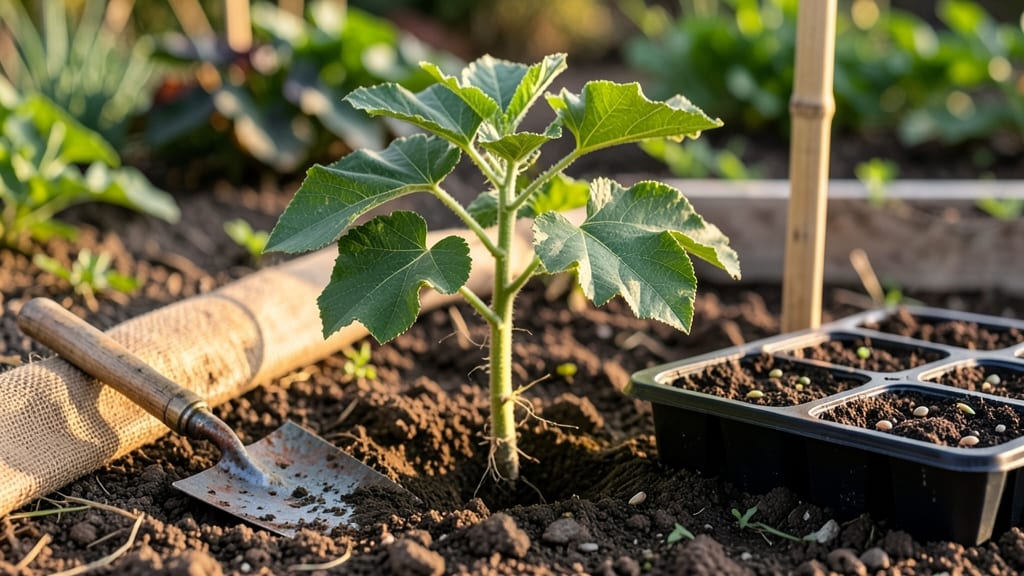
Planting cantaloupe in Ohio isn’t just about waiting for spring—it’s about catching that narrow window between frost and summer heat where your vines can thrive. Skip the timing, and you’ll either lose your plants to cold snaps or watch them wilt before they fruit.
The key? Understanding your zone’s last frost date and soil temperature thresholds to give your 🍈 the best shot at success.
Ohio’s USDA Zone 6a means you’ve got roughly mid-April to early May to get seeds in the ground, but don’t rush—soil needs to hit at least 70°F for those seeds to germinate.
Too soon, and frost will nip your progress; too late, and you’ll miss the sweet harvest window from July to August. I’ll break down exactly when to plant, how to prep your soil, and even how to stretch the season with a few clever tricks.
Most Ohio gardeners swear by direct sowing after the last frost, but if you’re eager to start earlier, I’ll show you how to use row covers or black plastic mulch to warm the soil faster.
The goal? A bumper crop of ripe, juicy cantaloupes without the guesswork. Let’s make sure your garden doesn’t become another casualty of planting too soon—or too late.
Whether you’re a first-time grower or a seasoned pro, these tips will help you avoid common mistakes like planting in cold soil or ignoring drainage. By the end, you’ll know exactly when to plant, how to protect your vines, and what to watch for as your cantaloupes grow.
Ready to turn your Ohio garden into a cantaloupe haven?
Ohio frost-free deadlines & soil temperature requirements for cantaloupe
Ohio’s USDA zones 5-7 create a unique challenge for cantaloupe growers—these vines hate cold soil and frost. While northern Ohio (Zone 5) has earlier frost risks, southern Ohio (Zone 7) enjoys longer growing seasons.
The key? Planting after the last average frost date and waiting for soil to warm to 70°F+. This ensures your seeds germinate quickly and vines thrive.
Cantaloupes are warm-season crops that won’t tolerate chilly nights. In Ohio, this means mid-April to early May is typically your planting window—but don’t rush! Use a soil thermometer to confirm warmth before sowing.
Cold soil delays germination by weeks, leaving your plants vulnerable to pests and disease. Patience here pays off with sweeter, healthier fruit.
Here’s the critical breakdown by zone, including last frost dates, ideal planting windows, and soil temperature thresholds:
Why soil temperature matters more than air temperature? Cantaloupe seeds need consistent warmth to germinate—below 68°F, they may rot in the ground. Use a soil thermometer (available at garden centers for ~$10) to check depth.
In Ohio’s cooler zones, black plastic mulch can raise soil temps by 5-10°F, creating a microclimate perfect for cantaloupes.
Pro tip: If you’re eager to start early, try indoor seed starting in late March. Use grow lights to keep seedlings healthy until transplanting after the last frost. But remember—cantaloupes hate transplant shock, so handle seedlings gently and harden them off for 7-10 days before moving outdoors.
Ohio’s short growing season (about 165 frost-free days) means timing is everything. Plant too late, and your cantaloupes won’t mature before the first frost in mid-October. Aim for a 75-day variety like ‘Athena’ or ‘Hale’s Best’ to ensure harvests in July-August.
These varieties thrive in Ohio’s climate and resist common diseases like powdery mildew.
For gardeners in Zone 5, consider using row covers or a mini greenhouse to extend the season. Remove covers during the day to prevent overheating, but leave them on at night to protect young plants.
This trick can add 2-3 extra weeks of growing time—critical for northern Ohio’s shorter summers.
Don’t forget: Cantaloupes need full sun (8+ hours daily) and well-draining soil. Amend your garden beds with compost before planting to improve drainage and fertility. A soil pH of 6.0-6.8 is ideal, so test your soil in early spring.
If your pH is off, add lime to raise it or sulfur to lower it before planting.
By mastering these frost-free deadlines and soil temperature rules, you’ll set your cantaloupe vines up for success. Watch for those first yellow blossoms—they’re your sign that warm weather has arrived, and harvest is just around the corner! 🍈
Step-by-step cantaloupe planting timeline for Ohio’s climate
Ohio’s short growing season demands precision when planting cantaloupe. The key is waiting until your soil reaches 70°F+ and all frost risk has passed.
Most gardeners in USDA Zone 6a aim for late April to early May, but early starts with row covers can push your timeline back by 2-3 weeks. Below is my foolproof month-by-month guide to maximize your cantaloupe harvest.
For Ohio gardeners eager to get a head start, I recommend using black plastic mulch or row covers to warm the soil faster. This lets you plant seeds 2-3 weeks earlier than the traditional window—just remove covers once vines emerge.
The goal? A July-to-August harvest before Ohio’s first frost hits in mid-October.
📅 Your Ohio Cantaloupe Planting Timeline
-
Late March (Indoor Start - Optional)
Start seeds indoors under grow lights if using row covers for early planting. Use biodegradable pots to avoid transplant shock. -
Mid-April (Soil Prep)
Test soil pH (6.0-6.8) and amend with compost. Lay down black plastic mulch 1-2 weeks before planting to warm soil. -
Late April (Direct Sowing)
Plant seeds 1 inch deep, 2-3 feet apart in hills of 3-4 seeds. Wait until soil hits 70°F+—use a soil thermometer! -
Early May (Transplant or Thin)
Thin seedlings to 1-2 strongest plants per hill. If using row covers, remove them after vines emerge to prevent overheating. -
June (Vine Care)
Train vines with trellises or cages to save space. Add mulch to retain moisture and suppress weeds. -
July-August (Harvest)
Pick when the stem slips easily and rind turns cream/yellow. Expect 75 days to maturity from planting.
Pro tip: If you’re in southern Ohio (Zone 7), you can push planting back to early May—just ensure your soil stays consistently warm.
For northern Ohio (Zone 5), stick to late April and use row covers to extend the season. Black plastic mulch is my secret weapon for faster soil warming, cutting 2-3 weeks off your wait time.
Don’t forget to fertilize lightly when vines start running (early June) and again when flowers appear. Over-fertilizing leads to leafy growth instead of fruit. Water deeply in the morning to prevent fungal diseases—cantaloupes hate wet foliage.
With this timeline, you’ll avoid the #1 Ohio gardening mistake: planting too soon and losing your crop to frost. Follow these steps, and you’ll be feasting on homegrown cantaloupe by mid-summer—no guesswork required! 🍈