
Plants
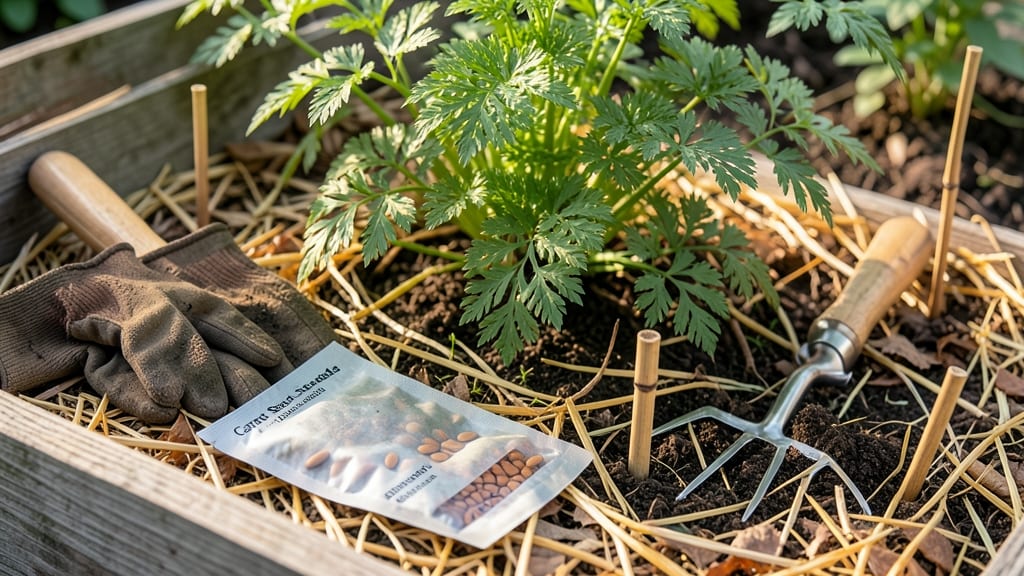
Planting carrots in East Tennessee at the wrong time can mean the difference between a garden full of sweet, crisp 🥕 and a patch of wilted disappointment.
The key to fast germination and a bountiful harvest lies in understanding your local climate—where soil temperatures fluctuate unpredictably between Zone 6a-7a and last frost dates hover around mid-April.
Most gardeners assume they should plant as soon as the ground is workable, but in East Tennessee’s variable spring weather, that’s a recipe for slow starts and stunted growth.
Instead, aim for when soil temperatures consistently reach 50°F or warmer, usually around late March to early April—this triggers those tiny seeds to sprout within 7-14 days.
But here’s the catch: If you’re eager for an early harvest, you can also try a late-summer planting in July or August. This second window works surprisingly well in our region, giving you a second chance to grow carrots before the first frost hits in mid-October.
The trick is preparing your soil right—loose, well-drained, and free of rocks to prevent forking.
I’ve tested these timing strategies in my own garden, and the results speak for themselves: faster germination, straighter roots, and a harvest window that stretches from May through October. Let’s break down exactly how to time your plantings for maximum success in East Tennessee’s unique climate.
Best planting windows for carrots in East Tennessee’s climate zones
East Tennessee’s Zone 6b-7a climate creates unique challenges for carrot growers, with last frost dates ranging from mid-April in higher elevations to early April in lower valleys. Unlike cooler northern regions, our humidity and rocky soil demand precise timing to avoid bolting or poor germination.
The key is planting when soil reaches 50°F consistently, which typically aligns with late March to early April for spring crops.
For fall harvests, focus on July to early August sowings to ensure carrots mature before the first frost hits around mid-October. This two-window strategy maximizes your growing season while avoiding East Tennessee’s summer heat stress that can cause bitter roots.
Let’s break down the exact timing for your specific microclimate.
| Planting Window | Soil Temp Requirement | Ideal Month | Harvest Window | Notes for ET Climate |
|---|---|---|---|---|
| Spring | 50°F+ (consistent) | Late March - Early April | May - June | Use row covers if nights dip below 40°F |
| Early Summer | 55°F+ (warmer soil) | Mid-April - May | July - August | Risk of bolting in heat; choose short-day varieties |
| Fall | 50°F+ (cooling soil) | July - Early August | September - October | Avoid planting after mid-August for mature roots |
| Late Fall | 45°F+ (cold-tolerant) | September | October - November | Best for baby carrots; use mulch for insulation |
In Zone 6b areas (higher elevations like Great Smoky Mountains), aim for April 15 as your spring cutoff—soil warms slower here due to higher elevations and morning fog.
For Zone 7a regions (like Knoxville or Chattanooga), you can start as early as March 20 if you’ve amended soil with compost to retain heat.
I’ve found that covering rows with black plastic for 3-5 days before planting can add 5-10°F to soil temperature, giving you a 2-week earlier start.
For fall planting, prioritize July 1-15 to give carrots 90-100 days before frost. In my Zone 7a garden, I’ve had success with ‘Paris Market’ carrots sown on July 10 and harvested by October 1.
The trick is to water deeply in late summer to prevent soil from drying out too quickly as temperatures drop. A 1-inch layer of straw mulch helps maintain moisture while protecting roots from temperature swings.
East Tennessee’s rocky soil can be a challenge—carrots need loose, stone-free beds to grow straight. I recommend double-digging your planting area in fall or early spring and mixing in sand or compost to improve drainage.
If your soil is particularly clay-heavy, consider growing short varieties like ‘Little Finger’ which tolerate denser soils better than long types.
One common mistake I see is planting too early when soil is still cold and wet. Carrot seeds won’t germinate below 50°F, and soggy conditions lead to rot. Use a soil thermometer ($10 at garden centers) to verify temperatures—60°F is ideal for consistent germination.
In my experience, seed tape (pre-spaced seeds) makes timing easier, especially for beginners, as it eliminates the need for thinning seedlings later.
For succession planting, sow new rows every 2-3 weeks from March through July to ensure a continuous harvest. In my Zone 7a garden, I’ve planted 5 successive batches between March 20 and June 15, spacing them 3 weeks apart to stagger maturity.
This method prevents overcrowding and gives me carrots from May through October. Just remember to water lightly after each sowing to settle seeds into the soil.
If you’re new to East Tennessee gardening, start with one spring and one fall planting to build confidence. I recommend ‘Nantes’ for spring (sweet, uniform roots) and ‘Danvers’ for fall (cold-hardy, stores well).
Both varieties handle our humidity and variable temperatures better than fancier heirlooms. And don’t forget—companion planting with leeks or rosemary deters carrot flies, a common pest in our region.
Pro tip: Mark your planting dates on a garden calendar and note any weather anomalies. For example, if we get an unexpected frost in late April, your early spring carrots might need row covers for protection. Over time, you’ll develop a personalized planting schedule
Soil temperature secrets: how to test and time carrot germination
Carrot seeds need consistent soil temperatures of 50°F or warmer to germinate properly, and East Tennessee’s spring warming can be unpredictable. Unlike many vegetables, carrots won’t sprout reliably in cold soil—even if the air feels warm.
I’ve learned the hard way that planting too early often results in seeds sitting dormant for weeks, only to rot when temperatures finally rise.
To avoid this frustration, I start monitoring soil temperatures in late February using a simple soil thermometer. The key is patience: waiting for soil to warm to 55°F or above ensures germination within 7-14 days.
In my Zone 7a garden, this typically happens around mid-to-late March, but microclimates in higher elevations may need an extra week.
⚠️ WARNING: Planting Too Early in East Tennessee ⚠️
For precision planting, I use seed tape (pre-spaced seeds on biodegradable tape) to maintain even depth and spacing. This is especially helpful in East Tennessee’s rocky, clay-heavy soils, where uneven germination can lead to forking. The tape also makes thinning seedlings easier—just pull the whole row at once when they’re about 2 inches tall.
If you miss the spring window, don’t despair—East Tennessee’s late-summer planting (July-August) works surprisingly well. Soil temperatures stay warm enough for germination, and you’ll have time to harvest before the first frost in mid-October.
Just be sure to use fast-maturing varieties (like ‘Early Nantes’) to ensure a harvest before cold weather sets in.
Pro tip: Test your soil’s warmth by pressing your hand into the ground—if it feels cool to the touch, your seeds won’t germinate. For a quick check, use a soil thermometer (available for under $10) and monitor temperatures at 2-inch depth, where most carrot seeds will be planted.
Consistency is key: aim for 55°F+ for at least 5 days before planting.
Once you’ve nailed the timing, maintain even moisture (about 1 inch per week) to prevent cracks in developing roots. Mulch with straw or shredded leaves to keep soil temperatures stable and reduce watering fluctuations.
With the right soil temps and care, you’ll go from seed to harvest in just 60-80 days—and that’s a reward worth the wait! 🥕