
Plants
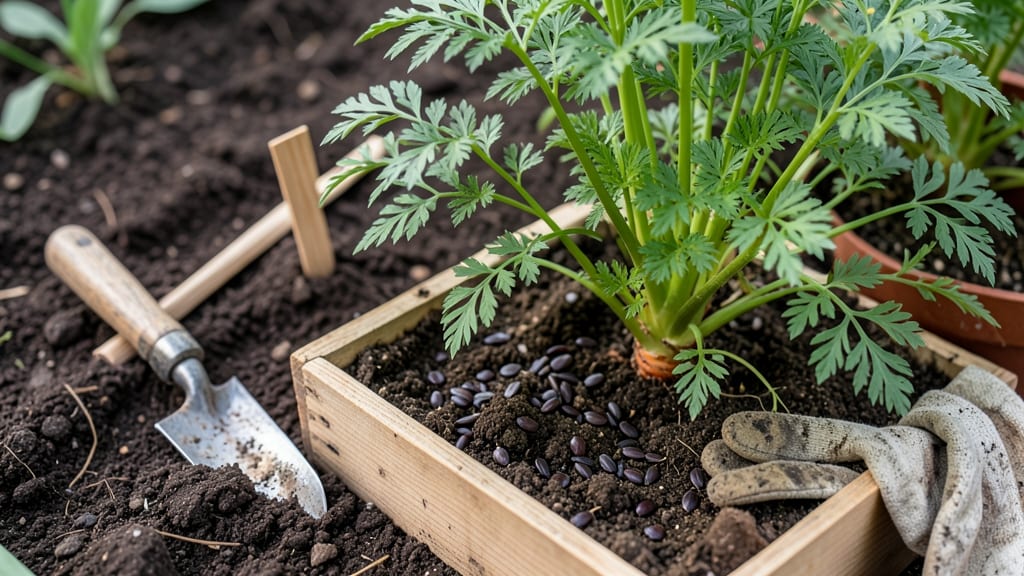
Planting carrots in New York might seem tricky with its unpredictable weather, but timing is everything for those sweet, crisp 🥕 roots you crave.
The key to success lies in knowing when to start seeds—whether it's the crisp spring air or the cooler fall months that work best for your zone.
With New York's 6a climate, you've got two prime windows: April 15 to June 15 for spring and September 1 to October 15 for fall. These periods give your carrots enough time to mature before the first frost hits around late October.
Missing these windows could mean stunted growth or bitter-tasting roots.
But here's the game-changer: proper soil prep and variety selection can extend your growing season even further. I'll show you how to prepare your garden beds for maximum success, which carrot types thrive in NY's short seasons, and how to avoid common mistakes that ruin harvests.
Ready to grow carrots that rival the ones at the farmers' market? Let's dive into the exact steps to make your garden yield perfect, straight roots—no matter what New York's weather throws your way.
NY carrot planting calendar: best months by season (spring, summer, fall)
New York’s diverse climate zones—from NYC’s urban microclimates to Upstate’s cooler regions—mean your carrot planting schedule should account for last frost dates and soil warmth.
In most of NY (USDA Zone 6a), aim to plant 4-6 weeks before the average last frost date (around April 15 for Upstate, slightly later for NYC). This gives seedlings time to establish roots before summer heat arrives.
For fall harvests, focus on late summer planting (early September) to ensure carrots mature before first frost (typically October 25). Upstate gardens can push this to mid-October, while NYC’s shorter season may require cold-frame protection for late plantings.
The key is balancing root development time (60-80 days) with frost risk.
Spring planting is your best bet for summer harvests, but don’t overlook early spring sowings under row covers. Cold-hardy varieties like 'Danvers' can handle 40°F soil temps, while tender types need 50°F+. NYC’s urban heat islands may allow 1-2 weeks earlier planting than Upstate.
Upstate gardeners enjoy longer growing seasons and can start 2-3 weeks earlier than NYC, but both regions face soil temperature challenges. Test soil warmth with a soil thermometer—carrot seeds need 50°F+ to germinate. In cool springs, soak seeds in lukewarm water for 24 hours to speed germination.
For continuous harvests, stagger plantings every 2-3 weeks from spring through early fall. This successive planting strategy works especially well in NYC’s smaller gardens, where space is limited. Pair early varieties (e.g., 'Little Finger') with late-season types (e.g., 'Nantes') to extend your harvest window.
Avoid planting carrots in summer’s peak heat (July-August) unless you’re growing short-day varieties in partial shade. High temperatures cause bolting (premature flowering) and woody roots. Instead, focus on fall plantings for crisp, sweet carrots that store well through winter.
NY’s clay-heavy soils are notorious for causing forked carrots, but proper timing helps. Plant in early spring when soils are still moist from winter, reducing the need for heavy irrigation that compacts clay. For fall crops, add sand or compost to improve drainage before planting.
Pro tip: Mark your planting calendar with moon phases—root crops like carrots thrive when planted during the waning moon in earth signs (Taurus, Virgo, Capricorn). This traditional method aligns with NY’s cool, damp springs and autumns, enhancing root development.
Remember, patience is key—carrots take 60-80 days to mature, so plan your schedule accordingly. With these NY-specific timing tips, you’ll enjoy homegrown carrots from early summer through late fall, even in challenging climates. 🥕
Soil preparation secrets for perfect carrot growth in NY gardens
New York’s clay-heavy soil can turn your carrot dreams into a forked nightmare if you don’t prep it right. Carrots need loose, rock-free soil to grow straight and tender—something many NY gardens struggle with.
The secret lies in breaking up compaction and adding organic matter to create the perfect growing medium.
Start by testing your soil’s pH level—carrots thrive in slightly acidic to neutral soil between 6.0 and 7.0. If your soil tests higher or lower, amend it with compost or peat moss to adjust naturally.
NY’s heavy clay also benefits from sand or perlite to improve drainage and prevent waterlogging.
🌱 STYLED LIST: NY SOIL PREP STEPS
-
1. Loosen Soil
Use a broadfork or tiller to break up 6-12 inches deep—carrots need room to grow long roots. -
2. Remove Rocks
Sift through soil with gloves to eliminate any stones larger than 1/4 inch—they cause forking. -
3. Add Organic Matter
Mix in 3-4 inches of compost or well-rotted manure to improve texture and fertility. -
4. Level the Bed
Rake soil smooth to create a fine, crumbly surface—ideal for tiny carrot seeds. -
5. Mulch Lightly
Apply 1 inch of straw after planting to retain moisture and suppress weeds.
For raised beds, fill them with a 50/50 mix of topsoil and compost to ensure perfect drainage and nutrient balance. Avoid fresh manure—it can cause bolt-resistant issues and attract pests. If your soil is particularly dense, consider growing carrots in container gardens with a lightweight potting mix.
One common mistake NY gardeners make is over-fertilizing with nitrogen, which encourages leafy tops but stunts root growth. Instead, use a low-nitrogen fertilizer (like 5-10-10) sparingly—just enough to support steady growth without excess foliage. Side-dress with compost mid-season for a nutrient boost.
Finally, water deeply but infrequently—carrots need consistent moisture, but soggy soil leads to rot. Aim for 1 inch of water per week, delivered in the morning to reduce fungal risks.
With these soil secrets, your NY garden will produce straight, sweet carrots worthy of a farmers' market display. 🥕