
Plants
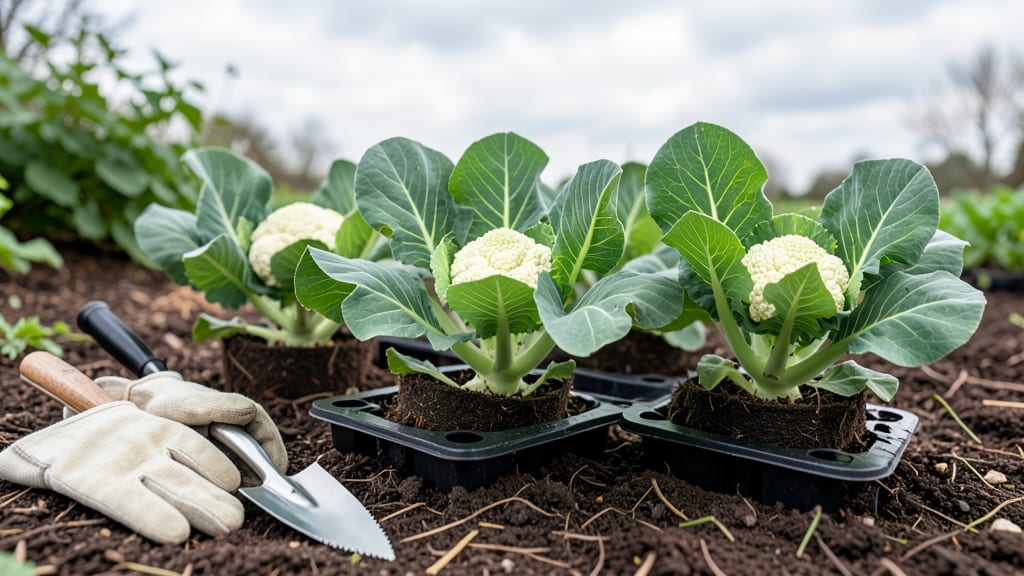
Planting cauliflower in Florida isn’t just about timing—it’s about outsmarting the heat and humidity to grow tight, flavorful heads without bolting. While most gardeners focus on frost dates, Florida’s frost-free climate shifts the game entirely, demanding a different strategy for both fall and spring crops.
The key to success lies in those critical 6-week windows—September to October for fall and February to March for spring—when temperatures are just right for seedlings to establish roots before summer’s scorching sun or winter’s rare chills take over.
Skip this timing, and you’ll end up with bitter, loose heads or plants that bolt faster than you can say "🥬."
I’ve grown cauliflower in Florida’s 9a-11 zones for years, and the difference between a thriving harvest and a failed attempt often comes down to one thing: preparation.
Whether you’re in North Florida’s cooler pockets or South Florida’s steamy heat, I’ll show you exactly how to adjust your planting schedule, soil prep, and even shade strategies to maximize your yield.
Ready to grow cauliflower that actually tastes like it came from a farmers’ market? Let’s dive into the exact steps to turn Florida’s tricky climate into your cauliflower-growing advantage.
Florida cauliflower planting calendar: fall vs spring timing for zero-frost success
Growing cauliflower in Florida requires precision—especially since our frost-free winters and hot summers create unique challenges. Unlike northern climates, Florida gardeners can grow cauliflower year-round with the right timing. The key? Planting during cooler months when temperatures stay between 60°F and 75°F for optimal head formation.
Florida’s microclimates further complicate things. Northern Florida (zones 9a-10a) faces occasional light frosts in December, while southern Florida (zones 10b-11) stays warm year-round. Below, I’ll break down the best transplant windows for both fall and spring plantings, including heat-tolerant varieties that thrive in Florida’s heat.
Why timing matters: Cauliflower bolts (goes to seed) when stressed by heat or drought. In Florida, this means avoiding summer plantings entirely. Instead, focus on fall and spring windows when temperatures align with the plant’s needs. For example, a September transplant in northern Florida will mature by December, just before potential frost.
For fall plantings, aim to transplant 6-8 week old seedlings in late August to October, depending on your region. Northern Florida gardeners should start earlier (late August) to avoid December frosts, while southern Florida can extend plantings into early November.
The goal is to have heads mature by January before temperatures rise again.
Spring plantings follow a similar logic but work backward. Transplant in February or March so heads form by May or June, when summer heat arrives. In northern Florida, a March transplant will yield harvests just as summer stress begins.
Use shade cloth (30-50%) to protect plants from afternoon sun during these months.
One of my biggest cauliflower-growing mistakes in Florida was planting too late in spring. A late April transplant in central Florida bolted by June because the heat stressed the plants.
Instead, I now stick to February-March for spring and September-October for fall. Succession planting every 3 weeks ensures a steady harvest without gaps.
If you’re growing cauliflower in containers or raised beds, adjust your timing slightly. Containers heat up faster, so transplant 2 weeks earlier in spring and 2 weeks later in fall to compensate.
For example, a container-grown cauliflower in south Florida should go in by late March for a May harvest.
Pro tip: Use black plastic mulch to warm soil in spring or straw mulch to cool roots in summer. This extends your planting window by 2-3 weeks in both directions. I’ve seen April transplants thrive with this trick in central Florida, pushing harvests into June.
Finally, don’t overlook soil preparation. Cauliflower thrives in well-draining, slightly acidic soil (pH 6.0-6.8). Amend your beds with compost and aged manure before planting.
In sandy Florida soils, mix in peat moss or coconut coir to retain moisture. Consistent moisture is critical—cauliflower heads split if they dry out.
With these regional adjustments and heat-tolerant varieties, you can grow cauliflower in Florida year-round without frost damage. Start with one fall
How to extend your cauliflower season in Florida without frost damage
Florida’s frost-free climate is a gardener’s blessing—but it also means heat stress becomes your biggest enemy when growing cauliflower. Unlike northern states, we don’t have to worry about freezing temps, but summer heat spikes above 85°F can send your plants bolting faster than you can say "🥬."
The secret to success? Strategic timing, shade, and soil prep to keep your plants cool and happy during Florida’s long growing season.
Most gardeners focus on frost dates, but in Florida, the real battle is against unpredictable summer heat and humidity swings. By extending your cauliflower season with the right techniques, you can enjoy harvests year-round—even in the heart of summer.
Here’s how I’ve done it in my Zone 9b garden for years, with minimal bolting and maximum yield.
One of my biggest lessons learned is that evening temperatures matter just as much as daytime highs. In South Florida, where nights barely drop below 75°F, I’ve found that white cauliflower varieties bolt faster than purple or orange types. That’s why I now prioritize heat-tolerant colors for summer plantings.
For North Florida gardeners in Zone 9a, where rare December frosts can occur, I recommend using row covers or cold frames to protect late fall plantings. The goal is to extend your harvest window as long as possible—because in Florida, every extra week of cauliflower season is a win.
Pro tip: If you’re growing cauliflower in containers, choose self-watering pots and place them in partial shade during the hottest part of the day. Containers heat up 30% faster than in-ground beds, so mulch heavily with straw or wood chips to insulate roots.