
Trees
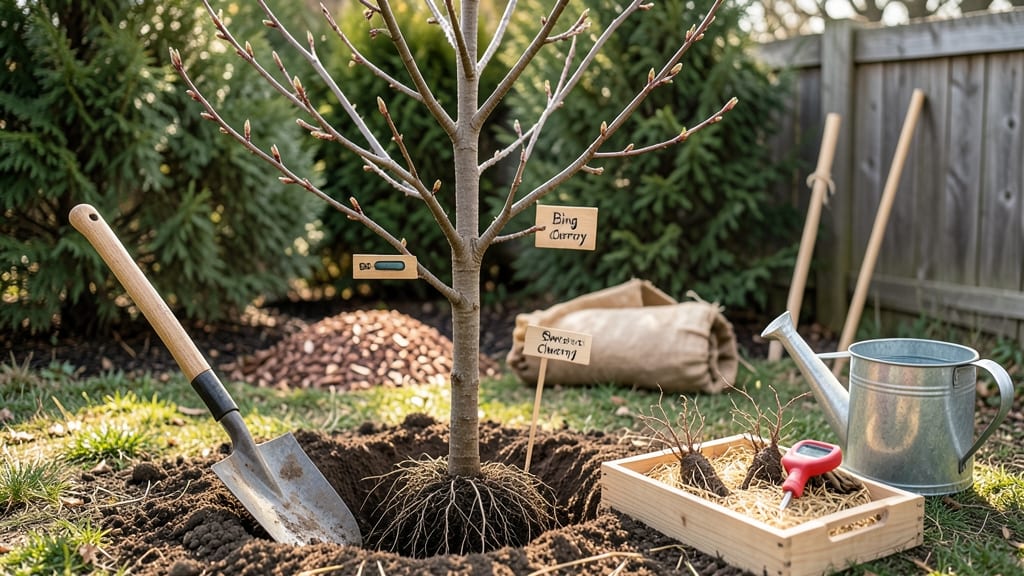
Timing your cherry tree planting in Zone 5 could make or break those dreamy spring blooms—get it wrong, and you might wait years for fruit. The key? Understanding chill hours and frost patterns to give your 🍒 the perfect start.
Most gardeners in Zone 5 assume fall planting is always best, but spring can actually work better for bare-root trees. The trick lies in matching varieties to your local frost dates—some cherries need 600 chill hours, while others thrive with up to 1,000.
I’ll walk you through the ideal September-October window for container-grown trees and why early April works for bare-root varieties. Plus, I’ll share how to adjust for late frosts or microclimates that can throw off even the best-laid plans.
Ready to plant with confidence? Let’s break down the exact steps to ensure your cherry tree grows strong, blooms reliably, and bears fruit for years to come.
Zone 5 cherry tree planting timeline: month-by-month chill-hour breakdown
Planting cherry trees in Zone 5 requires timing that aligns with both chill-hour requirements (600-1,000 hours) and frost dates. Unlike warmer zones, Zone 5’s late spring frosts and cold winters demand precise planning to ensure your tree thrives.
Sweet cherries (like 'Stella') need 900-1,000 chill hours, while tart varieties (like 'Montmorency') thrive with 600-800 hours. Miss the window, and you risk delayed blooms or no fruit at all.
Zone 5’s first frost typically arrives in mid-October, and the last frost lingers until mid-May. This means your planting window is short—either early fall (September-October) or early spring (April).
Fall planting gives roots time to establish before winter, while spring planting avoids winter stress. However, late fall planting (November) risks root freeze before dormancy sets in.
Microclimates in Zone 5—like urban heat islands or south-facing slopes—can shift chill hours by 100-200 hours. For example, a tree near a brick wall may accumulate chill hours faster than one in an open field.
Use a chill-hour tracker or local weather data to adjust your timeline. If your area runs short on chill hours, opt for low-chill varieties like 'Balaton' (600 hours) over high-chill 'Rainier' (1,000 hours).
| Month | Task | Chill Hours Accumulated | Notes |
|---|---|---|---|
| September | Plant bare-root trees | 0-100 hours | Ideal for tart cherries; soil temp >50°F |
| October | Plant container-grown trees | 100-300 hours | Last chance for sweet cherries; mulch heavily |
| November | Avoid planting (risk of freeze) | 300-500 hours | Wait until spring if soil is frozen |
| April | Plant bare-root trees (dormant) | 500-700 hours | Best for high-chill sweet cherries |
| May | Monitor for late frosts | 700-900 hours | Use frost cloth if blooms appear |
In September, focus on planting bare-root cherry trees for tart varieties like 'Montmorency'. The soil is still warm (above 50°F), and roots can establish before winter.
Water deeply but avoid waterlogging—cherry trees hate soggy roots. For container-grown trees, September is also ideal, but ensure the root ball isn’t frozen before planting.
By October, shift to sweet cherry varieties like 'Stella' or 'Lapins', which need more chill hours. Plant by mid-October to allow roots to harden off before frost.
Mulch with 4-6 inches of wood chips to insulate roots. If you miss October, wait until early April—planting in November risks root freeze and poor survival.
Spring planting in April is your backup window, especially for high-chill sweet cherries. Choose a cloudy day to reduce transplant shock, and water immediately after planting.
Avoid fertilizing until buds swell in late April, as new growth is vulnerable to late spring frosts. Monitor your local frost forecast—some Zone 5
How to match cherry tree varieties to Zone 5’s frost windows
Choosing the right cherry tree variety for Zone 5 isn’t just about taste—it’s about surviving those late spring frosts that can wipe out blooms. Varieties like 'Stella' (sweet cherry) and 'Montmorency' (tart cherry) thrive here, but their bloom timing must align with your local frost patterns.
I’ve planted both and learned the hard way that bloom date matters more than chill hours alone.
Zone 5’s average last frost date is mid-May, but microclimates can push this back by weeks. Sweet cherries like 'Rainier' bloom earliest, making them riskier unless you’re in a warm microclimate.
Tart cherries like 'Montmorency' bloom later, giving them a better chance to avoid frost damage. The key is matching varieties to your specific frost window.
Here’s how I match varieties to frost windows in Zone 5:
For Zone 5 gardeners, I recommend starting with 'Montmorency' or 'Meteor' tart cherries—they bloom later and are self-pollinating, reducing risks. If you’re set on sweet cherries, plant 'Stella' with a pollination partner like 'Van', and monitor frost forecasts closely.
I use the National Weather Service’s frost probability maps to fine-tune my planting dates each year.
Pro tip: Plant sweet cherries on the south side of your yard to delay bloom time by a few days. I’ve seen a 5-7 day difference in bloom timing just by adjusting location.
Also, avoid early-blooming varieties like 'Rainier' unless you’re in a sheltered microclimate—those blooms will freeze 90% of the time in Zone 5.
Once you’ve matched varieties to your frost window, time your planting for September-October (container-grown) or early April (bare-root). This gives roots time to establish before winter dormancy or spring growth. Pair this with a winter mulch of 4-6 inches of straw to protect roots from freeze-thaw cycles.
With the right variety and timing, you’ll go from frozen blooms to bountiful cherries in just a few years. Trust me, that first harvest after avoiding frost damage is worth every bit of planning!