
Trees
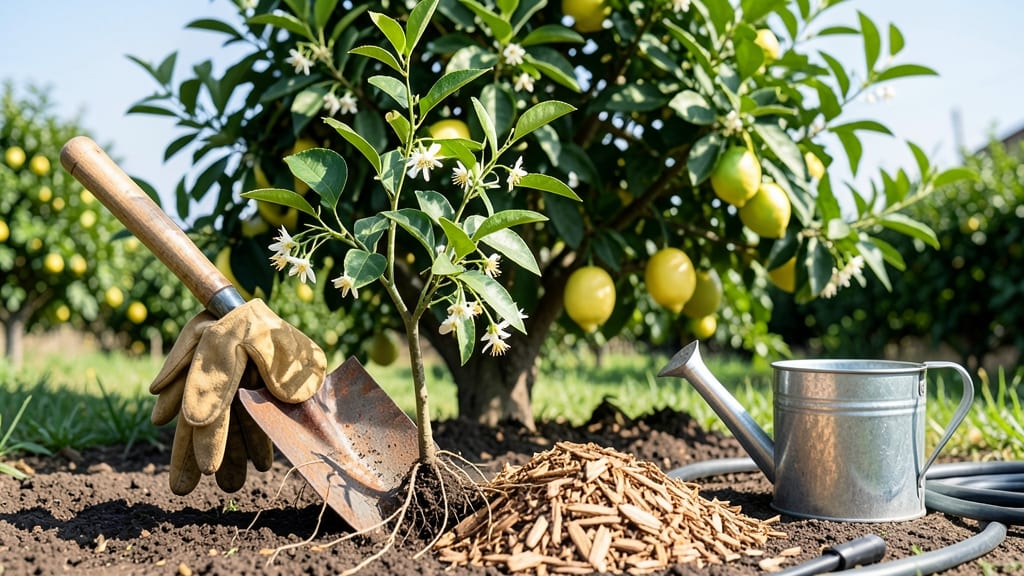
Planting a 🍊 citrus tree in Arizona might seem simple—after all, the desert climate is perfect for these sun-loving plants. But timing your planting wrong could mean struggling with stunted growth, heat stress, or even losing your tree before it ever bears fruit.
The key to success lies in those cool winter months when temperatures dip just enough to give young roots a fighting chance. I’ve seen firsthand how planting outside this window—especially during the brutal summer heat—can turn a thriving citrus tree into a sad, wilting shadow of its potential.
If you’re ready to grow a productive citrus tree that thrives year after year, you’ll want to know exactly when to plant based on your Arizona location—whether you’re in Phoenix’s low desert or Tucson’s high-desert areas. Let’s break down the best months and why they matter.
From soil prep to watering schedules, I’ll share the game-changer tips that make all the difference between a struggling sapling and a lush, fruit-bearing tree. Ready to get started?
Best months to plant citrus trees in Arizona (and why timing matters)
Arizona’s mild winters and frost-free climate make it ideal for citrus trees, but timing your planting is critical. The best months to plant citrus—November through February—align with cooler temperatures and reduced stress for young roots. This window allows trees to establish before Arizona’s brutal summer heat arrives.
Planting outside these months, especially in summer’s extreme heat, can cause transplant shock or even death. Citrus trees need time to adapt to Arizona’s dry, alkaline soils and intense sunlight, which is why winter planting gives them the best start.
Let’s break down the ideal timing and why it matters so much.
Soil temperature is the key factor. Citrus roots thrive when soil stays between 60°F and 75°F. In Arizona, this happens naturally in winter, while summer soil temps can exceed 100°F, cooking young roots. Even spring planting (March-April) risks heat stress, though it’s slightly better than summer.
Arizona’s microclimates also play a role. Low desert areas like Phoenix and Tucson have almost no frost risk, while higher elevations (e.g., Flagstaff or Prescott) may see light frosts. Adjust planting times slightly earlier in cooler zones—October-November—to avoid late-winter cold snaps.
Now, let’s look at the optimal planting window and what to expect during each month:
While November and December are peak months, January and February still work if you act quickly. The goal is to get trees in the ground before soil temps rise above 75°F.
For container-grown citrus, you can extend planting slightly into early spring, but bare-root trees need winter’s cooler conditions.
Arizona’s low deserts (Phoenix, Yuma) can plant as late as mid-February with minimal risk, while high deserts (Flagstaff, Show Low) should aim for October-November to avoid late-winter cold snaps. Always check your local frost dates, even in frost-free zones, as microclimates vary dramatically.
If you miss the winter window, your only option is container planting, which lets you move trees indoors during summer. However, this method requires daily watering and high humidity to mimic outdoor conditions. For most Arizona gardeners, winter planting is the only reliable path to a thriving citrus tree.
Ready to plant? Start by selecting a well-draining site with 6+ hours of sun and amend the soil with compost and citrus-specific fertilizer. Water deeply after planting, and mulch to retain moisture—critical in Arizona’s dry climate.
With the right timing, your citrus tree will reward you with fruit for years to come. 🌱🍊
Citrus tree varieties and their ideal Arizona planting times
Arizona’s diverse microclimates mean Valencia oranges and Meyer lemons thrive in Phoenix, while grapefruit and limes need cooler Flagstaff conditions. Each variety has unique cold hardiness and growth cycles that dictate the perfect planting window.
Let’s break down the best months for each, so you can avoid heat stress or frost damage.
For Phoenix (USDA Zone 10-11), citrus trees can be planted year-round, but November through February offers ideal soil temperatures and minimal heat stress. In Flagstaff (Zone 7-8), stick to late spring (May-June) after the last frost risk, or early fall (September) for a head start before winter.
| Variety | Best Planting Months (Phoenix) | Best Planting Months (Flagstaff) | Cold Hardiness (F°) | Growth Cycle |
|---|---|---|---|---|
| Valencia Orange | November–February | May–June or September | 20°F (hardy to light frost) | Slow to moderate (5-10 years to bear) |
| Meyer Lemon | November–January | May–June | 15°F (most cold-hardy citrus) | Fast (2-3 years to bear) |
| Grapefruit | December–February | June–July | 25°F (sensitive to frost) | Moderate (4-7 years to bear) |
| Key Lime | November–January | May–June | 20°F (tolerates brief frost) | Fast (2-4 years to bear) |
Meyer lemons are your best bet for cooler areas like Flagstaff—they tolerate 15°F and produce fruit faster than other varieties. Meanwhile, Valencia oranges need Phoenix’s warmth to thrive, with their 20°F tolerance making them risky in high-desert zones. Always check your local frost dates, even in Arizona!
Pro tip: Container-grown citrus gives you flexibility—move potted trees indoors during winter if you’re in Zone 7 or colder. Use black plastic pots to absorb heat and protect roots from freezing temps. Mulch heavily around the base to insulate soil during cold snaps.
Regardless of variety, avoid planting in summer—the extreme heat stresses young roots. Instead, choose cool-season months when soil temps stay below 75°F for optimal root establishment. Your citrus trees will thank you with lush growth and bountiful harvests!