
Plants
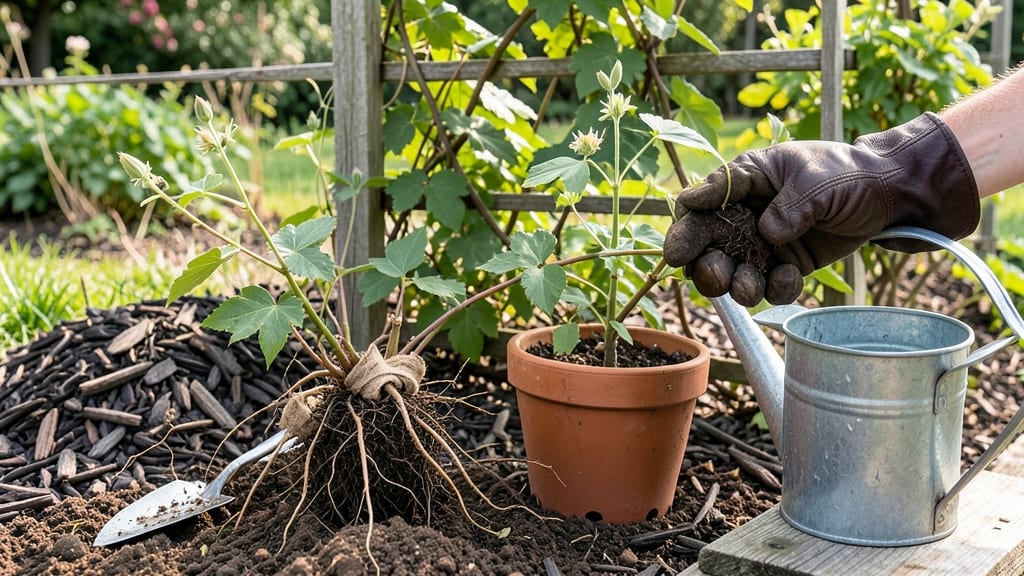
Timing your clematis planting in Colorado isn’t just about the calendar—it’s about surviving the state’s dramatic shifts from freezing nights to sudden heat waves.
Plant too early in Denver’s Zone 5b, and frost will nip your 🌸 clematis before it takes root; too late, and your vines may struggle to establish before winter’s early arrival in Colorado Springs’ Zone 6a.
Here’s the game-changer: spring planting (March-April) gives your clematis a head start, while fall planting (September-October) offers a second chance for high-altitude gardeners in Grand Junction’s Zone 6b. But getting it right means knowing your last frost date—because even a few degrees can make or break your elevation-specific timeline.
Whether you’re a Front Range gardener or a Western Slope enthusiast, I’ll break down the exact windows for each zone, plus pro tips to adjust for early vs. late bloomers. No more guessing—just thriving clematis that climb and bloom like they’re supposed to.
Ready to plant with confidence? Let’s dive into the frost-free deadlines that’ll keep your clematis happy year after year, no matter where in Colorado you garden.
Colorado’s frost-free deadlines for clematis by elevation Zone
Colorado’s elevation-driven climate creates wildly different planting windows for clematis. At 5,280 feet in Denver, the rules are one thing, but at 9,000 feet in Aspen, they’re entirely different. Understanding these frost-free deadlines ensures your clematis thrives from the Front Range to the Rockies.
Clematis vines need 6-8 weeks of warm soil before sprouting. In Colorado’s USDA zones 4-7, this translates to planting either 4-6 weeks before last frost (spring) or 6-8 weeks before first frost (fall). Let’s break it down by region so you don’t gamble with your vines.
⚠️ Key Rule: Wait until soil temperatures stay above 50°F (10°C) for at least 24 hours. Use a soil thermometer—don’t guess! Cold soil stunts root growth, and clematis hate soggy, chilly starts.
🌿 Visual Guide: Here’s your at-a-glance planting calendar for Colorado’s three main regions, including last frost dates, soil temp thresholds, and elevation adjustments.
| Region | Elevation Range | USDA Zone | Last Frost (Avg.) | First Frost (Avg.) | Spring Planting Window | Fall Planting Window |
|---|---|---|---|---|---|---|
| Front Range (Denver, Boulder) | 5,000–6,500 ft | 5b–6a | April 15–May 1 | October 1–15 | March 15–April 15 | September 1–15 |
| Western Slope (Grand Junction, Fruita) | 4,000–5,500 ft | 6b–7a | March 15–April 1 | October 15–30 | February 15–March 15 | September 15–October 1 |
| Mountain Regions (Aspen, Leadville) | 7,500–9,500 ft | 4a–5a | May 15–June 1 | September 15–October 1 | May 1–15 | August 15–31 |
Notice how Aspen’s planting window shifts 6 weeks later than Denver’s? That’s elevation in action. High-altitude areas like Leadville (USDA Zone 4a) have a shorter growing season, so fall planting is riskier—stick to late summer if you must plant then.
For Denver gardeners, aim for mid-March to mid-April when soil temps hit 50°F (10°C). Use a black plastic mulch to warm the soil faster if needed. Pro tip: Test soil moisture—clematis roots rot if planted in soggy ground, even in spring.
In drier Western Slope regions like Grand Junction, you can plant earlier (as early as February 15) because the soil warms faster. However, water deeply after planting to help roots establish before summer’s heat arrives. Drip irrigation is your best friend here.
Mountain gardeners face the toughest challenge: late frosts and short seasons. If you’re in Zone 4a, wait until after May 15 to plant—earlier and frost will kill tender new growth. For container gardening in high-altitude areas, use heat mats or plant in black pots to absorb warmth.
Always acclimate container-grown clematis before planting. Harden off plants for 7–10 days by gradually exposing them to outdoor conditions. This reduces transplant shock, especially critical in Colorado’s dry winds and temperature swings.
Remember: Clematis are perennials, so getting the timing right the first year means decades of blooms with minimal effort. Use these deadlines as your guide, but monitor local forecasts—Colorado’s weather is unpredictable, and a late frost can still sneak in even after the average date.
How to adjust planting time for early vs. late varieties
Colorado’s microclimates demand precision when planting clematis varieties. Early bloomers like ‘Jackmanii’ (purple-blue flowers) thrive with a 6-8 week head start before your area’s last frost, while late-season varieties like ‘Niobe’ (deep red blooms) benefit from fall planting to establish roots before winter.
Timing isn’t just about months—it’s about soil temperatures and elevation-specific cues.
For Denver’s 5,280 ft elevation, aim to plant early varieties like ‘Jackmanii’ in late March to early April when soil temps reach 50°F. Late bloomers such as ‘Niobe’ can wait until mid-September, giving roots time to anchor before first frost.
In high-altitude areas like Aspen (8,000 ft), adjust by 2-3 weeks earlier—plant early varieties in mid-March and late varieties by late August.
Early Varieties (e.g., 'Jackmanii')
Late Varieties (e.g., 'Niobe')
Urban Denver gardeners can use container gardening hacks to extend planting windows. Choose large pots (18"+ diameter) with well-draining mix (50% potting soil, 30% perlite, 20% compost). Plant early varieties in containers by mid-April and move them to protected spots if frost threatens.
For late varieties, use black fabric pots to warm soil faster in fall.
High-altitude adjustments are critical. In Colorado Springs (6,000 ft), plant early varieties 2 weeks earlier than Denver—aim for late February to early March. Use row covers for the first 2-3 weeks to shield young plants from unpredictable mountain winds.
For late varieties, mulch heavily with straw or wood chips to insulate roots during chilly nights.
Soil preparation varies by microclimate. In arid Western Slope regions like Grand Junction, focus on moisture retention—mix in hydrated mulch (e.g., coconut coir) to reduce water loss. In moist mountain valleys, prioritize drainage by adding sand or gravel to heavy soils.
Always plant clematis with the crown 4-6 inches deep and shade at the base to prevent rot.
Pro tip: Test your soil’s pH (6.0-7.0 ideal) and adjust with lime (to raise pH) or sulfur (to lower pH) before planting. Early varieties like ‘Jackmanii’ reward patience with vibrant summer blooms, while late varieties like ‘Niobe’ offer stunning fall color—both worth the timing effort! 🌸