
Plants
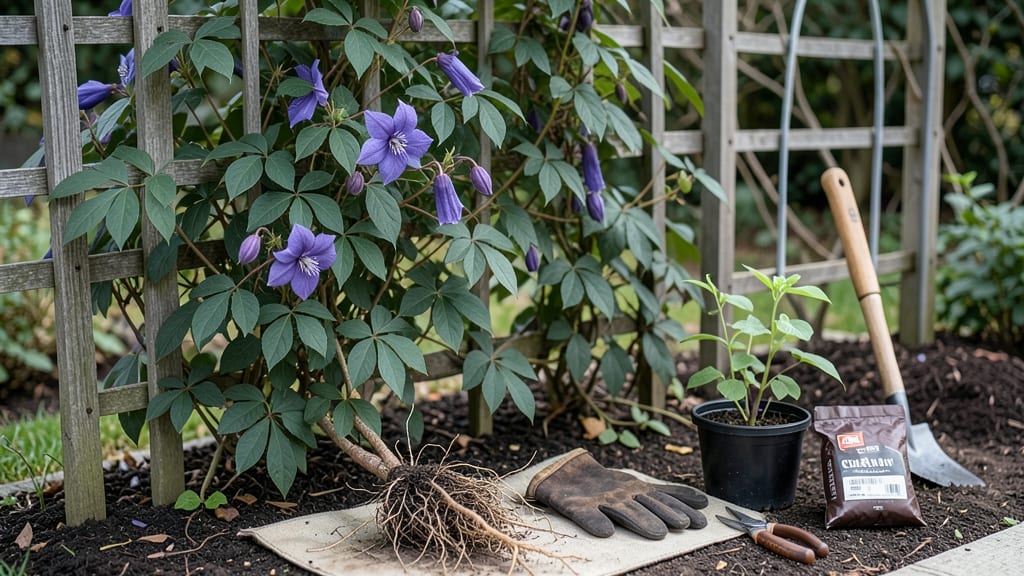
Planting clematis in Ohio at the wrong time can mean weak roots and fewer blooms—so timing is everything for your 🌸 clematis to thrive in USDA Zone 6a. The key is planting when soil temperatures hover between 40-60°F, giving young vines the best shot at establishing strong roots before winter or summer stress sets in.
You’ve got two prime windows: early spring (March-April) when frost danger fades, or early fall (September-October) when temperatures cool but before the ground freezes. Ohio’s variable climate makes this choice critical—too early, and frost can damage tender roots; too late, and the plant won’t anchor before winter.
I’ll break down exactly how to time your planting for Ohio’s unique conditions, including soil prep tips and how to protect your clematis from our unpredictable spring weather.
Whether you’re a first-time gardener or a seasoned pro, these insights will help you avoid common mistakes and set your vines up for a stunning display.
Ready to get started? Let’s dive into the best strategies for planting clematis in Ohio—and how to give your plants the head start they need for years of vibrant blooms.
Best planting windows for Ohio clematis: spring vs. fall timing explained
Ohio gardeners know that timing is everything when planting clematis vines. These woody perennials need 6-8 weeks to establish roots before winter arrives.
In USDA Zones 5-6, your best bets are early spring (March-April) or early fall (September-October), but the devil’s in the details—soil temperature, frost dates, and microclimates all play a role.
Northern Ohio’s Zone 5b (e.g., Cleveland, Toledo) has shorter growing seasons than southern Ohio’s Zone 6a (e.g., Cincinnati, Columbus). This means fall planting in the north must happen earlier than in the south. Let’s break down the ideal windows and what to watch for in your specific region.
Soil temperature is your best indicator—aim for 40-60°F at 6 inches deep. In spring, this typically aligns with after the last frost (usually mid-April in most of Ohio). In fall, plant 4-6 weeks before the first hard frost (often early October in the north, mid-October in the south).
| Planting Window | Ideal Months | Soil Temp Threshold | Northern Ohio (Zone 5b) | Southern Ohio (Zone 6a) |
|---|---|---|---|---|
| Spring Planting | March-April | 40-60°F (6" deep) | Late March-early April | Mid-March-April |
| Fall Planting | September-October | 40-60°F (6" deep) | Early September-early October | Late September-mid October |
| Avoid Planting | November-February | Below 40°F or above 70°F | Risk of frost damage | Limited root establishment |
| Key Microclimate Tip | Adjust 1-2 weeks | Check local frost dates | Urban areas warm faster | Rural areas cool sooner |
Spring planting gives clematis vines the entire growing season to establish roots before winter. Start in late March once soil temperatures rise above 40°F. In southern Ohio, you can push it to mid-April, but in northern Ohio, wait until early April to avoid late frost risks.
Mulch heavily after planting to protect young roots.
Fall planting is my personal favorite for Ohio gardeners because it reduces transplant shock and gives vines a head start. Plant in September when soil is still warm but nights are cooling.
In Zone 5b, aim for early September—by mid-October, roots should be well-established to handle winter. Water deeply before the first frost to harden off the plant.
Microclimates in Ohio can shift planting windows by 1-3 weeks. Urban areas like Columbus or Cincinnati often stay warmer longer, while rural spots near Lake Erie cool faster. Check your local frost-free dates (available from Old Farmer’s Almanac) and adjust accordingly. For example, if your yard sits in a frost pocket, plant 2 weeks earlier in fall.
One common mistake is planting too late in spring or too early in fall. If you miss the window, you can still plant in May (spring) or August (fall), but expect slower establishment.
In these cases, use row covers in spring or extra mulch in fall to protect young plants. Always water deeply after planting to encourage root growth into the surrounding soil.
For container-grown clematis, timing is slightly more flexible. You can plant
Signs your Ohio soil is ready for clematis planting (and what to do if it’s not)
Before you dig in, check your Ohio soil for three key signs that it’s ready for clematis planting. First, the ground should be workable but not soggy—you should be able to squeeze a handful of soil and see it crumble when released.
Second, soil temperature at 6 inches deep should reach 50-60°F, which typically happens in late March to early April for spring planting.
Third, look for natural indicators like daffodil blooms or crocus flowers, which signal that frost danger has passed. In Ohio’s Zone 5-6, these blooms usually appear by mid-April, giving you a green light to plant.
If your soil feels cold or still holds frost, wait another 1-2 weeks—rushing can stunt root growth.
⚠️ callout-warning
If your soil temperature is below 40°F, clematis roots won’t establish properly. Use a soil thermometer to check—planting in cold soil can lead to rot or frost damage. For spring planting, wait until after the last frost (usually mid-April in Ohio). In fall, plant 4-6 weeks before the first frost to avoid winter stress.
Quick Fix: If soil is too cold, add compost or mulch to warm it faster. For late planting, use row covers to protect young vines.
If your soil is too heavy or clay-like, clematis roots may suffocate. Test drainage by digging a 6-inch hole, filling it with water, and timing how long it takes to drain. If it takes more than 2 hours, amend with sand or perlite to improve aeration.
Aim for well-draining soil with a pH between 6.0-7.0—Ohio’s native clay often needs organic matter like compost or aged manure.
For acidic soil (pH below 6.0), mix in lime to raise pH gradually. If your soil is sandy or rocky, add peat moss or coconut coir to retain moisture.
I recommend double-digging the planting hole—loosen soil 12 inches deep and wide to encourage root spread. This extra effort pays off with stronger vines and more blooms.
If conditions aren’t ideal, you can still plant by extending the window. For late spring planting (May), use black plastic mulch to warm the soil faster. For early fall planting (August), protect young plants with burlap wraps to shield them from late-summer heat.
Always water deeply after planting to help roots establish in less-than-perfect conditions.
Remember, clematis thrives with patience. Even if you miss the perfect window, your vines can still grow—just give them extra care during their first year. With the right soil prep and timing, your clematis will reward you with stunning blooms for years to come. 🌸