
Plants
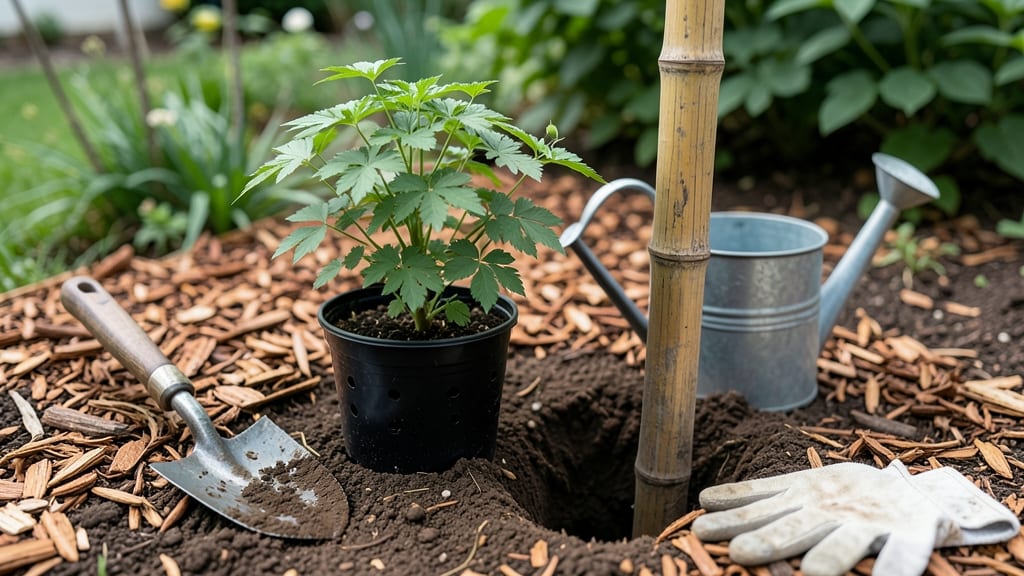
Planting clematis at the wrong time in Indiana can mean the difference between a vibrant, blooming vine and a struggling plant that never quite thrives. With Zone 6a frost dates that shift yearly, timing your clematis 🌸 planting becomes the key to survival—and future seasons of stunning flowers.
Most gardeners assume spring is the only option, but fall planting actually gives clematis roots a head start before winter. I’ve learned the hard way that Indiana’s unpredictable weather demands flexibility—whether you’re working with bare-root plants or container-grown vines.
This guide breaks down the ideal planting windows for your region, including how to adjust for early frosts or urban heat islands. You’ll discover when to prep your soil, how deep to bury those roots, and why some years favor fall over spring.
Ready to set your clematis up for success? Let’s get those vines growing strong—no guesswork involved.
Optimal planting windows for clematis in Indiana’s USDA Zone 6 climate
Indiana’s USDA Zone 6 climate offers two prime windows for planting clematis: early spring and early fall. The key is timing when soil temperatures hover between 40°F and 60°F, allowing roots to establish without frost damage.
Northern Indiana’s shorter growing season demands extra precision, while southern regions offer slightly more flexibility.
For bare-root clematis, aim to plant between March 15 and April 15 in spring, once the ground thaws but before buds swell. Fall planting works best from September 15 to October 15, giving roots time to anchor before winter dormancy.
Urban heat islands in cities like Indianapolis may extend your window by 1-2 weeks due to warmer microclimates.
Here’s a quick reference for Indiana’s planting zones, adjusted for local frost patterns:
| Planting Window | Soil Temp | Frost Risk | Indiana Adjustment |
|---|---|---|---|
| Early Spring (March 15–April 15) | 40°F–50°F | Moderate (late frosts possible) | Northern IN: Wait until April 1; Southern IN: March 20 |
| Early Fall (Sept 15–Oct 15) | 50°F–60°F | Low (roots harden before frost) | Urban areas: Extend to Oct 20; Rural: Stick to Oct 10 |
| Late Spring (April 16–May 10) | 50°F–60°F | High (new growth vulnerable) | Avoid unless using frost cloth |
Spring planting gives clematis a head start for summer blooms, but fall planting often yields stronger root systems by winter.
In Indiana’s Zone 6a, where average first frosts hit October 15, fall-planted clematis have 6–8 weeks to establish roots before dormancy—a critical advantage for cold-hardy varieties like Clematis montana or Clematis viticella.
Adjust your timing if you’re in northern Indiana (e.g., Fort Wayne). Plant 2 weeks later than southern regions (e.g., Evansville) to avoid frost damage. Use a soil thermometer to confirm temperatures—roots won’t grow well below 45°F.
For container-grown clematis, you can plant 1–2 weeks earlier since roots are less sensitive to cold.
Urban gardeners in Indianapolis or Bloomington may face heat island effects, where pavement raises soil temps by 5–10°F. Test your soil with a thermometer before planting; if it’s above 65°F, wait until evening to plant and water deeply to cool roots.
Mulch with 3–4 inches of shredded bark to stabilize soil temps and retain moisture.
If you miss the ideal window, don’t panic. Clematis planted in late spring (May) can still thrive, but expect delayed blooms that year. For a guaranteed first-year bloom, prioritize fall planting—just ensure your clematis is 6–8 inches deep with the crown 2–3 inches below soil level.
This depth protects against freeze-thaw cycles common in Indiana winters.
Pro tip: Mark your planting dates on a garden calendar and note the year’s first frost date. Over time, you’ll refine your timing to match your local microclimate. For example, gardens near Lake Michigan (e.g., Gary) may have 10–14 days later last frosts than inland areas.
Remember, clematis roots are sensitive to both heat and cold. In hot, dry Indiana summers, prioritize morning watering and drip irrigation to keep roots cool. A well-timed planting in Zone 6 sets the stage for decades of vibrant blooms—just follow the soil’s cues! 🌸
How to prepare clematis for Indiana’s unpredictable spring weather
Indiana’s spring weather can be a clematis gardener’s worst nightmare—one day it’s 60°F and sunny, the next a 28°F frost warning. The key to success is preparing your plants for these swings, especially when planting in early spring (March-April) or transitioning from containers.
I’ve seen clematis vines thrive in my Zone 6a garden by following these proven steps.
Your first priority should be hardening off container-grown clematis before planting. If you bought them in pots, place them outdoors in partial shade for a week, gradually increasing their sun exposure.
This mimics Indiana’s variable spring temperatures and prevents shock when transplanted. For bare-root plants, soak the roots in lukewarm water for 2-3 hours before planting to rehydrate them.
Indiana’s late spring frosts (which can hit as late as May 10 in northern areas) demand extra protection. Choose a south-facing location with a windbreak, like a fence or shrub row, to shield tender new growth.
If frost threatens after planting, cover young vines with frost cloth or even old bedsheets secured with bricks or stakes—I’ve saved multiple clematis this way!
⚠️ Critical Warning: Indiana’s Soil Moisture Trap
Indiana’s clay-heavy soils and unpredictable spring rains create a perfect storm for root rot. Clematis hate soggy roots—plant in well-amended soil with organic matter (compost or aged manure) to improve drainage. If your garden sits in a low spot, consider raising the bed 6-12 inches or planting on a mound to prevent waterlogging.
Pro Tip: Mix perlite or sand into the planting hole to further enhance drainage.
Once planted, mulch heavily around the base (but not touching the crown) with 3-4 inches of straw or shredded leaves. This insulates roots from temperature swings and retains moisture during Indiana’s dry spring spells.
I’ve found that black plastic mulch also works well—it warms the soil faster in spring and suppresses weeds, though it requires careful installation to avoid burning tender roots.
Don’t overlook the sunlight balance: Clematis need 6+ hours of sun daily, but Indiana’s intense afternoon sun can scorch young leaves. A morning sun/afternoon shade spot (like near a trellis with dappled shade) is ideal.
If your garden is fully exposed, provide afternoon shade with a temporary shade cloth until the vines establish.
Finally, water deeply but infrequently—clematis roots need to grow 6-12 inches deep for stability. Aim for 1-1.5 gallons per plant weekly, delivered at the base of the plant (not the leaves) to prevent fungal issues.
In my garden, I use drip irrigation on a timer to ensure consistent moisture without overwatering.
With these steps, your clematis will weather Indiana’s spring chaos and reward you with vibrant blooms by summer. The key is preparation—don’t wait until the last frost date to act! 🌿