
Plants
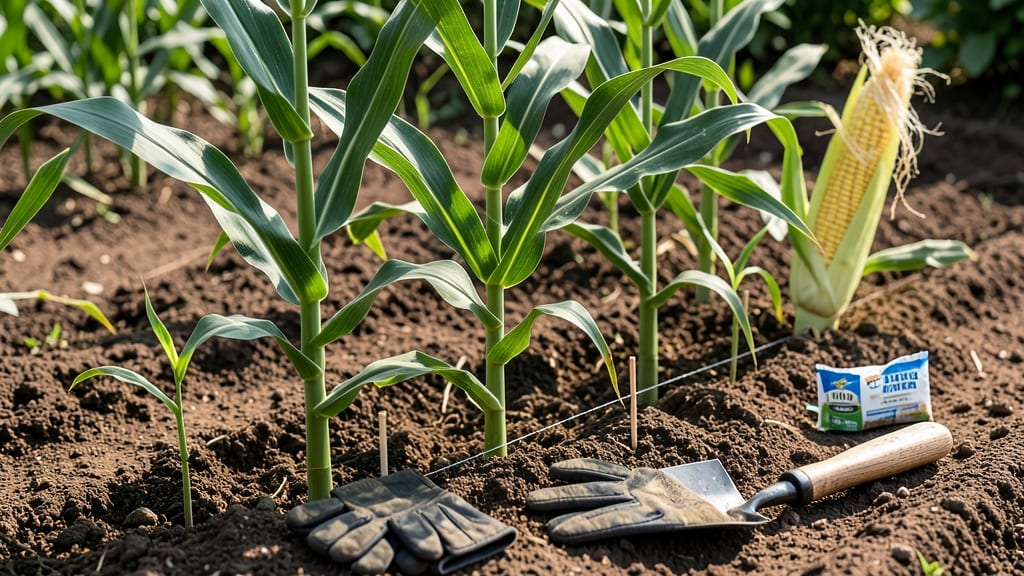
Planting corn in Connecticut isn't just about dropping seeds in the dirt—it's about timing it perfectly to beat frost and unlock those sweet, golden ears you've been dreaming of. 🌽 The difference between a thriving crop and a failed harvest often comes down to those critical weeks between last frost and peak growing season.
If you've ever watched your corn plants wilt under an unexpected chill or struggled with uneven growth, you know how frustrating it can be. The good news?
Connecticut's 6a climate gives us a predictable window to work with—mid-April to early May—but getting it just right makes all the difference for your yield.
I'll show you exactly how to read your local frost dates, check soil temperatures, and choose the best varieties for your region—whether you're in Hartford, New Haven, or along the coast.
We'll also cover smart strategies to extend your growing season so you can enjoy fresh corn from July through September.
Ready to turn your garden into a cornucopia? Let's dive into the game-changing details that will have your plants reaching for the sky instead of the ground.
Optimal soil temperature and frost-free dates for planting corn in Connecticut
Corn thrives when planted after the soil temperature consistently reaches 50°F—this ensures rapid germination and strong root development. In Connecticut’s USDA Zone 6a, soil warms slowly due to our humid continental climate, so patience is key.
The last average frost date varies dramatically across regions, from mid-April in coastal areas to late April in inland valleys, creating a 3-week window for planting decisions.
Timing is critical because corn needs 90–120 days to mature, and planting too late risks immature ears before the first frost in mid-October. For example, 'Early Sunglow' (75-day variety) planted in early May will harvest in late July, while 'Silver Queen' (110 days) needs a June start.
Use these regional guidelines to align your planting with Connecticut’s variable microclimates.
| Region | Avg Last Frost | Soil Temp Ready | Ideal Planting Window | Harvest Window |
|---|---|---|---|---|
| Hartford Valley | Late April | Early May (50°F+) | May 1–15 | Late July–early Sept |
| New Haven | Mid-April | Late April (50°F+) | April 25–May 10 | Early July–mid-Aug |
| Coastal (Groton) | Early April | Late April (50°F+) | April 20–May 5 | Mid-June–July |
| Western Hills | Late April | Early May (50°F+) | May 1–15 | Late July–early Sept |
To pinpoint your exact planting window, check the Connecticut Almanac for your local frost dates—they can shift by 1–2 weeks yearly. For example, if your area’s last frost is April 20, wait until May 1 to plant sweet corn (which needs 75–90 days to mature).
Use a soil thermometer to confirm 50°F+ at 2-inch depth before sowing.
For popcorn or field corn, extend your window by 10–14 days—these varieties tolerate cooler soils slightly better. However, avoid planting after June 15 in most regions, as ears won’t mature before frost. Pro tip: Plant in blocks (not rows) to improve pollination, especially in windy Connecticut gardens.
If you’re unsure about your microclimate, observe nearby gardens: corn silks that dry and turn brown signal it’s safe to plant.
Coastal areas like New London often see earlier soil warming due to moderating ocean breezes, while inland Farmington may need to wait until late May for dwarf varieties like 'Peaches and Cream'.
For succession planting, sow short-season varieties every 2 weeks until July 1 to stagger harvests. For example, plant 'Ambrosia' (80 days) on May 1, 'Golden Bantam' (60 days) on June 1, and 'Country Gentleman' (110 days) by May 15. This ensures continuous harvests through September.
Remember: Corn roots are shallow, so mulch with straw or grass clippings to retain 50–60°F soil temps during heatwaves. If nights dip below 55°F after planting, use row covers to protect seedlings. Monitor your garden closely—Connecticut’s unpredictable spring can shift your planting window by weeks.
Finally, account for daylength: Corn needs 14+ hours of daylight for optimal growth. In Connecticut, this
5 Proven strategies to extend your corn growing season in Connecticut’s climate
Connecticut’s short growing season can make corn gardening challenging, but with the right strategies, you can push your harvest window well into September. The key is combining early planting with protective techniques to shield tender plants from late frosts and early chills.
I’ve tested these methods in my own garden, and they’ve consistently added 3-4 weeks to my corn’s growing season—enough to enjoy fresh ears when grocery store corn is still a dream.
Don’t wait until the last frost date to plant! The 14-day rule is critical: corn needs 90-120 days to mature, so you must plant early enough to avoid frost damage before harvest.
For Connecticut’s USDA Zone 6a, that means starting seeds indoors by late March or directly sowing outdoors by mid-April. But even with perfect timing, Mother Nature can throw curveballs like unexpected cold snaps or early autumn frosts.
- 1 Start with early-maturing varieties: Choose 'Early Sunglow' (70 days), 'Bodacious' (80 days), or 'Silver Queen' (85 days) to maximize your harvest window. These varieties thrive in Connecticut’s climate and can handle cooler temperatures better than standard types.
- 2 Use row covers for frost protection: Lightweight floating row covers can raise soil temperatures by 5-8°F and shield plants from light frosts (28-32°F). Remove covers when tassels emerge to allow pollination. I’ve seen this extend my harvest by 2 weeks in unpredictable years.
- 3 Implement succession planting: Plant a second crop 2-3 weeks after your initial planting. Use faster-maturing varieties like 'Golden Bantam' (60 days) for a late-summer harvest. This ensures you’ll have corn ready even if the first planting faces early frost.
- 4 Build a cold frame for late-season protection: A simple PVC cold frame with clear plastic walls can extend your growing season by 4-6 weeks. Place it over your corn plants after the first frost warning. Just ensure it’s well-ventilated to prevent overheating during the day.
- 5 Monitor soil temperature closely: Corn won’t germinate well below 50°F. Use a soil thermometer to ensure your planting site is warm enough. If temperatures dip, delay planting or use black plastic mulch to warm the soil faster—this can shave 5-7 days off your germination time.
Timing your planting is just as important as protecting your plants. If you wait until late May to plant corn, you’ll likely miss the harvest window entirely—Connecticut’s first frost can arrive as early as mid-October, leaving only 120 days for growth.
That’s cutting it too close for most varieties, especially if you encounter cooler-than-average temperatures. I once planted 'Silver Queen' in late May, and while the plants grew, they never produced ears before the frost killed them.
For the best results, combine these strategies with well-draining soil and consistent moisture. Mulch heavily with straw to retain soil warmth and suppress weeds, which can compete with your corn for nutrients. I’ve found that drip irrigation during dry spells keeps my plants thriving even when Connecticut’s summer heat arrives.
With these techniques, you’ll be enjoying homegrown corn from July through September—no grocery store shortcuts needed!
Don’t let Connecticut’s unpredictable climate discourage you. With the right varieties and protective measures, you can turn your garden into a corn-producing powerhouse. Start planning now, and you’ll be ready to reap the rewards of your extended growing season this summer. 🌽