
Plants
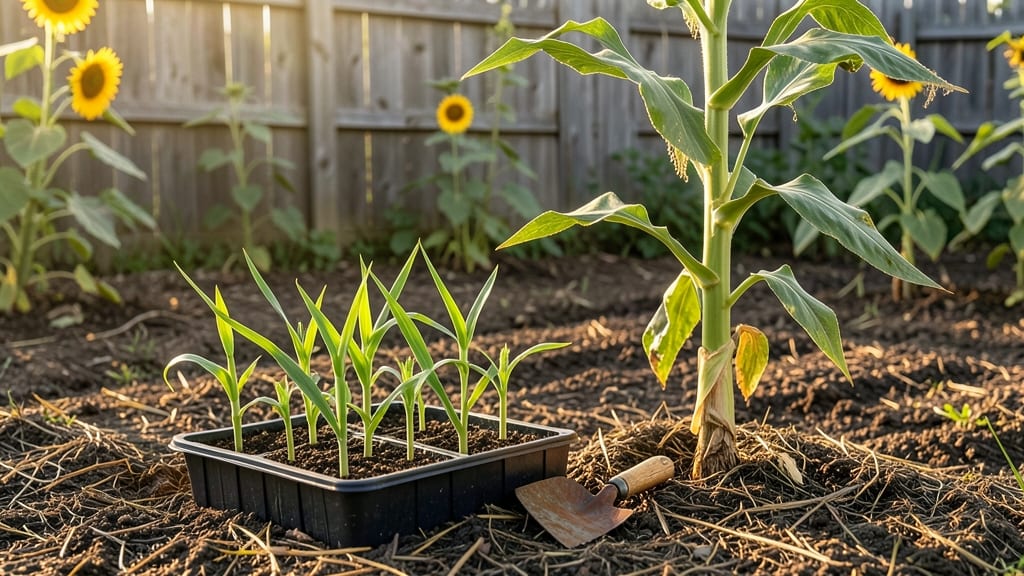
Planting corn in Georgia at the wrong time can mean the difference between a bumper crop of juicy 🌽 ears and a sad, frost-nibbled disappointment.
The key to success lies in understanding your local heat zone—whether you're in the humid Coastal Plain or the cooler Blue Ridge Mountains—because those 10-degree temperature shifts dramatically change your frost-free window.
Most Georgia gardeners know corn thrives in warm soil, but what they don’t realize is that planting too early—even just a few weeks before the last frost—can stunt growth or invite disease.
The ideal window opens when soil temperatures consistently hit 60°F, which typically lands between mid-April and late June for zones 7b-8b.
In this guide, I’ll break down the exact planting dates by county, including how to adjust for microclimates where spring frosts linger or summer heat arrives early. You’ll also learn how to choose varieties that match your timeline, from quick-maturing sweet corn to slower-growing field corn.
Skip the guesswork—by the end, you’ll know exactly when to drop those seeds for a harvest that’ll have your neighbors begging for recipes. Let’s get your corn calendar locked in.
Georgia corn planting dates by heat Zone and county
Georgia’s diverse climate—from the Coastal Plain to the Blue Ridge Mountains—creates unique frost-free windows for planting sweet corn. The state spans heat zones 3-9, meaning your planting schedule should align with your county’s last frost date and soil temperature.
Early varieties thrive in cooler zones, while late-season corn needs Georgia’s longest growing season to mature.
To maximize yields, aim to plant when soil temperatures reach 60°F and at least 2 weeks after the average last frost. Coastal areas like Savannah can start as early as mid-March, while North Georgia counties like Dahlonega should wait until late April to avoid frost damage.
Let’s break down the best planting windows by zone and county.
For North Georgia (zones 3-5), focus on early-maturing varieties like ‘Silver Queen’ or ‘Golden Bantam’, which can go from seed to harvest in 60-75 days. These varieties thrive in cooler temperatures and avoid the late-spring frosts that plague the region.
Plant in late April for a July harvest before summer heat sets in.
In Central and South Georgia (zones 6-9), you can extend your planting window with mid- and late-season varieties. ‘Peaches and Cream’ (85 days) and ‘Ambrosia’ (90 days) are excellent choices for May and June plantings, ensuring a fall harvest when temperatures remain mild.
Coastal areas like Savannah can even squeeze in a second planting in July for a late-October harvest.
Use a soil thermometer to confirm readiness—corn seeds won’t germinate below 50°F, and growth slows dramatically below 60°F. In zone 3, where frost lingers until mid-April, opt for cold-hardy varieties like ‘Early Sunglow’
How to adjust corn planting for Georgia’s microclimates
Georgia’s diverse landscapes—from the steamy Coastal Plain to the cooler Blue Ridge Mountains—create microclimates that shift planting windows by weeks. What works in Brunswick County (Zone 8b) might fail in Fannin County (Zone 7a) if you don’t account for elevation and local weather quirks.
The key is soil temperature, not just air temperature, since corn roots need consistent warmth (60°F+) to germinate properly.
For example, my North Georgia garden sits at 2,000 feet elevation, where spring frosts linger until mid-April. Meanwhile, my friend in Savannah (Zone 8a) plants by early March—same crop, totally different timing.
Without adjustments, you risk stunted seedlings or bolting (when plants flower too early). Here’s how to fine-tune your schedule based on real-world conditions.
If you plant corn in North Georgia (Zones 7a-7b) before soil hits 60°F, seedlings will rot in cold, wet soil. Use a soil thermometer (not air temp!) to confirm readiness. For elevations above 1,500 feet, wait until May 1-15 for early varieties or June 1-15 for standard types.
Pro Tip: Check the NOAA Frost Risk Tool for your county—it shows 10-year frost patterns to avoid surprises.
Start by testing your soil temperature for 3 consecutive days. A $15 soil thermometer (like the Thermopro TP11) gives precise readings. In Zone 8a (e.g., Macon), aim for April 15-30 for early corn; in Zone 7b (e.g., Athens), wait until May 1-15.
If your garden sits in a low-lying area, frost risk increases—plant 2 weeks later than your county’s average.
For high-elevation gardens (1,500+ feet), like those in Dahlonega or Blairsville, extend your growing season with black plastic mulch. Lay it down 2 weeks before planting to warm soil by 5-10°F.
Pair this with row covers for early protection. I’ve seen 30-day earlier harvests using this combo in my Blue Ridge garden—worth the extra effort!
Don’t forget summer planting for late varieties! In South Georgia (Zones 8a-8b), you can sow succession crops in July for a fall harvest. Choose short-season varieties (60-70 days) like ‘Silver Queen’ or ‘Peaches and Cream’ to beat the first frost (Nov 15).
Just ensure 90+ days remain in your frost-free window.
Use these three rules to adjust planting: 1. Add 1 week per 500 feet elevation gain (e.g., 2,000 ft = +4 weeks later). 2. Delay 10 days if your garden has poor drainage or shade.
3. Plant 2 weeks earlier in urban heat islands (paved areas trap heat). Track your results with a gardening journal—note when silks appear and kernel development slows due to heat stress.
With these tweaks, you’ll avoid common mistakes like uneven germination or bolting and enjoy consistent harvests across Georgia’s varied climates. Happy planting—your corn patch will thank you!