
Plants
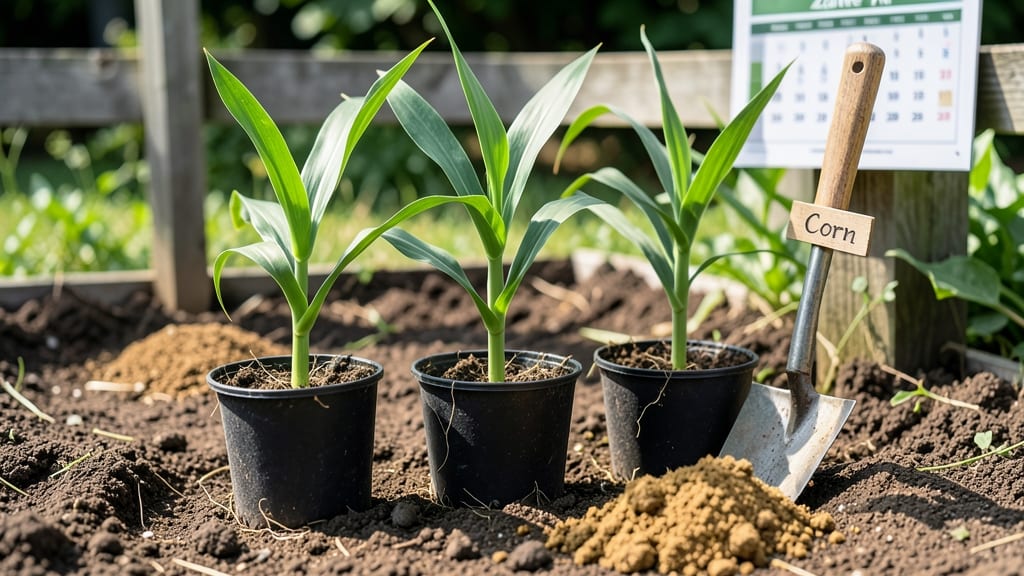
Timing your corn planting in Zone 7A can make or break your harvest—get it right, and you’ll enjoy sweet, plump 🌽 ears by summer, but one wrong move risks frost-nipped seedlings or stunted growth.
Most gardeners in 7a wait until mid-April to early June, but the real secret isn’t just the calendar—it’s the soil temperature. Corn needs warmth to germinate, so planting too early (when soil is still chilly) can leave your seeds sitting in the dirt for weeks, waiting for conditions to improve.
In this guide, I’ll walk you through the exact timing you need, from checking soil temps to calculating frost-free windows. You’ll also learn how to adjust for your local microclimate and avoid common mistakes that waste seeds and effort.
Whether you’re a first-time gardener or a seasoned pro, these insights will help you plant corn with confidence—so you can enjoy a bountiful harvest from July through September.
Optimal planting dates for corn in zone 7A based on soil temperature
Corn thrives when planted after the last frost and when soil temperatures consistently stay above 50°F, but germination won’t happen until the soil reaches 70°F+.
In Zone 7A, this typically means waiting until mid-April to early June, but your exact timing depends on your local microclimate and soil conditions. Planting too early risks frost damage, while waiting too long may shorten your harvest window.
Most gardeners in Zone 7A use the April 15 average last-frost date as a starting point, but I recommend adding 2-3 weeks of buffer time to ensure seedlings aren’t caught by late frosts.
For example, if your area typically sees a last frost on April 10, aim for planting around May 1 to be safe.
Soil temperature is more critical than air temperature—corn seeds won’t sprout until the soil warms to 60°F or higher. Use a soil thermometer to check depths of 1-2 inches, where seeds are planted. If your soil is still below 50°F, wait another week or two before sowing.
Here’s a quick reference for Zone 7A planting windows based on soil conditions and frost risk:
If you’re in a cooler microclimate within Zone 7A (like higher elevations or shaded areas), push planting back to early May to ensure soil warmth. Conversely, if you’re in a warmer pocket (e.g., near urban heat islands), you might start as early as late April—just monitor soil temps closely.
For succession planting, sow a second batch in early June if your growing season extends past September 1. This ensures a continuous harvest through early fall. Just be sure to choose short-season varieties (70–80 days to maturity) for these later plantings.
Pro tip: Plant corn in blocks, not rows, to ensure cross-pollination. A 4x4 ft block with 4–6 plants is ideal for home gardens. Space seeds 1 inch deep and 1 inch apart, then thin seedlings to 12 inches apart once they’re 3–4 inches tall.
Corn is sensitive to cold snaps even after germination, so always have row covers or cloches on hand for unexpected late frosts. If temperatures dip below 32°F after seedlings emerge, protect them immediately to avoid stunted growth.
Finally, remember that soil moisture matters just as much as temperature. Corn needs consistent watering (1–2 inches per week) to avoid stress, especially during tasseling and silking (when pollen transfers to the ears). Mulch with straw or grass clippings to retain moisture and regulate soil temperature.
With these timing tips, you’ll maximize your corn’s potential in Zone 7A—leading to plump, sweet ears from July through September. Happy planting! 🌽
5 Critical mistakes to avoid when planting corn in zone 7A
Planting corn in Zone 7A seems straightforward, but even experienced gardeners make costly mistakes that lead to poor germination, stunted growth, or wasted seeds. The most common error?
Planting too early when soil temperatures are still too cool—corn seeds need warmth to sprout, and cold soil can leave them sitting dormant for weeks.
Another frequent misstep is ignoring soil moisture levels. Corn requires consistent watering, especially during critical growth stages like tasseling and silking. Skipping this can result in poor pollination and fewer ears. Let’s dive into the top five mistakes and how to avoid them for a thriving corn crop.
- 1 Planting too early when soil temps are below 60°F—seeds rot or fail to germinate. Wait until soil reaches 70°F+ for reliable sprouting.
- 2 Overcrowding seeds—plant 1 inch apart initially, then thin to 12 inches apart. Crowded plants compete for nutrients, leading to weak stalks and fewer ears.
- 3 Ignoring succession planting—sow a second batch in early June for a fall harvest. This extends your growing season and maximizes yield.
- 4 Skipping companion planting—pair corn with beans or squash to improve soil nitrogen and deter pests. Avoid planting near tomatoes, which compete for nutrients.
- 5 Neglecting clay-heavy soils—amend with compost or sand to improve drainage. Corn roots need oxygen to grow strong, and compacted soil stunts development.
One of the biggest mistakes I see is gardeners rushing to plant corn as soon as the last frost date passes. Soil temperature is far more important than air temperature—corn seeds won’t germinate until the soil reaches at least 60°F, and ideal conditions are 70°F+.
Use a soil thermometer to check before planting, especially in cooler microclimates like shaded areas or higher elevations.
Another overlooked issue is overcrowding. Many gardeners plant seeds too closely, thinking it will yield more ears. But crowded corn plants compete for sunlight, water, and nutrients, leading to weak stalks and poor ear development.
Instead, plant seeds 1 inch apart in rows spaced 30 inches apart, then thin seedlings to 12 inches apart once they’re 3–4 inches tall.
For Zone 7A’s shorter growing season, succession planting is a game-changer. Plant your first batch in mid-April to early May, then sow a second batch in early June for a fall harvest.
Choose short-season varieties (70–80 days to maturity) for these later plantings, like 'Silver Queen' or 'Peaches and Cream,' to ensure they mature before the first frost.
Don’t forget about companion planting—corn benefits from being planted near beans or squash, which improve soil health and deter pests. Beans fix nitrogen in the soil, while squash shades the ground, reducing weed growth.
Avoid planting corn near tomatoes or cabbage, as they compete for nutrients and attract similar pests.
If your soil is clay-heavy, take steps to improve drainage before planting. Amend the soil with compost or coarse sand to create a looser texture. Corn roots need oxygen to grow strong, and compacted soil can lead to stunted plants and poor yields.
A simple soil test can help you determine if amendments are needed.
By avoiding these common mistakes, you’ll set your corn crop up for success—leading to plump, sweet ears from July through September. Happy gardening! 🌽