
Planting
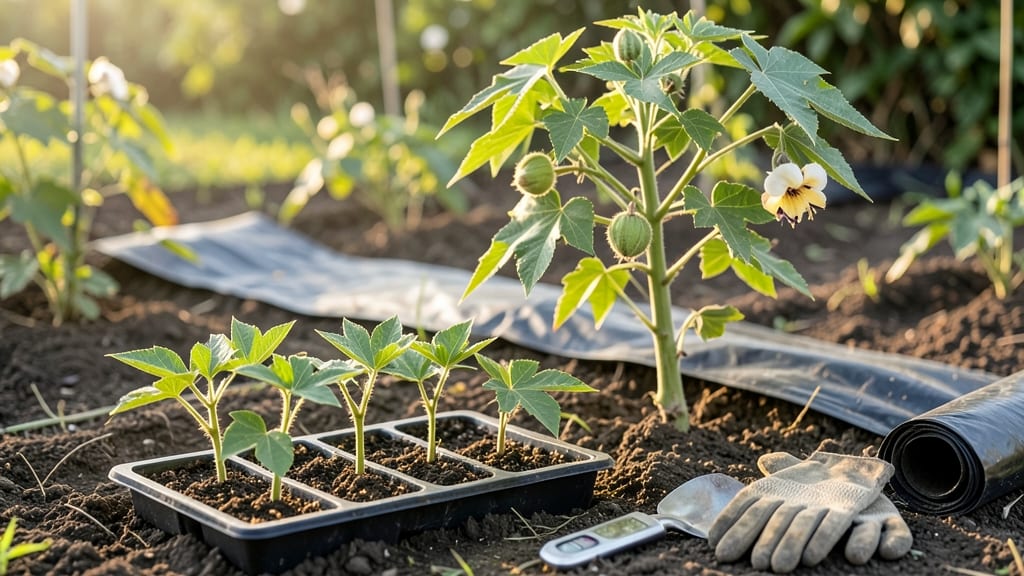
Planting cotton in Texas isn’t just about dropping seeds into the dirt—it’s about catching that perfect window between frost and scorching heat, or risk watching your crop fade before it even begins. 🧵 With 8a-10b zones offering wildly different climates, timing your cotton could mean the difference between a bountiful harvest and a wasted season.
Most Texas gardeners know cotton thrives in warmth, but the exact moment to plant varies wildly—from February in South Texas to May in North Texas. Get it wrong, and you’ll battle heat stress, poor germination, or even boll rot before harvest.
The key? Understanding your local frost dates, soil temps, and how to adjust for early versus late varieties.
In this guide, I’ll break down the exact planting deadlines for your heat zone, plus pro tips to extend your growing season. Whether you’re a backyard gardener or a small-scale farmer, these insights will help you maximize yields—without the guesswork.
Ready to turn your Texas soil into cotton gold? Let’s dive into the heat zone deadlines and strategies that’ll keep your crop thriving from seed to harvest.
Texas cotton planting deadlines by heat Zone (with exact dates)
Texas stretches across USDA hardiness zones 6 through 10, creating dramatic differences in cotton planting windows. In Zone 6 (North Texas), you’ll wait until late April to avoid frost damage, while Zone 10 (South Texas) gardeners can start as early as late January.
These deadlines aren’t just about avoiding frost—they’re about matching cotton’s 60°F soil temperature requirement and 120-day minimum growing season.
Cotton thrives in Texas’ heat but struggles with early planting in cooler zones or late planting in humid southern regions. The key is planting when soil stays consistently above 65°F for 2+ weeks.
For early varieties, aim for March 15 in North Texas; for late varieties, push to May 1 in South Texas. Missing these windows risks poor germination or boll rot from summer humidity.
📅 2024 Texas Cotton Planting Calendar by Zone:
In Zone 6, I’ve seen cotton planted too early rot in cold, wet soils. Always check soil temperature with a soil thermometer—wait until it hits 65°F for 3+ days.
For Zone 10, the real challenge is pest pressure from boll weevils, so rotate planting locations yearly. Pro tip: Use FM 966 for northern zones and Stoneville 2B for southern areas—they handle Texas’ extremes best.
Texas’ humidity variations also affect planting. In East Texas (Zone 8), high humidity after planting can lead to seedling diseases. I recommend using fungicide-treated seeds and avoiding overhead watering.
Meanwhile, West Texas (Zone 7) growers must watch for drought stress—mulching with straw helps retain moisture during the critical first 60 days of growth.
For container growing in urban areas (like Dallas or Houston), stick to smaller varieties and plant 2-3 weeks later than ground planting. Containers heat up faster, so monitor soil temps closely. I’ve had success with 5-gallon pots and black fabric containers to warm the soil quicker in cooler microclimates.
Don’t forget moon planting can help—sowing cotton during a waxing moon (when roots grow stronger) may improve germination. Pair this with biochar amendments to boost soil fertility in Texas’ often clay-heavy soils. These small adjustments can mean the difference between 50% and 90% germination rates in marginal zones.
If you’re in Transition Zones (
Signs your Texas cotton planting time is perfect (or too late)
Cotton thrives when planted during Texas's warmest soil temperatures—typically after the last frost but before summer's brutal heat. In North Texas, aim for March 15-30, while Gulf Coast growers can start as early as February 15.
The key is soil warmth, not just air temperature, since cold soil delays germination.
Look for consistent daytime highs above 65°F and nighttime lows above 55°F. Use a soil thermometer to confirm 60°F+ at 2-inch depth—this is your green light.
If your thermometer reads lower, wait another week. Early planting risks seed rot or stunted growth, while waiting too long may lead to heat stress before harvest.
🌱
📅 Perfect Planting Window Checklist
- Soil Temp: 60°F+ at 2" depth
- Air Temp: Daytime 65°F+, Nighttime 55°F+
- Rainfall: 1-2 inches in past 2 weeks
- Pest Activity: Low aphid/whitefly presence
- Frost Risk: Last frost date passed
💡 Pro Tip: Gulf Coast growers can plant 2-3 weeks earlier than North Texas due to milder winters.
Adjust your planting timeline based on your local microclimate. High Plains regions like Lubbock experience cooler nights and may need to wait until late April, while Houston’s humidity allows earlier starts.
Monitor rainfall patterns too—drought stress during germination is a common issue, so aim for 1-2 inches of rain in the two weeks before planting.
Watch for pest activity like aphids or whiteflies, which surge in early spring. If you spot them, delay planting until their populations decline. These pests weaken seedlings, and cotton’s first 30 days are critical for establishing strong roots.
Use a magnifying glass to check undersides of leaves—early detection saves your crop.
For late planting, consider heat-tolerant varieties like FM 966 or Stoneville 2B, which handle Texas summers better. But remember: every week after May 15 reduces yield potential. If you must plant late, prioritize drip irrigation and mulching to retain moisture and cool roots.
🌡️