
Plants
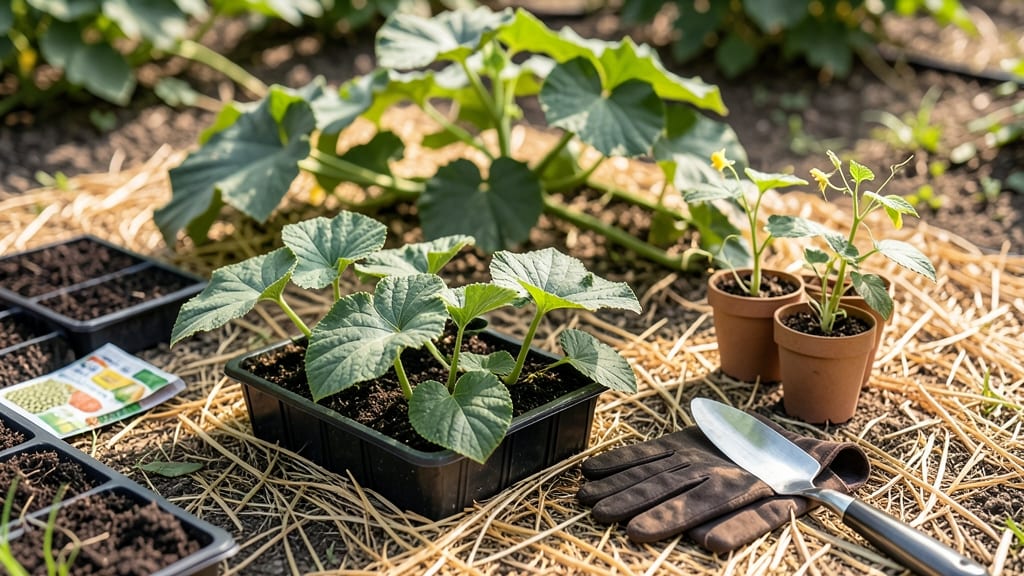
Planting cucumbers 🥒 in Northern California isn’t just about checking a calendar—it’s about mastering the perfect balance between soil warmth and frost-free windows that can shift dramatically from coastal to inland areas.
One wrong move, and your vines might bolt before producing a single fruit, or worse, get nipped by late frosts that sneak in even in USDA zones 8a-10a.
I’ve grown cucumbers in this region for years, and the key to success isn’t just timing—it’s understanding how microclimates play tricks on you.
Coastal areas like the Bay might be ready by early April, while inland valleys like Sacramento still need to wait until May when the soil finally hits that critical 60°F threshold. Get this wrong, and you’ll end up with stunted plants or bitter fruit.
What if you could double your harvest by planting at the right moments? The secret lies in knowing exactly when to start seeds indoors, when to transplant seedlings, and how to adjust for Northern California’s unpredictable weather.
Whether you’re in a frost-prone foothill or a heat-baked valley, I’ll walk you through the exact windows—and the tools—to ensure your cucumbers thrive from May to October (or even later in the fall).
Let’s cut through the guesswork so you can go from frustrated gardener to cucumber-growing pro in no time. Ready to unlock the full potential of your garden?
Northern California’s best planting windows for cucumbers by microclimate
Northern California’s diverse microclimates create unique challenges for growing cucumbers. Coastal areas like the San Francisco Bay Area enjoy milder winters, while inland valleys (Sacramento/San Joaquin) experience hotter summers and cooler nights.
Meanwhile, Sierra foothills face shorter growing seasons and later frost risks. Understanding these differences helps you time plantings for maximum success.
Cucumbers thrive when soil temperatures stay above 60°F consistently. In cooler zones like USDA 8a-9a, wait until after the last frost date—typically mid-April to early May. Warmer inland areas can start as early as mid-March, but soil warmth is the real deciding factor.
Let’s break down the best planting windows by region to avoid frost damage and ensure a bountiful harvest.
🌱
For coastal regions, where temperatures are moderated by the ocean, you can start cucumbers as early as April 1. The San Francisco Bay Area benefits from longer growing seasons, allowing for both spring and fall plantings.
Use row covers if late frosts threaten, as coastal nights can still dip below 40°F in early spring.
Inland valleys like the Sacramento and San Joaquin regions warm up faster in spring, making them ideal for early plantings starting mid-March.
However, the intense summer heat can stress cucumbers, so provide shade cloth during peak afternoons. Drip irrigation is a game-changer here to maintain consistent soil moisture without wetting leaves.
If you’re gardening in the Sierra foothills, delay planting until May 1 to avoid late frosts. These areas have shorter growing seasons, so opt for fast-maturing varieties like ‘Straight Eight’ or ‘Marketmore’, which produce harvests in 50-55 days.
Elevation plays a critical role—higher elevations may need black plastic mulch to warm the soil faster.
Fall plantings are possible in all regions if you act quickly. Start seeds indoors by July 15 and transplant outdoors by August 1 to ensure cucumbers mature before the first frost.
Coastal areas can extend harvests into November, while inland valleys may only yield until October. Always monitor 10-day forecasts for frost warnings.
Regardless of your microclimate, soil preparation is key. Amend your garden beds with compost and a balanced fertilizer (5-10-10) to provide phosphorus for root development.
Cucumbers are heavy feeders, so side-dress with compost every 4-6 weeks during the growing season. Mulch heavily to retain moisture and suppress weeds, which is especially important in the hot, dry summers of inland valleys.
Pro tip: Use a soil thermometer to confirm soil warmth before planting. Cucumbers won’t germinate well in cold soil, and even if they sprout, growth will be stunted.
Aim for 70°F+ for optimal germination and vigor. If your soil is still cool, consider using heat mats or planting in raised beds, which warm up faster.
🌿
How to test soil warmth and adjust planting for late frost risks
Testing soil warmth is the single most important step to avoid cucumber failures in Northern California’s cooler microclimates. I’ve seen firsthand how late frosts in April or May can wipe out seedlings overnight—especially in the Sacramento Valley or Sierra foothills.
The key is knowing when your soil hits that critical 60°F threshold where cucumbers can germinate and thrive without stress.
You might think your garden is ready just because the air feels warm, but soil stays cold for weeks longer. That’s why I always check soil temps for at least 3 consecutive days before planting.
A simple soil thermometer (just $10 at any garden center) gives you the real data you need to time your planting perfectly. Without this step, you’re basically gambling with your harvest.
Here’s the hard truth: Most Northern California gardeners get this wrong. They plant too early in coastal areas like the Bay, only to see their seedlings rot in 50°F soil. Or they wait too long in inland zones, missing the early spring window when cucumbers grow fastest.
The solution? Test your soil and adjust your planting date based on real data, not guesswork.
⚠️ callout-warningEven in USDA zones 8a-10a, late frosts can hit as late as May 15 in inland valleys. Here’s how to protect your plants:
- Use row covers until soil stays above 60°F for 5+ days
- Plant cold-hardy varieties like 'Straight Eight' or 'Marketmore' if frost risk lingers
- Start seeds indoors 3-4 weeks before last frost date in your zone
Pro Tip: Black plastic mulch raises soil temps by 5-10°F—perfect for extending your planting window in cooler areas.
If your soil isn’t warm enough, don’t panic—there are three proven solutions to extend your growing season. First, use seedling heat mats ($15-$20) under your seed trays to jumpstart germination in cool soil.
These keep roots cozy at 70-75°F even when daytime temps hover in the 50s. I’ve used them successfully in Sacramento’s Zone 9a to get seedlings ready for transplant by early May.
For outdoor planting, row covers are your best friend. These lightweight fabrics (like Reemay) raise soil temps by 3-5°F and protect against light frosts. Just drape them over your plants in the evening and remove them during the day for pollination.
Pair this with black plastic mulch, and you’ll create a microclimate that mimics summer conditions weeks earlier than usual.
Finally, choose cold-tolerant cucumber varieties like 'Northern Pickling' or 'Lemon Cucumber' that can handle 50°F soil temps for short periods. These varieties are bred to germinate faster in cool conditions, giving you a 10-14 day head start over standard types.
Combine this with your soil warmth testing, and you’ll have cucumbers climbing their trellises when most gardeners are still waiting for their seeds to sprout.