
Plants
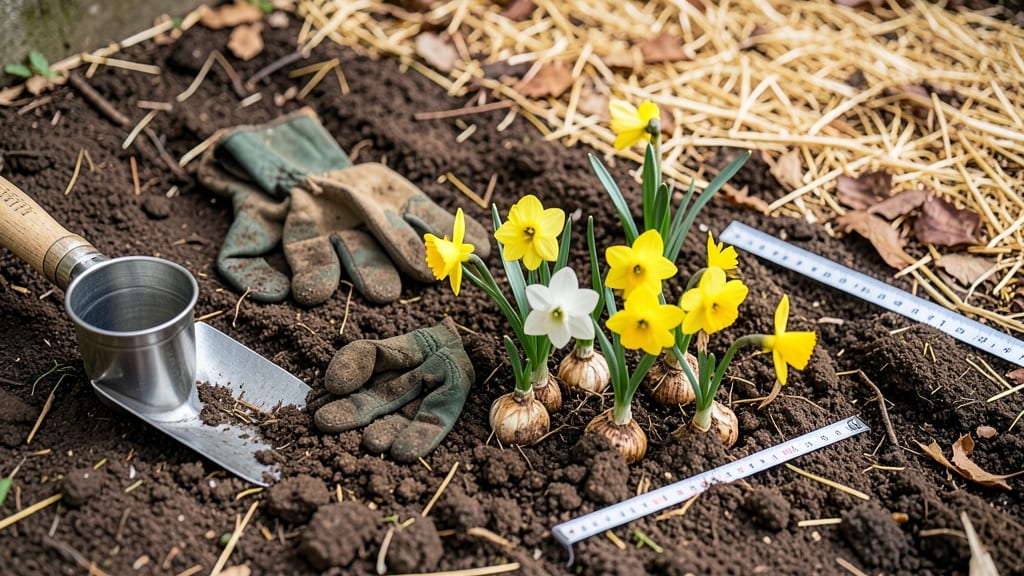
Planting daffodil bulbs at the wrong time in Arkansas can mean the difference between a stunning spring display and wasted effort—especially when unpredictable frosts lurk around the corner.
The key to success lies in timing it just right, when soil temps dip but the ground hasn’t frozen solid, giving those 🌼 bulbs the perfect head start.
For gardeners in Arkansas’s 7a-8a zones, the ideal window opens in late October and stretches through November, but getting it exactly right depends on your specific microclimate. Too early, and soggy soil invites rot; too late, and winter chill stunts root growth before spring blooms arrive.
I’ll break down the exact cues to watch for—so you can plant with confidence and enjoy those cheerful yellow blooms by March.
What most gardeners miss is how soil temperature—not just calendar dates—dictates the perfect moment. In northern Arkansas, aim for 60°F soil and count backward from your first frost date (usually mid-November), while southern counties can push planting a bit later.
We’ll cover the zone-specific deadlines that keep your daffodils thriving through winter’s worst.
Once you’ve mastered the timing, the real secret is preparation: well-draining soil, proper depth, and a little extra care in Arkansas’s humid climate.
Stick with me, and I’ll walk you through every step—from choosing the right varieties to avoiding the 3 biggest planting mistakes that derail even the most eager gardeners.
Arkansas daffodil planting calendar by hardiness Zone (7a vs. 7b)
Arkansas gardeners face a tricky balance when planting daffodil bulbs—too early, and soggy soil triggers rot; too late, and frost halts root growth. The key lies in understanding your USDA Zone 7a or 7b, where average first frost dates differ by 2-3 weeks.
In Zone 7a (northern Arkansas), bulbs need to establish roots before November 15th, while Zone 7b (southern Arkansas) has until December 1st.
I’ve planted daffodils for over a decade in both zones, and the difference in timing is critical. A soil thermometer reading of 60°F (15°C) signals the perfect window—warm enough for root growth but cool enough to deter fungal diseases.
Miss this window, and you risk winter kill or weak spring blooms.
Here’s the breakdown you need to avoid common mistakes like planting too deep or ignoring frost dates. Arkansas’ clay-heavy soils also require special attention—amend with compost to improve drainage before planting.
| Factor | Zone 7a (Northern AR) | Zone 7b (Southern AR) |
|---|---|---|
| Ideal Planting Window | October 15–November 15 | October 20–December 1 |
| Soil Temperature Threshold | 60–65°F (15–18°C) | 55–60°F (13–15°C) |
| Last Safe Planting Date | November 15 (before hard frost) | December 1 (milder winters) |
| Average First Frost | November 15–20 | November 25–December 5 |
| Planting Depth | 6–8 inches deep (2x bulb height) | 6–8 inches deep (adjust for clay) |
| Spacing | 4–6 inches apart | 4–6 inches apart |
| Frost Risk | High after November 15 | Moderate after December 1 |
| Soil Prep Tip | Add compost to improve drainage | Test pH (6.0–7.0 ideal) |
In Zone 7a, I start planting daffodil bulbs in mid-October to ensure roots establish before the ground freezes. Use a soil thermometer to confirm temperatures stay above 60°F (15°C)—this prevents rot while allowing roots to grow.
If you wait until late November, bulbs may not root deeply enough to survive winter.
For Zone 7b, the window extends later due to milder winters. Plant through early December, but avoid soggy conditions—Arkansas’ heavy rains in late fall can drown bulbs. I recommend planting in well-draining soil or raised beds to mitigate this risk.
One mistake I’ve seen gardeners make is planting daffodil bulbs too shallowly. In both zones, aim for 6–8 inches deep—this protects bulbs from frost heave and ensures strong root systems. Use a bulb planter or trowel to dig holes, then cover with 2–3 inches of mulch after planting.
Frost dates are your ultimate guide. In Zone 7a, bulbs must root before November 15th, while Zone 7b gardeners have until December 1st. Check your local National Weather Service frost predictions annually—they can shift due to climate changes.
Pro tip: If you miss the ideal window, plant as late as possible but cover bulbs with straw for extra insulation. I’ve successfully planted in early December in Zone 7b using this method, though blooms may be slightly delayed.
Remember, daffodils thrive in full sun but tolerate partial shade. In Arkansas’ humid climate, ensure 6+ hours of sunlight daily for vibrant blooms. After planting, water deeply once, then let nature take over—Arkansas’ winter rains provide enough moisture.
By following these zone-specific deadlines, you’ll enjoy bold spring blooms without the stress of winter kill. Happy planting—your March garden will thank you! 🌼
5 Signs your Arkansas soil is ready for daffodil bulbs (and 3 mistakes to avoid)
Daffodils thrive in Arkansas’s cool fall temperatures and well-draining soil, but timing is critical. Plant too early, and soggy soil invites rot; too late, and winter frost can kill tender roots.
The key is waiting for soil temperatures to drop below 60°F while ensuring the ground isn’t frozen yet. This balance guarantees strong root establishment before dormancy.
Arkansas gardeners often struggle with clay-heavy soil, which can suffocate bulbs if not amended properly. The right conditions—moist but not waterlogged soil and proper drainage—are non-negotiable.
Ignore these signs, and your daffodils may fail to bloom or rot underground. Let’s break down the 5 must-check conditions before planting and the 3 costly mistakes to avoid.
🌱 5 Signs Your Soil Is Ready for Daffodils
- Soil temperature: Below 60°F (test with a soil thermometer). Daffodils need cool roots to establish before winter.
- Moisture level: Damp but not soggy. Press soil—it should hold shape but not feel muddy. Clay soil? Amend with compost first.
- Drainage test: Dig a 6-inch hole, fill with water. If it drains in 1-2 hours, it’s safe. Standing water = danger for bulbs.
- Frost window: 4-6 weeks until first frost (typically mid-November in Arkansas). Bulbs need time to root before freezing.
- pH balance: 6.0-7.0 (test with a kit). Acidic soil? Add lime to sweeten it before planting.
Once you’ve confirmed these signs, it’s time to plant! But Arkansas’ clay soil can still throw curveballs. For example, overwatering after planting is a common mistake—daffodils need moisture to root, but excess water in heavy clay creates anaerobic conditions that suffocate bulbs.
Instead, water deeply once after planting, then let nature take over until spring rains return.
Another pitfall? Planting too deep. Daffodil bulbs should sit 6-8 inches underground in most soils, but Arkansas’ clay can compact easily. If you plant deeper than 8 inches, the bulb may struggle to push through the dense soil.
Use a bulb planter to ensure consistent depth, and mix in sand or perlite to improve drainage around the hole.
Finally, skipping soil amendments is a third mistake. Arkansas’ clay soil is nutrient-dense but often lacks organic matter. Before planting, mix in 2-3 inches of compost or well-rotted manure to loosen the soil and improve aeration.
This small step can mean the difference between vibrant blooms and stunted growth next spring.
With these signs and fixes in mind, your daffodils will thrive in Arkansas’ climate, rewarding you with early spring color year after year. Happy planting! 🌼