
Plants
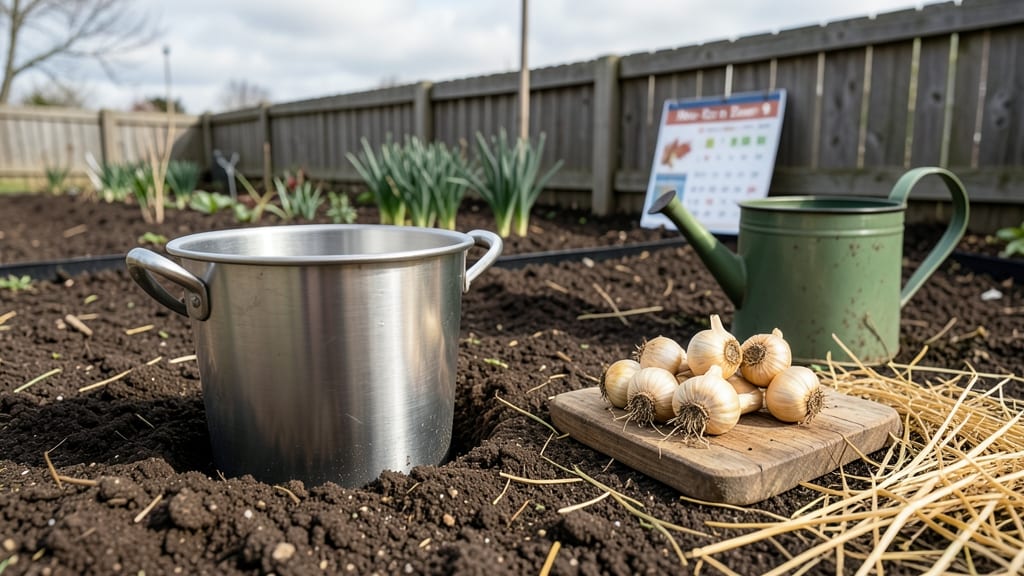
Planting daffodil bulbs in Zone 9’s mild winters can be tricky—get the timing wrong, and you risk rot or weak blooms. But with the right approach, you’ll enjoy vibrant 🌼 blooms every spring without frost-related stress.
The key is planting between November and January, when soil temperatures drop below 68°F—this gives roots time to establish before any rare winter chill.
Unlike colder zones, Zone 9 gardeners don’t need to worry about deep freezes, but daffodils still need a cool period to thrive. I’ve learned that planting too early in warm soil can lead to rot, while waiting too long might delay blooming.
The sweet spot? Aim for 4-6 weeks before the first frost—typically late November to early December in most of Zone 9.
This guide will walk you through the exact timing, soil prep, and placement tips to ensure your daffodils survive—and thrive—in Southern California, Phoenix, or Las Vegas climates. Whether you’re a beginner or a seasoned gardener, these secrets will help you avoid common mistakes and enjoy long-lasting spring color.
Ready to transform your garden? Let’s dive into the step-by-step process that’s worked for me—and thousands of other Zone 9 gardeners—year after year.
Ideal fall planting window for Zone 9 daffodils (with exact dates)
Zone 9 gardeners have a unique advantage with daffodils—they can plant later than most regions. Unlike colder zones, we don’t need to rush before frost. Instead, focus on soil temperature and the 4-6 week pre-freeze rule to ensure strong root growth before winter’s mild chill.
This timing prevents bulb rot while maximizing spring blooms.
The sweet spot for planting daffodil bulbs in Zone 9 is mid-November through early January. This window accounts for our 300+ frost-free days and ensures bulbs establish roots before any potential light frost. Coastal areas may adjust slightly earlier, while inland deserts can plant closer to December.
| Planting Window | Soil Temp Threshold | Microclimate Adjustments | Key Action |
|---|---|---|---|
| Mid-November | 68°F (20°C) | Coastal areas | Plant early to avoid winter rains |
| Late November | 60-65°F (15-18°C) | Inland deserts | Ideal timing for root growth |
| December | 55-60°F (13-15°C) | All Zone 9 | Last chance before mild winter chill |
| Early January | 50-55°F (10-13°C) | High elevation areas | Risk of frost—plant quickly |
For coastal Zone 9 gardeners (like Southern California), aim for late October to mid-November. These areas experience cooler, wetter winters, so planting earlier helps bulbs avoid excessive moisture that can lead to rot.
Use a soil thermometer to confirm temperatures have dropped below 68°F (20°C)—this signals it’s time to plant.
Inland desert regions (like Phoenix or Las Vegas) can plant later into December. The drier climate reduces rot risk, but bulbs still need 4-6 weeks of root growth before any potential frost.
If your area rarely drops below freezing, you can even plant in early January, but monitor weather forecasts closely.
If you miss the ideal window, don’t panic! February planting is still possible in Zone 9, though blooms may be smaller or delayed. The key is ensuring bulbs get consistent moisture and cool soil temperatures (below 70°F/21°C) to trigger root growth.
For late plantings, use shade cloth to protect bulbs from summer heat.
One critical mistake Zone 9 gardeners make is planting too early (before October). Warm soil temperatures can cause bulbs to sprout prematurely, leading to weak stems and poor blooms.
Always wait until soil cools—this is when bulbs shift from dormancy to active growth, setting the stage for vibrant spring flowers.
For container gardening, the same rules apply, but adjust for pot size. Use containers with drainage holes and plant bulbs 6 inches deep (twice their height).
Move pots to a shaded, sheltered spot during summer to prevent overheating, then return them to full sun in fall for optimal blooming.
After planting, mulch heavily (3-4 inches) with straw or wood chips to insulate bulbs and retain moisture. This is especially important in coastal areas where winter rains can cause soil saturation. Avoid synthetic mulches—they trap too much heat and moisture, increasing rot risk.
By following these science-backed dates and adjustments, your Zone 9 daffodils will thrive year after year. The secret? Timing + soil temperature—not frost. With this approach, you’ll enjoy bold, healthy blooms every spring, no matter where you garden in Zone 9. 🌼
How to choose the perfect planting spot for zero-frost daffodil survival
In Zone 9, where winters are mild and summers scorching, choosing the right spot for your daffodil bulbs is just as critical as timing. Unlike colder climates, daffodils here need a balance of coolth and sunlight to thrive.
I’ve found that coastal areas like San Diego offer cooler microclimates, while inland spots like Phoenix demand extra shade protection. The key is selecting a location that mimics their natural Mediterranean habitat—well-drained, sunny, and sheltered from intense afternoon heat.
Start by assessing your garden’s sunlight exposure. Daffodils crave 6+ hours of direct sun, but in Zone 9’s intense heat, morning sun with afternoon shade can prevent stress. I’ve had the most success planting mine near south-facing walls or under deciduous trees that provide summer shade.
If your yard is fully exposed, consider shade cloth (30-50%) during peak summer months to protect emerging foliage.
Now, let’s talk drainage—the #1 factor for zero-frost survival in Zone 9. Clay-heavy soils, common in Southern California, can suffocate bulbs and invite rot. Before planting, perform this quick drainage test: Dig a 12-inch hole, fill it with water, and time how long it takes to drain.
If it’s still wet after 6 hours, you’ve got poor drainage. Amend with compost or sand to improve aeration, or plant in raised beds for better control.
⚠️ ⚠️ callout-warning ⚠️Poor drainage = rotten bulbs. Even mild winters can trap moisture around bulbs, creating the perfect conditions for fungal diseases. If your soil doesn’t drain within 4-6 hours, plant in raised beds or amend with perlite/sand mix. Coastal gardeners: Watch for salt buildup—flush soil annually with fresh water to prevent damage.
For gardeners in coastal Zone 9 (like San Diego or Santa Barbara), microclimates play a huge role. Coastal areas benefit from cooler temperatures and higher humidity, but they also face salt spray and strong winds.
Plant daffodils in sheltered spots, like the leeward side of shrubs or fences. Inland areas, however, need to combat heat stress—opt for shade-tolerant varieties like ‘February Gold’ or ‘Tête-à-Tête’, which handle partial shade better than standard types.
Don’t overlook wind protection, especially in open areas. Strong winds can desiccate bulbs and disrupt flowering. I’ve seen daffodils planted in exposed spots bloom poorly or fail entirely. Use low-growing perennials or ornamental grasses as windbreaks.
Even a simple hedge row can make a difference. If you’re planting near driveways or walkways, choose dwarf varieties like ‘Mini Star’ to avoid trampling.
Finally, consider soil pH. Daffodils prefer neutral to slightly acidic soil (6.0-7.0). Test your soil with a home kit—if it’s too alkaline, amend with peat moss or sulfur.
In my Phoenix garden, I’ve had to adjust pH twice because the native soil was too alkaline, leading to weak blooms. A little effort here ensures your daffodils thrive, not just survive.