
Plants
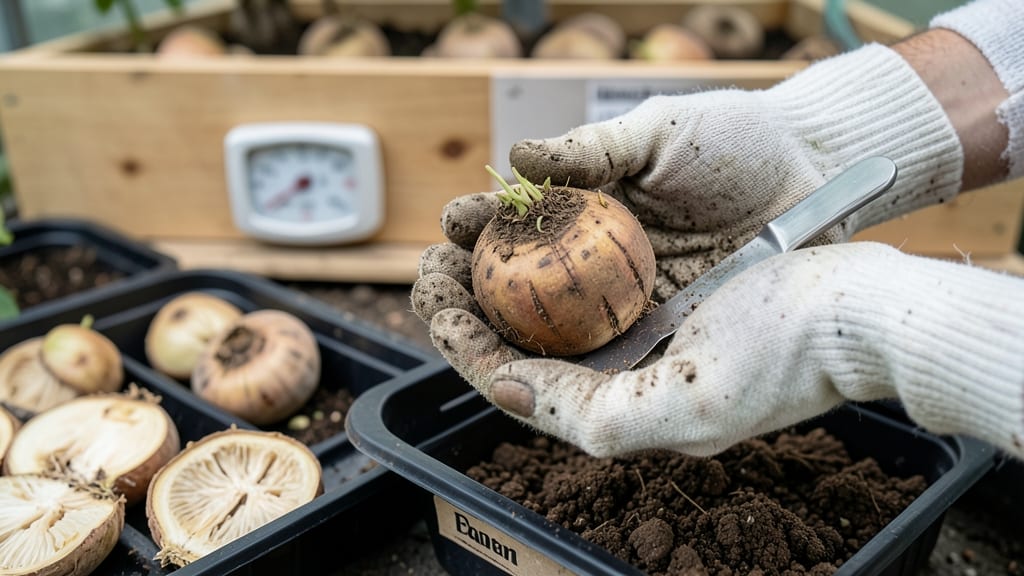
Timing your dahlia bulb planting in Oregon isn’t just about the calendar—it’s about waiting for that sweet spot when the soil warms up and the frost danger fades.
Skip this window, and you risk soggy tubers or stunted blooms, no matter how hard you’ve waited for those 🌼 showstoppers to emerge.
Here’s the thing: Oregon’s USDA zones 7b-9a (think Portland to southern Oregon) create wildly different planting zones. What works in the Willamette Valley might fail in the Cascades, where late frosts linger well into April.
I’ll show you exactly how to read your local frost dates—and soil temperature—to plant your dahlias at the perfect moment for bold, long-lasting blooms.
You’ll learn the 3 key signs your soil is ready (hint: it’s not just about the date), plus how to prep your garden beds for maximum success.
Whether you’re a first-time dahlia grower or a seasoned Oregon gardener, these tips will help you skip the guesswork and get those tubers in the ground just as they’re waking up from dormancy.
Ready to transform your garden into a summer-long parade of color? Let’s dive into the exact steps to plant your dahlias without wasting a single season—because in Oregon, timing really is everything.
Oregon’s ideal dahlia planting timeline based on soil temperature
Oregon’s microclimates make timing your dahlia bulb planting tricky—what’s perfect in Portland’s USDA Zone 7b might be too early for the Cascades’ Zone 6. The key? Soil temperature, not just calendar dates.
Dahlias need soil that’s consistently 60°F or warmer to wake from dormancy and avoid rotting. I’ll show you how to test your soil warmth and adjust for Oregon’s late spring frosts.
First, check your last frost date. In the Willamette Valley, this is typically around March 15, but in the Cascades, it can linger until April 15. Planting too soon risks frost damage to tender shoots.
Use a soil thermometer (just $10 at garden centers) to confirm your soil’s ready. Stick it 4 inches deep—the depth where dahlia tubers will sit—and wait until it hits 60°F for 3+ days.
Here’s my step-by-step soil test method: 1. Test soil in the morning (cooler temps = more accurate reading). 2. Wait 24 hours after rain to avoid skewed readings.
3. Compare your results to the Oregon planting zones below. If your soil is 55°F–59°F, delay planting by 1–2 weeks.
High-altitude areas like Bend (Zone 6) or Mount Hood (Zone 5) need extra caution. In these spots, wait until May 1** or later, even if lower elevations are planting earlier. Dahlia tubers are sensitive to cold, and chilly soil can trigger rot before shoots emerge.
Now, let’s break down your planting window by Oregon region. Use this as your cheat sheet to avoid common timing mistakes:
Once your soil hits the right temperature, prep your garden beds by amending with compost and sand for drainage. Dahlias hate soggy roots, so avoid heavy clay soils. Plant tubers 4–6 inches deep, with the eyes (growth nodes) facing up.
Space them 12–18 inches apart—closer for dwarf varieties, wider for tall types like ‘Thomas Edison’.
Pro tip: If you’re in a warmer microclimate (like Eugene or Roseburg), you can start tubers indoors in late February to get a head start. Use seedling trays with well-draining mix and keep them in a sunny window or under grow lights. Transplant outdoors when soil warms up.
After planting, mulch heavily with straw or shredded leaves to retain soil warmth and moisture. This is especially critical in cooler zones where soil stays chilly longer. Water deeply but infrequently—dahlias need 1–2 gallons per plant weekly once established, but soggy soil invites rot.
Watch for shoots to emerge in 2–3 weeks. If nighttime temps dip below 50°F after planting, protect young shoots with row covers or a cloche.
Once your dahlias hit 12 inches tall, they’re tough enough to handle Oregon’s summer heat—just keep watering and deadheading for nonstop blooms until frost.
Timing your dahlias right means bold blooms from July to October. Follow these steps, and you’ll skip the guesswork—no more wilted tubers or missed seasons. Happy planting! 🌼
Common mistakes Oregon gardeners make when planting dahlias (and how to avoid them)
Even experienced Oregon gardeners sometimes make costly dahlia planting mistakes that lead to wilted tubers or missed blooms. The most common? Ignoring soil temperature and rushing the planting process. I’ve seen gardeners in Portland plant too early in March, only to watch their tubers rot when a late frost hits.
The key is patience—waiting for that 60°F soil threshold we covered earlier.
Another frequent error is planting tubers too deep. Many gardeners bury them 8+ inches deep to "protect" them, but dahlias need to be planted just 4–6 inches deep with the eyes facing up.
Too deep, and your plant struggles to emerge. Too shallow, and it dries out. The sweet spot? 4–6 inches with the growth nodes just below soil level.
If your dahlia shoots suddenly wilt or turn black after planting, you’re likely dealing with frost damage. Here’s what to watch for:
- Crispy, brown leaves on new shoots (classic frost burn)
- Blackened stems at the soil line (tubers may still be viable)
- No new growth for 3+ weeks after planting (soil too cold)
Quick fix: If only the tops are damaged, trim back to healthy growth. If tubers are soft or mushy, they’ve rotted—start fresh next year!
Choosing the wrong dahlia varieties for Oregon’s climate is another mistake. Some gardeners pick heat-sensitive varieties like ‘Galaxy’ for hotter regions, only to see them bolt in Medford’s Zone 8a. Instead, opt for heat-tolerant types like ‘Café au Lait’ or ‘Arabian Night’—they thrive in Oregon’s summers without wilting.
Here are my top 3 pro tips to extend your dahlia blooming season in Oregon:
- Deadhead regularly—this tricks dahlias into producing more blooms instead of seeds.
- Fertilize every 4–6 weeks with a high-phosphorus formula (like 5-10-10) to fuel blooms.
- Stake tall varieties early—Oregon’s wind can snap stems if left unsupported.
Finally, many gardeners forget to mulch heavily after planting. Without mulch, soil cools quickly at night, stunting growth. Use straw or shredded leaves to insulate roots and retain moisture. This is especially critical in cooler zones like the Cascades, where soil stays chilly longer.
By avoiding these mistakes, you’ll enjoy bold, long-lasting blooms from July to October—no more missed seasons or wilted tubers! 🌼