
Plants
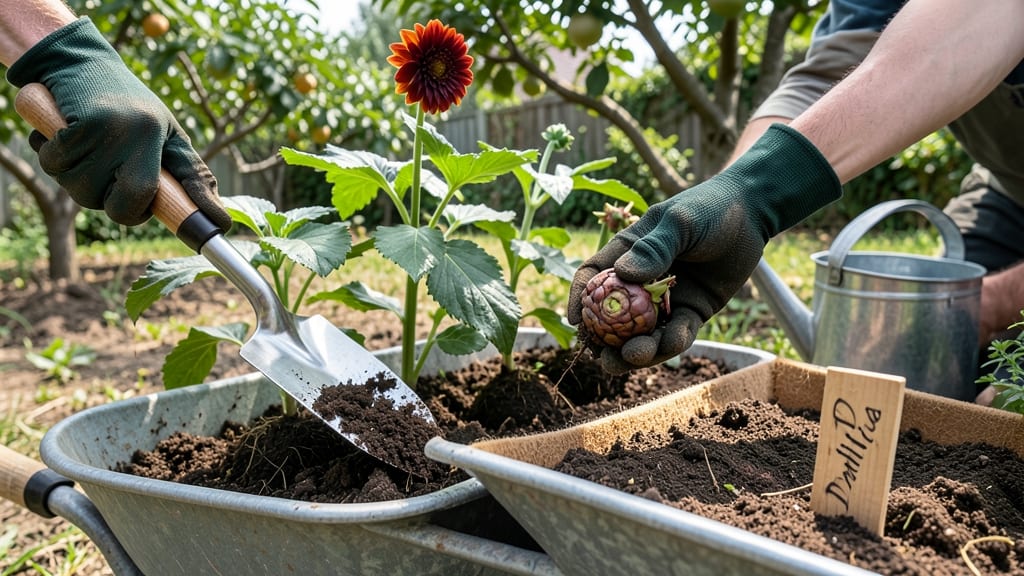
Planting dahlias in Indiana at the wrong time means frost damage or missed blooms—so knowing when to plant them is the key to a show-stopping garden.
Whether you're in chilly Lake County or warmer Clark County, timing your tubers after the last frost (around mid-April to mid-May) ensures they thrive in your USDA Zone 6a climate.
Dahlias are typically grown from tubers, not seeds, and they need warm soil (60°F) to sprout properly. Planting too early risks frost killing your delicate sprouts, while waiting too long cuts your bloom season short.
The 165 frost-free days in Indiana give you just enough time to enjoy these stunning 🌸 flowers from July through October.
In this guide, I’ll break down the exact planting windows by county, share soil prep tips, and reveal how to extend your dahlias’ season—even in Indiana’s unpredictable spring. Whether you’re a first-time gardener or a seasoned pro, these insights will help you grow dahlias that rival the pros.
Ready to transform your garden? Let’s dive into the perfect planting schedule and care routine so your dahlias burst into color right on time.
Indiana’s dahlias planting timeline by heat Zone (USDA 5-6)
Indiana’s USDA Zones 5-6 create a unique challenge for dahlias—northern counties like Lake County face late frosts, while southern regions like Clark County can plant earlier. The key is waiting for soil to warm to 60°F and air temperatures to stay consistently above 50°F at night.
This balance ensures your 🌸 dahlias sprout without frost damage while maximizing your 165-day growing season.
Most Indiana gardeners should aim to plant dahlia tubers between mid-April and mid-May, but exact timing varies by county. In Zone 5 (northern Indiana), frost lingers longer, while Zone 6 (southern Indiana) can start earlier.
Using local frost data from your county’s USDA Plant Hardiness Zone Map ensures you don’t rush or delay planting. For example, Gary (Lake County) typically waits until May 1, while Jeffersonville (Clark County) can plant as early as April 15.
Here’s your county-specific planting timeline to avoid frost and ensure vibrant blooms:
To check your exact last frost date, use the National Oceanic and Atmospheric Administration (NOAA) frost calendar or your local Cooperative Extension Service.
For example, Indianapolis (Marion County) typically sees its last frost around April 25, while South Bend (St. Joseph County) often waits until May 1. Planting too early risks frost killing your tubers, but delaying past mid-May shortens your bloom season.
Once the soil is warm enough, plant your dahlia tubers 4–6 inches deep and 12–18 inches apart in well-draining soil with full sun exposure. In Zone 5, consider using row covers or a cold frame to extend your planting window by 1–2 weeks if frost threatens.
These tools create a microclimate that protects young sprouts until they’re established.
For gardeners in Zone 6, where warmer soil arrives earlier, you can start tubers indoors in late March to give them a head start. Place them in pots with sphagnum moss or peat pellets and keep them in a bright, warm spot (70°F).
Transplant outdoors once nighttime temperatures stay above 50°F consistently. This method adds 2–3 weeks to your growing season, ensuring earlier blooms.
After planting, monitor your dahlias for frost warnings through late May, especially in northern Indiana. Use frost cloth or black plastic mulch to insulate the soil and protect tender sprouts. Once established, dahlias are hardy to 20°F, but young plants need extra care.
In Zone 5, consider planting early-blooming varieties like ‘Café au Lait’ or ‘Karma Choc’ to maximize your short season.
Remember, soil temperature matters more than air temperature—use a soil thermometer to confirm it’s 60°F+ before planting. Cold soil delays sprouting and weakens roots. If your soil is still chilly, wait a few more days or use black plastic mulch to warm it faster.
This small step can mean the difference between vibrant blooms and stunted growth.
By following this county-specific timeline, you’ll ensure your dahlias thrive from July through October, giving you a stunning display of 🌸 color before the first frost.
Whether you’re in Zone 5 or 6, these guidelines will help you avoid common mistakes and enjoy a garden full of dahlias that rival the pros.
How to extend dahlias season in Indiana’s short growing season
Indiana’s 165 frost-free days can feel too short for dahlias that need 90-120 days to bloom. The trick? Start early and protect your plants from late frosts.
I’ve found that using cold frames or row covers can shave off weeks of waiting time, letting you plant tubers as early as mid-April in southern Indiana—even if the soil isn’t fully warmed.
For northern regions like Lake County, wait until late April to avoid frost damage while still maximizing your bloom season.
Proper soil preparation is equally critical. Dahlias hate soggy roots, so amending your garden beds with compost and sand improves drainage. I mix in a 50/50 blend of compost and native soil to create a loose, airy medium that prevents rot.
Test your soil’s pH too—dahlias thrive in 6.5-7.0 range, and adjusting with lime or sulfur can make all the difference in tuber survival.
Here’s how to get a head start on your dahlias’ season in Indiana:
- 1
- 2
- 3
- 4
- 5
Once your dahlias are established, focus on consistent care to extend their season. I fertilize every 4-6 weeks with a 5-10-10 NPK blend to encourage blooms, and always remove spent flowers to prompt more production.
In late summer, when days shorten, I switch to a low-nitrogen fertilizer to harden off the tubers for winter storage.
Don’t forget to harvest strategically. Cut flowers in the morning when buds are just opening—this not only gives you stunning bouquets but also encourages the plant to produce more blooms.
In Indiana, you can often enjoy dahlias until first frost (around October 15), but with proper care, some varieties will keep blooming until November in sheltered microclimates.
With these techniques, you’ll turn Indiana’s short growing season into a long, vibrant dahlia extravaganza. The key is preparation—whether it’s starting tubers early, protecting young plants, or optimizing soil conditions. Your garden will thank you with months of color that rivals any longer-season region. 🌸