
Trees
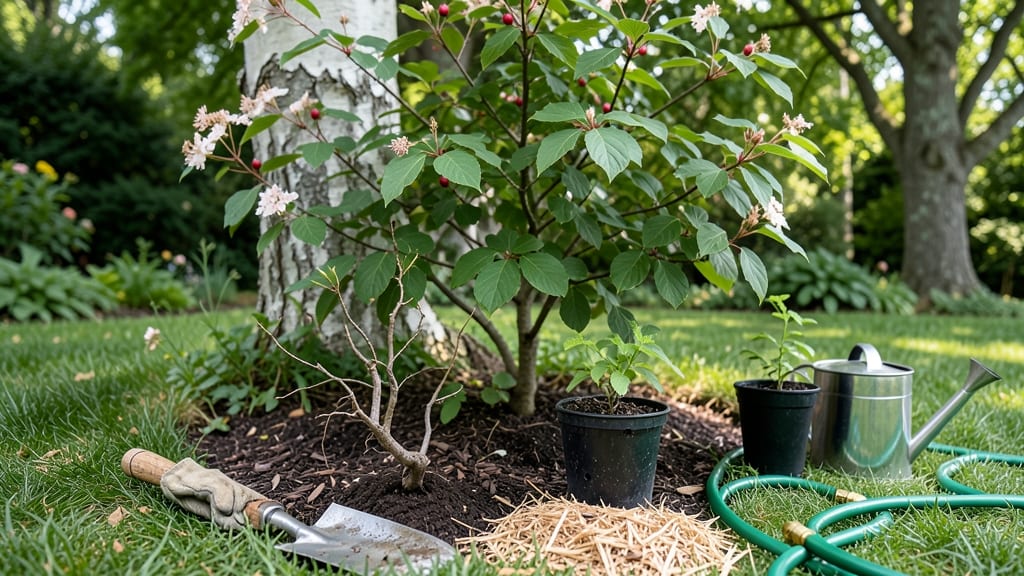
Planting a dogwood tree 🌳 in Georgia at the wrong time could mean the difference between a thriving shade tree and a sad, struggling sapling. The key to success isn't just about the calendar—it's understanding how chill hours and frost-free windows work across the state's diverse zones.
Most Georgia gardeners know fall is ideal, but did you know November is actually the sweet spot for most areas? That's when soil stays warm enough for roots to establish while cooler air reduces stress.
But if you're in North Georgia's cooler 7a zones, you might need to adjust your timing slightly.
I'll break down exactly when to plant based on your specific region—whether you're in Atlanta's urban heat island or Savannah's coastal climate. You'll also discover how to match dogwood varieties to your local chill-hour requirements for maximum blooms next spring.
Let's get your dogwood off to the best possible start with these science-backed planting windows and pro tips that actually work in Georgia's unique growing conditions.
Georgia’s dogwood planting window: frost-free dates by region
Georgia’s dogwood trees thrive when planted during the frost-free window, a critical period that varies across the state’s USDA Zones 7a–8b. Understanding your local frost dates ensures young roots establish before winter arrives.
In most regions, November is the sweet spot, but mountain areas and coastal zones demand adjustments.
For North Georgia (e.g., Atlanta and Dahlonega), the last frost typically hits mid-March, while South Georgia (e.g., Savannah) may see frost as late as early April. Mountain regions like Blue Ridge can experience frost anytime after October, requiring earlier planting.
Here’s your region-specific planting guide, including frost-free dates and ideal months for dogwood tree success. Use this as your roadmap to avoid frost damage or heat stress.
Why November? Planting in late fall (November) gives roots 6–8 weeks to establish before winter. By February–March, roots are strong enough to handle spring’s warmth. However, South Georgia’s milder winters allow for January planting without frost risk.
🌳
If you’re in North Georgia, aim for November planting to give roots time to harden before winter. Central Georgia gardeners can stretch planting into early March, while South Georgia’s milder climate allows for January starts. Mountain regions must plant by late October to avoid early frosts.
Pro tip: Check your local frost dates using the National Weather Service or USDA Plant Hardiness Zone Map. Adjust your timeline if your area experiences unusually early/late frosts. For example, if frost hits Atlanta by October 15, plant by mid-October instead.
For early spring planting (February–March), monitor soil temperatures. Roots struggle to establish in cold, wet soil, so wait until temperatures rise above 40°F. In South Georgia, February is ideal, but North Georgia may need to wait until late March.
🌿
Remember: Dogwood trees are sensitive to transplant shock. Planting at the right time reduces stress, ensuring stronger growth and vibrant blooms in spring. Whether you’re in Atlanta’s urban heat island or Savannah’s coastal climate, these frost-free dates are your guide to success.
Need more precision? Use a soil thermometer to confirm root-zone temperatures are above 50°F before planting. This small step can mean the difference between a thriving tree and a struggling sapling.
☀️
Dogwood chill-hour requirements: matching varieties to Georgia’s climate
Georgia’s diverse climate means not all dogwood varieties thrive equally. Chill hours—the number of hours below 45°F (7°C)—determine whether your dogwood will bloom reliably. North Georgia’s cooler zones (7a) get 900+ chill hours, while South Georgia (8a–8b) often sees just 300–500 hours.
Choosing the wrong variety can mean weak blooms or no flowers at all.
Native Southern dogwood (Cornus florida) typically needs 400–700 chill hours, making it perfect for most of Georgia. However, hybrid varieties like Kousa dogwood (Cornus kousa) often require 600–900 chill hours, limiting them to North Georgia’s cooler pockets.
Let’s match your yard to the right tree.
For North Georgia (USDA Zone 7a), varieties like Kousa dogwood or ‘Cherokee Brave’ thrive with their higher chill-hour needs. In South Georgia (Zone 8a–8b), opt for ‘Rutledge’ or ‘Cloud 9’ to avoid disappointment. Even within regions, microclimates matter—urban Atlanta may need a slightly different variety than rural areas.
Pro tip: Check your local chill-hour map (available from UGA Extension) for precise data. If you’re unsure, Southern dogwood is the safest bet for most of Georgia. Just ensure it gets partial shade to prevent heat stress during summer.
Once planted, monitor your dogwood’s first blooms to confirm it’s happy. If flowers are sparse, it might need more chill hours or better drainage. With the right match, your dogwood will reward you with stunning spring displays for decades. 🌷