
Plants
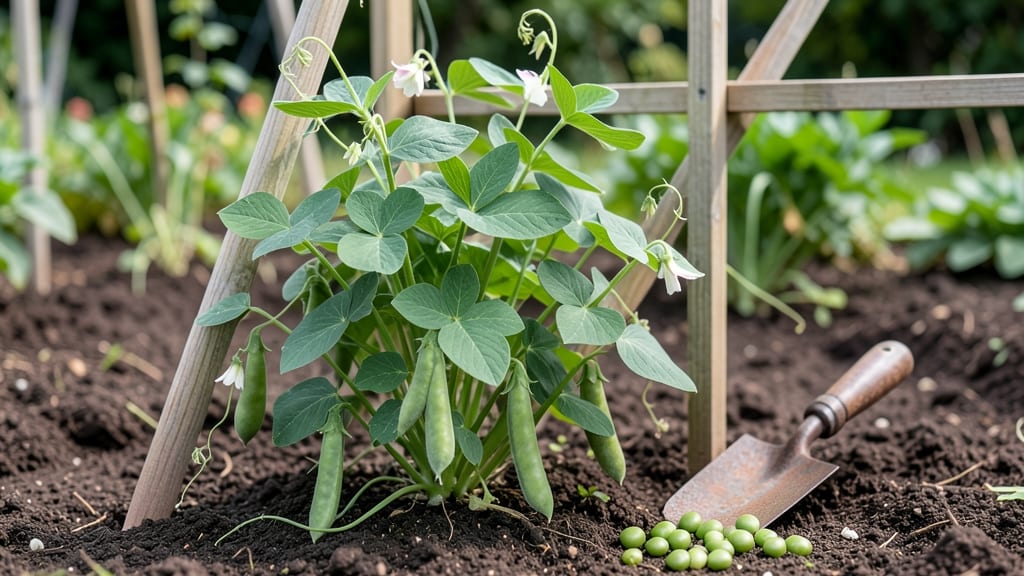
Timing your English pea 🌱 planting in Zone 7 could mean the difference between a thriving garden and a disappointing one—because these cool-weather lovers need just the right conditions to germinate fast and produce sweet pods in 60 days or less.
Most gardeners in Zone 7 assume they should wait until the soil warms up, but that’s actually the biggest mistake. English peas thrive in cool soil (as low as 40°F) and can even handle light frost, making early spring or late summer the ideal windows for planting.
The key is understanding your last frost date and soil temperatures to avoid slow starts or bolting.
If you’ve ever planted peas only to watch them struggle or fail to produce, you’re not alone. The secret lies in planting at the right time—February to March for spring harvests or August to early September for fall crops—when the ground is workable but still cool.
I’ll show you exactly how to time it perfectly for fast germination and a bountiful harvest.
Ready to skip the guesswork? Let’s break down the exact planting schedule, soil prep tips, and even how to extend your growing season for two harvests a year—no matter what Zone 7 weather throws your way.
Best planting windows for English peas in Zone 7 (with frost tolerance guide)
English peas are one of the most cold-hardy vegetables you can grow, making them perfect for Zone 7’s unpredictable spring weather. Unlike heat-loving crops, peas thrive in cool soil temperatures between 45–75°F, which means you can start planting as early as late winter—sometimes even under snow cover.
But timing is everything: plant too early, and you’ll deal with rot-prone soggy soil; plant too late, and your peas might bolt before producing pods.
The key to success lies in understanding your last frost date—typically around March 15 in most of Zone 7—and adjusting for your local microclimate. For example, areas near large bodies of water or at higher elevations may experience frost 2–3 weeks later than inland regions.
Always check your USDA Zone 7a/7b specifics, as 7a (colder) and 7b (warmer) can differ by 10–14 days in frost timing.
| Planting Window | Soil Temp | Frost Risk | Best Varieties | Harvest Window |
|---|---|---|---|---|
| Late Winter (Jan–Feb) | 35–50°F | High (use row covers) | 'Sugar Snap,' 'Lincoln' | May–June |
| Early Spring (Feb–March) | 50–65°F | Moderate (after last frost) | 'Green Arrow,' 'Oregon Sugar Pod' | May–June |
| Fall (Aug–Sept) | 60–70°F | Low (before first frost) | 'Tom Thumb,' 'Little Marvel' | Oct–Nov |
For early spring plantings, aim to sow seeds 4–6 weeks before your last frost date. In Zone 7, this often means mid-February to early March, but don’t rush—peas won’t germinate in soil colder than 35°F.
Use a soil thermometer to confirm temperatures are above 40°F before planting. If your soil is still too cold, try cold-frame planting or use black plastic mulch to warm the ground by 5–10°F.
If you’re planting in late winter (January–February), focus on dwarf or semi-dwarf varieties like 'Tom Thumb' or 'Little Marvel,' which handle cold better than tall climbers. Cover seeds with 1–2 inches of straw after sowing to insulate them from late frosts.
These early plantings often produce the sweetest peas because cooler nights prevent bitterness.
Don’t overlook fall planting—a second crop in late summer (August–early September) can yield peas until the first frost. Choose early-maturing varieties (55–60 days to harvest) like 'Oregon Sugar Pod' to ensure pods form before temperatures drop below 40°F.
Plant in well-drained soil and use a trellis to maximize space and airflow, reducing fungal risks as humidity rises in fall.
Microclimates play a huge role in Zone 7. A south-facing slope might warm up 2 weeks earlier than a shaded valley, while a low-lying area could experience frost 10 days later.
Test your microclimate by planting a test row in late February—if it survives, you’ve found your early planting window. For extra protection, use frost blankets or cloches until soil warms consistently above 50°F.
Pro tip: Peas fix nitrogen in the soil, so avoid over-fertilizing with nitrogen. Instead, mix in compost at planting time and side-dress with a low-nitrogen fertilizer (5-10-10) once vines start climbing. This keeps plants focused on pod production rather than leafy growth.
Water deeply once a week (1 inch total) to encourage strong roots—peas hate soggy feet but need consistent moisture to set pods.
Finally, always have a backup plan for late frosts. If temperatures drop below 25°F, cover your peas with row fabric or burlap sacks. With the right timing and a little extra care, you’ll enjoy sweet, homegrown peas from both spring and fall plantings—no store-bought pods needed!
How to time your pea planting for fast germination in cool Zone 7 soils
English peas 🌱 are one of the most cold-tolerant vegetables you can grow, but their germination speed depends entirely on soil temperature. In Zone 7, where spring soils can linger in the 40-50°F range for weeks, timing your planting becomes critical.
Peas germinate best between 45-75°F, but they’ll still sprout in 40°F soil—just much slower. The key is planting when the ground is workable but still cool, typically 4-6 weeks before your last frost date.
Many gardeners wait until soil warms up, but that’s when peas start to bolt or produce bitter pods. Instead, aim for late winter to early spring (February-March) for spring harvests or late summer (August-September) for fall crops.
This timing ensures your peas get the cool soil they crave while avoiding summer heat stress. Let’s break down exactly how to create the perfect germination conditions in Zone 7’s unpredictable climate.
If your Zone 7 soil feels too cold (below 40°F), try a cold frame or mini greenhouse to create a microclimate. These simple structures can raise soil temps by 10-15°F while protecting seedlings from wind.
For even faster results, consider stratifying seeds—place them in a damp paper towel in the fridge for 3-5 days before planting to mimic winter conditions and trigger quicker sprouting.
Don’t overlook companion planting as a germination booster. Peas pair beautifully with carrots, lettuce, and spinach, which share similar cool-season preferences. This not only saves space but also creates a self-shading effect that keeps roots cool and moist.
Avoid planting near onions or garlic, though—their strong aromatics can stunt pea growth.
Pro tip: Monitor soil temps with a soil thermometer (available for $10-$15) to avoid guesswork. Aim to plant when temps consistently stay between 45-65°F—this sweet spot ensures 70-80% germination rates in just 7-14 days.
With these techniques, you’ll turn Zone 7’s cool soils into your peas’ perfect germination playground.