
Plants
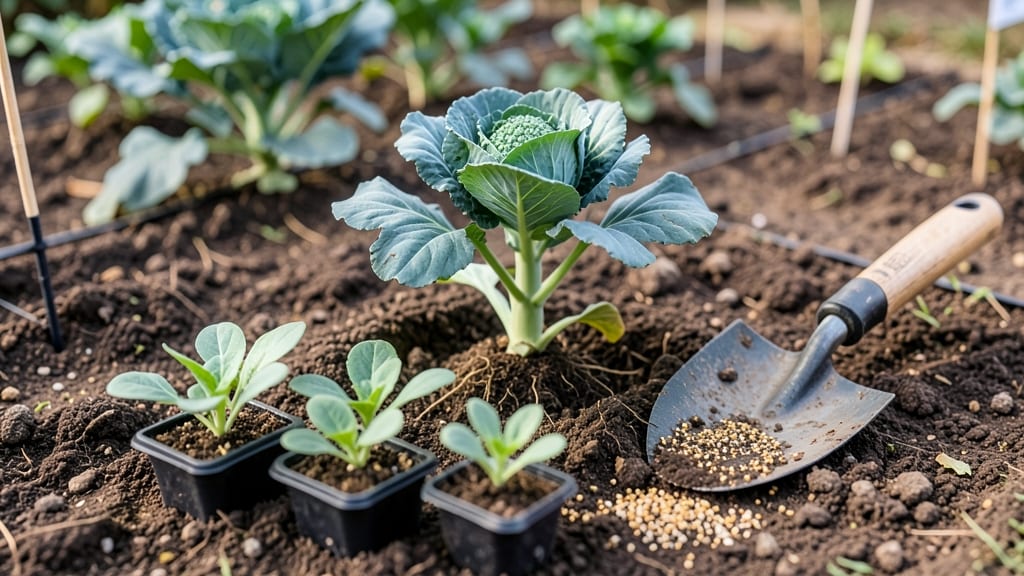
When to plant fall broccoli in Zone 6 can make all the difference between a thriving harvest and a disappointing one. Timing your broccoli just right means avoiding bolting before frost arrives while ensuring plants mature before the first chill sets in. The key lies in understanding your county's specific frost dates and working backward from there.
For most of Zone 6, the ideal window starts in mid-to-late July for direct-sown seeds or transplants. This gives your broccoli 80-100 days to mature before the first frost typically hits in mid-October.
But don't guess—check your local USDA frost maps to fine-tune these dates, especially if you're in the cooler 6a subzone versus the warmer 6b areas.
What makes fall broccoli so rewarding is how it thrives in cooler weather, delivering sweeter, more tender heads than its summer counterparts.
I'll show you how to extend your harvest season with simple strategies like succession planting and row covers, so you can enjoy fresh broccoli straight from your garden well into November.
Ready to grow broccoli that outlasts frost? Let's dive into the exact planting schedule, soil prep tips, and variety choices that will give you the most reliable fall harvest in Zone 6—no more wasted seeds or bolted plants.
Zone 6 fall broccoli planting dates by county: avoiding frost and bolting
Timing is everything when growing fall broccoli in Zone 6. A single week too early can trigger bolting, while planting too late risks frost damage before harvest. The key is matching your county's frost dates with your broccoli variety's maturity timeline.
Most Zone 6 gardeners aim for harvests between late October and December, but exact dates vary by region.
For example, Northern Virginia counties like Fairfax and Arlington have later first frosts (mid-to-late October) compared to Central Ohio counties like Franklin or Delaware, where frosts arrive by early October.
This means broccoli planted in late July in Virginia might bolt, while the same planting in Ohio would face frost before maturity.
Soil temperature also plays a critical role. Broccoli seeds need soil at least 45°F (7°C) to germinate, but ideal planting temperatures hover around 60-70°F (15-21°C). In Zone 6, soil stays warm enough for planting through mid-August in most areas.
After that, you’ll need to use row covers or cold frames to protect seedlings.
Here’s how to time your plantings by county, using average frost dates and maturity windows for popular varieties like 'Waltham 29' (70 days) and 'De Cicco' (60 days). Adjust for your specific microclimate—higher elevations or windy areas may need earlier plantings.
For direct-sown broccoli, start seeds 4-6 weeks before your target planting date indoors or in a greenhouse. Harden off seedlings for 7-10 days before transplanting to avoid shock. Transplant shock can delay maturity by 10-14 days, so time your hardening period carefully.
If you’re succession planting for a staggered harvest, sow every 2 weeks from early July through mid-August. This ensures you’ll have broccoli ready to harvest every 2-3 weeks through November.
For example, a July 1 planting of 'Waltham 29' (70 days) will be ready by early September, while an August 15 planting of 'De Cicco' (60 days) matures by mid-October.
Watch for soil temperature drops below 50°F (10°C) after planting. If nights dip into the 40s°F (4-9°C), use floating row covers to protect seedlings. These lightweight fabrics raise soil temps by 5-10°F and shield plants from light frosts (28-32°F/-2 to 0°C).
Remove covers during the day to prevent overheating.
Pro tip: Plant broccoli near nitrogen-fixing crops like peas or beans to boost soil fertility naturally. Avoid planting after tomatoes, peppers, or cabbage family members, as they share pests and diseases. Rotate crops to reduce bolting risk and improve yields in future seasons.
Finally, mark your calendar for harvest time. Broccoli is ready when heads are firm and tightly closed, with deep green color. Cut stems 6 inches below the head to encourage side
How to extend your fall broccoli season without risking frost damage
Fall broccoli thrives in cooler temperatures, but Zone 6's unpredictable frost dates can turn your harvest into a gamble. The key to success lies in strategic planning—choosing the right cold-hardy varieties and protecting your plants from early chills.
I've learned that even a single night below 28°F can damage tender broccoli heads, so extending your season requires smart tactics.
One of my favorite strategies is using row covers to create a microclimate that shields plants from light frost while still allowing sunlight and airflow. These lightweight fabrics can push your harvest window by 2-3 weeks without stunting growth.
Pair this with succession planting every 2 weeks in late summer, and you'll have a continuous supply of fresh broccoli.
The 'Waltham 29' and 'De Cicco' varieties are my top picks for Zone 6—they tolerate cooler temps better than most and produce tight, flavorful heads even when nights dip into the 30s. These varieties also mature faster, giving you more flexibility in timing.
🌱 Numbered Highlights for Extending Your Fall Broccoli Season
- Start with cold-hardy varieties: 'Waltham 29' (70 days) and 'De Cicco' (60 days) handle 28-32°F nights better than standard types.
- Use row covers: Install floating row covers when temps drop below 35°F to protect heads without trapping heat.
- Succession plant every 2 weeks: Begin in mid-July and continue through early August for staggered harvests.
- Warm your soil: Black plastic mulch raises soil temps by 5-10°F, speeding germination and growth in cooler zones.
- Harvest before frost: Pick heads when firm and dark green—even a light frost can turn them bitter.
Soil warming is another game-changer I swear by. Laying down black plastic mulch before planting raises soil temperatures by 5-10°F, which speeds up germination and gives your broccoli a head start.
This is especially helpful in Zone 6a areas where summers can be cooler. Just remember to remove the mulch once plants are established to prevent overheating.
For the latest possible harvests, I recommend planting a final succession in early September using 'Belstar' or 'Green Magic'—both are known for their cold tolerance and can often produce harvestable heads even after a light frost. Just be prepared to cover them on 28°F nights or earlier.
Don't forget that consistent moisture is critical as temperatures drop. Broccoli needs 1-2 inches of water per week, but in fall, I water in the morning only to prevent fungal issues from overnight dampness.
A 2-3 inch layer of straw mulch helps retain moisture and insulate roots from cold snaps.
With these strategies, I've successfully extended my fall broccoli season into early December in Zone 6—sometimes even later with heavy row covers. The secret isn't just about pushing limits, but about working with your climate rather than fighting it.
Try one or two of these tactics this season, and you'll be rewarded with crisp, homegrown broccoli long after your neighbors' gardens have gone dormant. 🥦