
Plants
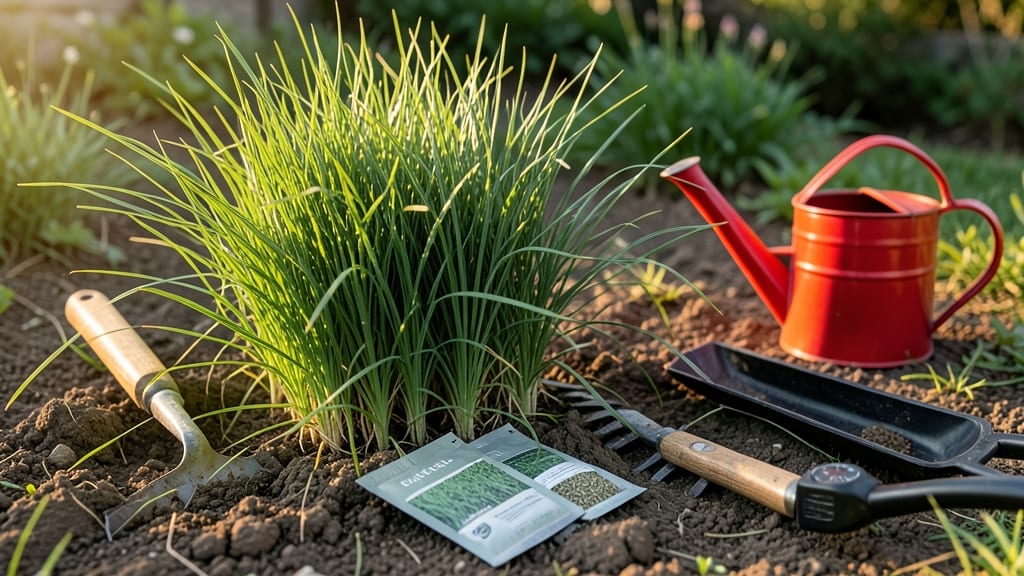
Planting fescue seed in Atlanta isn’t just about dropping seeds in the ground—it’s about timing them perfectly to beat the heat and outsmart Georgia’s unpredictable weather. 🌱 The difference between a patchy lawn and a thick, resilient turf often comes down to those critical weeks when soil temps and daylight align just right.
Most Atlanta gardeners make one big mistake: planting too early in spring when the heat zaps moisture, or too late in fall when frost sneaks in.
But if you nail the late summer to early fall window (think September through October), your fescue will establish deep roots before winter hits—giving you a lawn that thrives in USDA zones 7b-8a.
Why does this timing work? Because fescue grass is a cool-season powerhouse, and Atlanta’s mild autumn provides the ideal balance of warmth and moisture.
We’ll break down the exact soil temperature range to watch for, how to prep your yard for peak germination, and why skipping spring planting saves you from wasted seed and weak growth.
Ready to transform your lawn? Let’s dive into the secrets that’ll have your fescue grass growing strong—without the guesswork. You’ll learn how to read Atlanta’s microclimates, adjust for your specific yard conditions, and set your lawn up for success year after year.
Perfect Atlanta fescue planting window: fall dates by soil temp
Atlanta’s fall planting window for fescue seed is your golden opportunity to establish deep roots before winter—when soil temperatures hover between 60–75°F and daylight hours create ideal germination conditions.
This 6-week window (September 15–October 31) aligns perfectly with Atlanta’s USDA Zone 7b-8a climate, where cool nights and warm days work together to give your grass a strong start.
Why this timing? Fescue thrives when daytime highs stay above 70°F but nighttime lows drop below 60°F—this balance prevents seed from drying out while encouraging root growth.
In Atlanta, September’s soil temperatures average 72°F, while October’s drop to 65°F, creating perfect conditions for seedling establishment before winter dormancy.
City vs. suburban Atlanta? Microclimates matter. Urban areas like Downtown or Midtown stay warmer due to concrete and asphalt, while suburban neighborhoods like Buckhead or Decatur cool faster. Adjust your planting date 1–2 weeks earlier in cooler suburban zones to match soil temperature trends.
Use a soil thermometer to confirm temperatures before planting—aim for 60°F+ at 2-inch depth. I recommend checking in the late morning (10 AM–12 PM) when soil is warmest.
Pro tip: Early October often offers the sweet spot for Atlanta’s suburban areas, where cooler nights prevent fungal growth while maintaining warm days.
If you’re planting in shady areas, extend your window slightly—fine fescue varieties tolerate cooler soil temps better. For full-sun lawns, stick to the September 15–October 15 range to avoid heat stress. Remember, fescue seed needs 4–6 weeks to establish roots before winter dormancy sets in.
Adjust for Atlanta’s first frost date (November 15) by planting 6 weeks prior. This ensures seedlings have 3–4 inches of root depth before cold snaps. In warmer microclimates, like near Chattahoochee River parks, you might push planting to early November, but monitor forecasts closely.
For best results, pair your planting with a light fertilizer application (10-10-10) to boost early growth. Water deeply 2–3 times per week until germination (about 10–14 days), then taper to weekly deep watering once established. This fall routine sets your lawn up for spring green-up success.
Missed the window? Spring planting (March–April) is possible, but fescue struggles with Atlanta’s summer heat. Fall remains the gold standard for deep, drought-resistant roots that survive Georgia’s hot, dry summers.
🌱
How to prepare Atlanta soil for fescue: 3 non-negotiable steps
Atlanta’s clay-heavy soil can make or break your fescue lawn. Without proper prep, seeds struggle to germinate, roots stay shallow, and your investment goes to waste. The good news? With these three non-negotiable steps, you’ll transform dense clay into a nutrient-rich foundation perfect for fescue’s deep-rooted success.
First, aeration is your secret weapon against compaction. Atlanta’s heavy foot traffic and summer heat compress soil, suffocating young roots. A core aeration session (rent a machine or hire a pro) creates 1/2-inch holes every 2-3 inches—this lets air, water, and roots penetrate freely.
Skip this, and your fescue will fight for survival instead of thriving.
Next, pH balance is non-negotiable. Fescue thrives in slightly acidic soil (5.5–6.5), but Atlanta’s clay often skews alkaline. Grab a soil test kit from your local garden center—it’s the only way to know for sure. If your soil is off, amend it 4–6 weeks before planting.
For alkaline soil, spread elemental sulfur; for acidic soil, apply pelletized lime. Pro tip: Work amendments into the top 4–6 inches of soil for even distribution.
Finally, organic matter is the glue that holds everything together. Spread a 2–3 inch layer of compost or aged manure over your lawn, then lightly rake it into the topsoil. This improves drainage, retains moisture, and feeds beneficial microbes.
My go-to? A 50/50 mix of compost and peat moss—it lightens clay without overwhelming your budget. Avoid fresh manure, though; it can burn seeds and disrupt pH balance.
After these steps, your soil will be loose, balanced, and fertile—the perfect canvas for fescue seeds. But here’s the kicker: Don’t rush planting. Wait 2–3 weeks after amending to let amendments settle.
Then, when you’re ready to sow, your seeds will find an environment where they can germinate deeply and grow strong, not just survive.