
Flowers
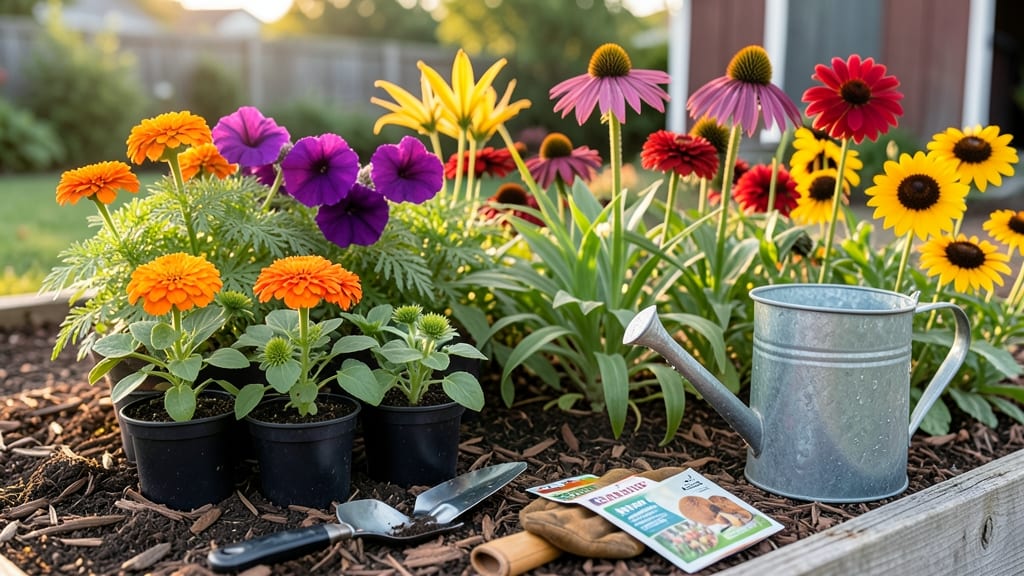
Timing your flowers 🌸 planting in Delaware isn’t just about the calendar—it’s about beating the last frost on April 15 while avoiding summer’s scorching heat. Too early, and a surprise freeze wipes out your hard work; too late, and your plants struggle to thrive before the humidity peaks.
I’ve planted in Delaware’s Zone 7b for years, and these are the exact windows that work.
Spring is your golden opportunity—March through May—when soil warms enough for seeds and bulbs to take root without risking frost damage. But don’t overlook fall planting either: August to September gives flowers a head start before winter sets in.
The key? Knowing which varieties thrive in Delaware’s coastal humidity or inland dry spells.
Whether you’re sowing annuals like zinnias or perennials like coneflowers, I’ll break down the best months for each, plus how to adjust for Delaware’s microclimates. No more guessing—just a foolproof schedule to get your garden blooming all season long.
Ready to skip the trial-and-error? Let’s dive into the perfect planting timeline for Delaware’s Zone 7b, so your flowers don’t just survive—they thrive.
Delaware flower planting calendar by season: exact dates for zero-frost success
Delaware’s USDA Zone 7b offers a 180-day frost-free growing season, but knowing the exact planting windows ensures your flowers thrive. The last average frost date is April 15, while the first frost typically arrives October 30.
Planting too early risks frost damage, while waiting too long can stunt root growth before summer heat sets in.
To maximize blooms, I’ve broken down the best planting months for annuals, perennials, and bulbs, including soil prep tips and common pitfalls. For example, cool-season flowers like pansies thrive when planted in early spring or fall, while warm-season favorites like zinnias need warmer soil (60°F+) to germinate successfully.
Pro Tip: Use row covers to extend your spring planting window by 2–3 weeks if frost threatens. Always test soil moisture before watering—overwatering is a top mistake in Delaware’s humid climate, leading to root rot.
| Season | Plant Type | Best Planting Months | Soil Temp | Key Notes |
|---|---|---|---|---|
| Early Spring | Bulbs (Tulips, Daffodils) | September–October (fall) or March (spring) | 45–55°F | Plant bulbs 6 weeks before frost; mulch after planting. |
| Spring | Annuals (Marigolds, Petunias) | April 15–May 15 | 50–60°F | Wait until soil warms to 60°F for seeds; use row covers if frost risks linger. |
| Spring | Perennials (Coneflowers, Black-Eyed Susans) | March–April | 40–50°F | Divide clumps in early spring for best establishment. |
| Late Summer | Warm-Season Annuals (Zinnias, Sunflowers) | August 1–September 15 | 60°F+ | Plant 6–8 weeks before first frost for fall blooms. |
| Fall | Cool-Season Annuals (Pansies, Snapdragons) | August–September | 50–60°F | Sow seeds 8 weeks before frost for winter color. |
In spring, focus on preparing beds by adding compost and mulching to retain moisture. I recommend planting hardy annuals like cosmos and nasturtiums after the last frost, as they tolerate Delaware’s humid summers better than delicate varieties.
For fall planting, prioritize cool-season flowers like pansies and calendulas, which thrive in 50–60°F soil. Avoid planting warm-season flowers after August 15, as they won’t establish roots before frost. Always water deeply after planting to encourage root growth in Delaware’s clay-heavy soils.
Common Mistake Alert: Skipping soil tests can lead to pH imbalances. Delaware’s soil is often acidic (pH 5.5–6.5), so amend with lime for alkaline-loving plants like hydrangeas or sulfur for acid-lovers like azaleas.
Extend your bloom season by staggering plantings. For example, sow marigolds every 2 weeks from April to July for continuous color. In coastal Delaware, where winds are stronger, use stakes or cages for tall flowers like delphiniums to prevent damage.
Always monitor Delaware’s microclimates. Inland areas like Wilmington may experience earlier frosts than coastal Rehoboth Beach. Adjust your schedule by 1–2 weeks based on local conditions, and keep a planting journal to track what works best in your garden.
With this seasonal guide, you’ll avoid the top 3 Delaware gardening mistakes: planting too early, overwatering, and ignoring soil prep. Happy planting—your zero-frost garden awaits! 🌸
Best flowers to plant in Delaware by type: cool-season vs. warm-season winners
Delaware’s Zone 7b climate lets you grow stunning flowers year-round, but the real magic happens when you match your cool-season bloomers with warm-season powerhouses. Cool-season flowers like pansies and snapdragons thrive in March-April or September-October, while zinnias and marigolds explode in color once soil warms in May-June.
I’ve tested these varieties in my own garden, and they consistently outperform others in Delaware’s humid summers and mild winters.
For cool-season flowers, focus on varieties that tolerate 50-60°F soil temps and can handle light frosts. These are your early spring and late fall workhorses, filling gaps when other flowers are dormant.
Meanwhile, warm-season flowers need 60°F+ soil and 6+ hours of sun to really shine—perfect for summer-long blooms. Let’s break down the top performers for each category, plus how to prep your soil and protect against Delaware’s Japanese beetles and slugs.
When to Plant Flowers in Delaware
Cool-Season Flowers
- 🌱 March-April (spring) or September-October (fall)
- 🌡️ Soil temps: 50-60°F
- ✅ Pansies, Snapdragons, Sweet Alyssum
- ⚠️ Frost-tolerant but avoid extreme cold snaps
Warm-Season Flowers
- 🌱 May-June (after last frost)
- 🌡️ Soil temps: 60°F+
- ✅ Zinnias, Marigolds, Sunflowers
- ⚠️ Heat-loving but may bolt in extreme heat
Delaware-Specific Tip: Use row covers for early spring cool-season plants to extend your growing window by 2-3 weeks.
Let’s start with cool-season champions like pansies, which can handle light frosts down to 25°F. Plant them 4-6 weeks before your last frost date (April 15) for early spring color.
My Viola 'Matrix' series blooms nonstop from March through May and again in fall if planted in September. For height and structure, snapdragons are unbeatable—they thrive in partial shade and humid conditions, making them perfect for Delaware’s coastal gardens.
When transitioning to warm-season flowers, wait until soil temps reach 60°F (usually late May) to plant zinnias and marigolds. These heat-lovers reward you with bold blooms all summer, but they need well-draining soil to avoid root rot in Delaware’s humid summers.
I always mix in compost and a slow-release fertilizer to keep them thriving. Marigolds, in particular, repel Japanese beetles, a common pest in Delaware gardens.
Don’t overlook soil prep—Delaware’s clay-heavy soil can be a challenge. Amend your beds with organic matter like compost or aged manure to improve drainage.
For cool-season flowers, add a balanced fertilizer (10-10-10) at planting, while warm-season varieties benefit from a phosphorus-rich fertilizer (5-10-10) to encourage root and bloom development. Mulch with straw or shredded leaves to retain moisture and suppress weeds.
Watch out for Delaware-specific pests like slugs and Japanese beetles. Slugs love tender young seedlings, so use beer traps or copper barriers in early spring. For beetles, handpick them in the morning when they’re sluggish or plant beetle-repelling companions like tansy or garlic chives.
With the right timing and care, your Delaware garden will be a nonstop bloom parade from spring to fall.