
Flowers
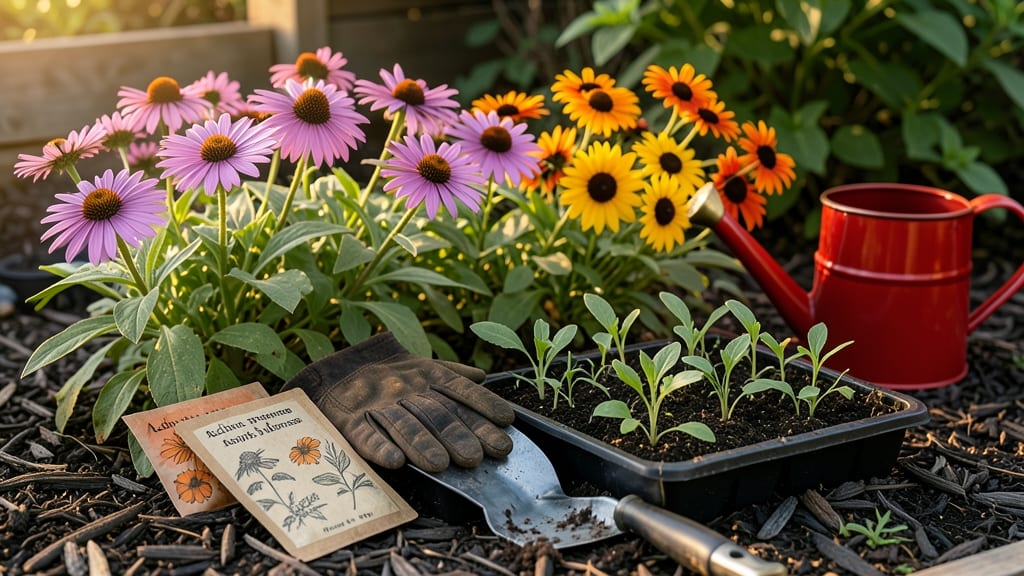
Timing your flower planting in Nebraska isn't just about the calendar—it's about beating frost, soil warmth, and the 160-180 frost-free days that define your garden's success. Plant too early, and your delicate 🌸 seedlings become frost snacks; too late, and you miss the summer bloom window entirely.
I've learned the hard way that Nebraska's USDA Zones 5a-6b demand precision. While most gardeners aim for spring, fall planting offers a secret weapon for early blooms next year—just time it right.
The key? Waiting until soil hits 50°F and knowing your last frost date isn't just April 15 but could shift by weeks depending on your county.
What you're about to discover isn't just a schedule—it's a survival guide for Nebraska's unpredictable weather. We'll cover the 5 critical factors that determine whether your flowers thrive or wilt, plus the best varieties that actually perform in our climate. Let's turn your garden dreams into reality, frost-free.
From cold-hardy pansies to heat-loving zinnias, I'll show you exactly when to plant each type and how to stretch your bloom season with simple tricks. By the end, you'll know not just when to plant, but why—so your Nebraska garden becomes the envy of the neighborhood.
Ready to dig in?
Nebraska flower planting timeline by USDA zone 5-6 (with frost date safeguards)
Nebraska’s USDA Zones 5-6 offer a 160-180 frost-free day window—critical for timing your flower planting. The average last frost arrives between April 15-May 1, while the first frost typically hits September 15-October 15.
Planting too early risks frost damage, while waiting too long shortens your bloom season. My strategy? Start cold-hardy flowers indoors in February and transition outdoors after soil warms to 50°F.
For perennials and bulbs, fall planting (late August-September) gives roots time to establish before winter. Annuals like marigolds and zinnias thrive when sown after the last frost, but pansies and sweet peas can handle light frosts.
I always check the Nebraska State Climate Office for local variations—some western counties (like Scottsbluff) warm earlier than eastern areas (like Omaha).
My March planting focuses on perennials and bulbs like coneflowers and daffodils, which establish roots before summer heat. I also harden off seedlings (move them outdoors for increasing durations) to prepare for April’s last frost window.
Pro tip: Use frost cloth if temps dip below 28°F—it’s a game-changer for tender annuals.
For annuals like zinnias and sunflowers, I wait until mid-May when nighttime temps stay above 50°F. These heat-loving flowers bolt (flower prematurely) if planted too early. I mark my calendar for June 15 as the last safe date for direct sowing—after that, the window shortens before summer’s end.
Fall planting in August-September lets me extend my garden’s life with pansies and sweet peas. These cold-tolerant annuals bloom until snow flies, adding color when most gardens fade. I always mulch heavily (4-6 inches) to insulate roots from early October frosts.
Don’t overlook bulb planting in October! Tulips and hyacinths need 6-8 weeks of cold to bloom next spring. I plant them 6-8 inches deep and mark their locations—next year’s April blooms will be worth the wait.
Nebraska’s Chinook winds (dry, warm winds) can push last frosts into early May in western areas. I adjust by planting heat-tolerant varieties like lantana or black-eyed Susans in late April, then using row covers for extra protection.
Always check your local frost dates—they vary by 1-2 weeks across the state.
To safeguard against late frosts, I plant frost-sensitive flowers (like petunias) in containers that I can move indoors or under cover. For in-ground plants, I choose early-blooming varieties or succession-plant every 2-3 weeks to ensure continuous color from May through October.
Remember: Soil temperature matters more than air temperature. Use a soil thermometer—plant when it hits 50°F for spring or 60°F for summer crops. With this timeline, your Nebraska garden will bloom reliably, not just hope for the best. Happy planting! 🌷
5 Critical factors that determine your planting success in Nebraska
Nebraska's microclimates can shift your planting window by weeks—even within the same county. I've seen Omaha's urban heat islands warm soil 2-3 weeks earlier than rural Lincoln, while Panhandle regions face Chinook winds that can delay spring planting until May.
These variations mean your neighbor's perfect schedule might fail in your yard.
The soil temperature is your true planting clock, not the calendar. I always check with a soil thermometer—waiting for 50°F for spring or 60°F for warm-season flowers prevents frost damage. Cold soil = stunted roots, no matter what the date says.
Elevation plays a hidden role—every 1,000 feet gain drops temperatures by 3-5°F. Western Nebraska's high plains (4,000+ ft) often have 2-3 weeks later frost dates than eastern counties. Check your elevation on USGS maps and adjust planting dates accordingly.
Here's what you must consider to plant successfully in Nebraska:
Nebraska's Chinook winds are the wild card—these warm, dry winds from the Rocky Mountains can raise temperatures 50°F in hours, tricking plants into early growth. I've seen tender seedlings fried when a Chinook hits after planting. Always have row covers ready for sudden temperature swings.
Pro tip: Use Nebraska Extension's interactive frost map to find your exact county's averages. Then add 2 weeks buffer for safety—your pansies will thank you when they bloom after a late frost. The right timing turns Nebraska's challenges into your garden's superpower.
Remember: No two Nebraska yards are identical. Test your microclimate by planting cold-hardy alyssum in different spots—where it thrives is your earliest planting zone. Happy growing!