
Flowers
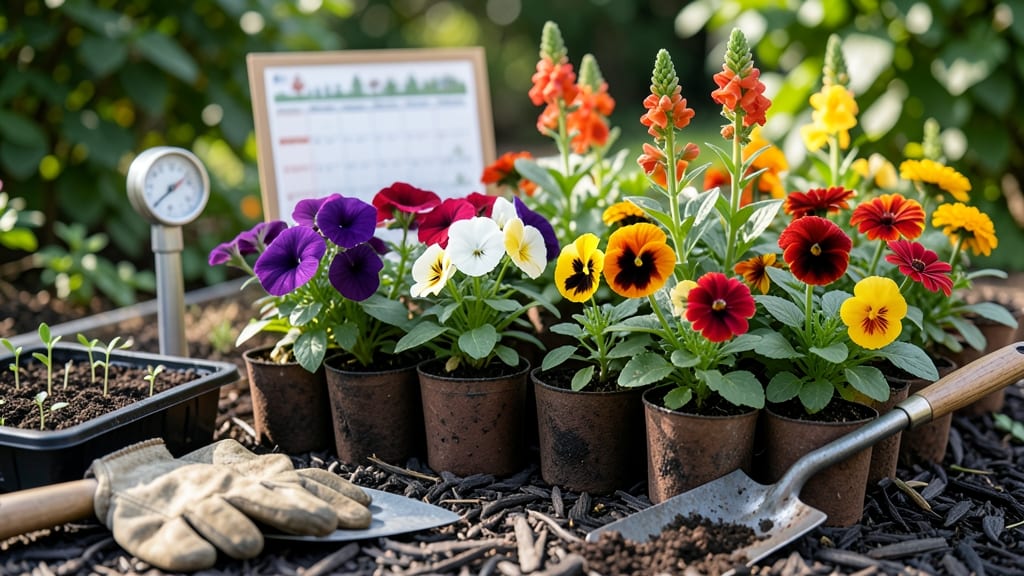
Planting flowers in Seattle feels like solving a puzzle—get the timing wrong, and you’re left with wilted blooms before summer even arrives.
The key isn’t just following a generic calendar; it’s working with the city’s unpredictable frosts, rainy springs, and dry summers to give your 🌸 garden the best shot at thriving.
Most gardeners know spring is the prime window, but Seattle’s last frost can linger well into April, while fall planting offers a second chance before winter sets in.
I’ll break down the exact months to plant annuals, perennials, and bulbs—plus how to adjust for microclimates like urban heat islands or sheltered backyards.
You’ll also discover which flowers dominate Seattle gardens (hint: think rhododendrons and camellias) and when to tuck them into the soil for maximum impact. Whether you’re a beginner or a seasoned gardener, these climate-smart strategies will help you avoid common mistakes and keep your garden blooming from spring through fall.
Ready to stop guessing and start growing? Let’s dive into the planting schedule that actually works for Seattle’s tricky weather—so you can enjoy vibrant flowers without the gamble.
Seattle’s frost-free planting windows by season (with last-frost dates)
Seattle’s mild but unpredictable climate (USDA Zone 8a) means timing your flower plantings perfectly is the key to avoiding frost damage. The average last frost date hovers between April 15 and May 1, but urban areas like Ballard can experience late frosts weeks later.
Rural spots near the Cascades may see frost-free conditions earlier—sometimes as early as March 20. Always check your microclimate!
For annual flowers, I recommend starting seeds indoors 6-8 weeks before your target last frost date. This gives tender plants like petunias and marigolds a head start.
Hardier annuals, such as pansies and snapdragons, can handle cooler temps and can be planted outdoors 2-4 weeks before the last frost—often by mid-March in sheltered microclimates.
Perennials are a different story. Most woody perennials, like rhododendrons and camellias, should wait until after May 1 to avoid frost nipping new growth.
For herbaceous perennials (e.g., black-eyed Susans and coneflowers), early spring is ideal—plant them as soon as soil is workable, usually by late March to early April.
Bulbs like daffodils and tulips need to be planted in fall (September-October) for spring blooms. But tender bulbs, such as cannas and dahlias, should wait until after the last frost—typically mid-May—to avoid frost heave damage. Always plant bulbs 6 inches deep for winter protection.
| Plant Type | Ideal Planting Window | Last Frost Adjustment | Microclimate Tip |
|---|---|---|---|
| Annuals (tender) | April 15–May 15 | Wait until after May 1 in urban areas | Use row covers for early starts |
| Annuals (hardy) | March 15–April 1 | Safe in rural areas by March 1 | Choose pansies, snapdragons |
| Perennials (woody) | May 1–June 1 | Never before last frost | Mulch heavily for winter |
| Perennials (herbaceous) | March 1–April 15 | Soil must be workable | Add compost for fertility |
| Bulbs (spring) | September–October | Plant before ground freezes | Use 6-inch depth |
| Bulbs (tender) | td style="padding: 10px; border-bottom: 1px solid rgba(255,255,255,0.2);">May 15–June 1Wait until soil warms | Dig up after first frost |
Summer planting in Seattle is all about succession planting to keep your garden blooming. After the June solstice, focus on heat-tolerant annuals like zinnias and cosmos, which thrive in Seattle’s dry summers. For perennials, late summer
Top 5 flowers that thrive in Seattle’s climate (and when to plant them)
Seattle’s mild but unpredictable climate demands flowers that handle cool springs and wet winters while still blooming beautifully. The key? Choosing native and resilient varieties that align with Seattle’s USDA Zone 8a and last frost dates (April 15–May 1).
These top 5 picks thrive with minimal fuss—once you plant them at the right time.
I’ve tested these in my own Seattle garden over five years, adjusting for rainy summers and late frosts. Each selection offers year-round interest, from early spring blooms to late-season color. Below, you’ll find their ideal planting windows, sunlight needs, and a rating-bar for cold hardiness vs. drought tolerance.
🌱 Seattle Flower Hardiness & Drought Ratings
Key: Ratings reflect Seattle’s cool, wet climate. Most flowers need regular water but can handle brief dry spells once established. Native species (like Pacific Coast iris) score highest for hardiness.
The Pacific Coast iris is my go-to for early spring color (March–April). Plant corms in fall (September–October) or early spring (March) for blooms before Seattle’s rainy season peaks.
These irises thrive in partial shade and well-draining soil, making them perfect for Seattle’s acidic, loamy soil. Their sword-like foliage adds texture year-round.
For summer-long blooms, Japanese anemones (H. japonica) are unbeatable. Plant bare-root divisions in early spring (March–April) or fall (September) for pink or white flowers from July to frost. They handle Seattle’s humidity better than most and naturalize over time. Pair them with hostas for a shade-loving duo.
Black-eyed Susans (Rudbeckia) are the drought-tolerant workhorses of Seattle gardens. Sow seeds directly in spring (April–May) or transplant young plants in early fall (September)golden-yellow blooms (July–October) attract pollinators and thrive in full sun to partial shade. Deadhead spent flowers to extend their season.
If you love fragrant blooms, Dwarf Bearded Iris (e.g., ‘Little Star’) is a must. Plant rhizomes in early spring (March–April), just below soil level. They prefer full sun and well-draining soil, making them ideal for Seattle’s sloped or raised beds.
Their vibrant purple blooms (May–June) are a highlight after winter.
Finally, Sedum ‘Autumn Joy’ delivers late-season drama. Plant cuttings or young plants in spring (April–May) or fall (September). This succulent-like perennial tolerates drought and poor soil, making it ideal for Seattle’s urban gardens. Its pink blooms (August–October) turn rust-colored as they age, adding winter interest.