
Trees
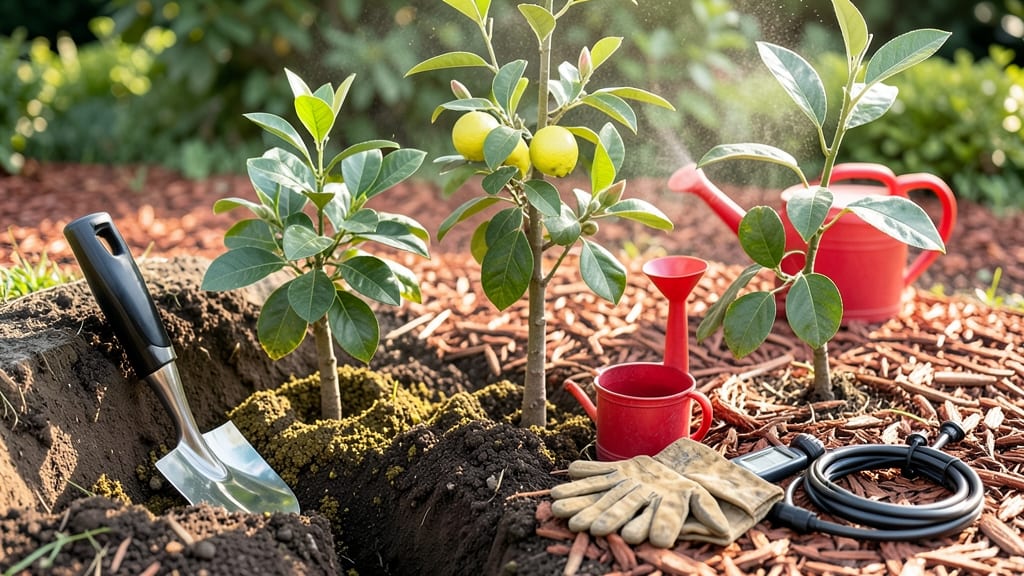
Planting fruit trees 🍎 at the wrong time in Zone 8b can turn your dream orchard into a frustrating gamble—especially when you're counting on that first harvest.
The key to success lies in understanding when your local climate is ready for new roots to take hold before the heat of summer arrives.
For most fruit trees in Zone 8b, the sweet spot is late winter to early spring—between February and March—when soil temperatures are cool but rising. This window gives young trees time to establish strong roots before the stress of summer heat and drought sets in.
But timing isn't one-size-fits-all: citrus and figs, for example, play by slightly different rules than peaches or apples.
I’ve learned the hard way that rushing the process—like planting too early when the ground is still frozen or too late when summer’s around the corner—can leave your trees struggling.
The right timing means healthier growth, better fruit production, and fewer headaches down the road. Let’s break down exactly when to plant each type of fruit tree for maximum success.
Whether you're a first-time gardener or a seasoned grower, getting this step right is the foundation for years of bountiful harvests. Stick with me, and I’ll walk you through the ideal planting windows, soil prep tips, and even how to adjust for your specific microclimate—coastal or inland—within Zone 8b.
Best planting months for fruit trees in Zone 8b by type
Zone 8b offers a perfect window for planting fruit trees, but timing varies dramatically between deciduous and evergreen varieties. Deciduous trees like peaches and plums thrive when planted while dormant, while evergreens such as citrus and figs prefer warmer soil.
Understanding these differences ensures your trees establish strong roots before summer heat arrives.
For deciduous fruit trees, the ideal planting window is late winter to early spring—specifically February through March—when soil temperatures are cool but rising. This timing aligns with the tree's natural dormancy period, reducing transplant shock.
Evergreen fruit trees, however, require warmer soil and should be planted in early spring (March) or early fall (October-November) to avoid heat stress.
Soil temperature plays a critical role in root establishment. Most deciduous trees need soil temps between 40°F and 60°F, while evergreens like citrus prefer 60°F to 70°F.
In Zone 8b, soil warms quickly, so planting too late can stress young roots. Use a soil thermometer to check before planting—especially for heat-sensitive varieties like peaches.
Here’s a quick comparison to guide your planting schedule:
Peaches and plums, two of the most popular deciduous fruit trees in Zone 8b, should be planted in February or early March. These trees enter dormancy in winter and benefit from cooler soil temperatures, which slow root growth and reduce transplant shock.
If you miss this window, your second-best option is late fall (November), but avoid planting in summer when soil is too warm.
Evergreen fruit trees like citrus and figs have different needs. Citrus trees, for example, thrive when planted in early spring (March) or early fall (October). The key is to plant when soil temperatures are consistently above 60°F—any earlier, and roots may struggle to establish before summer heat arrives.
Figs are slightly more flexible but still prefer warmer soil and should avoid planting during peak summer months.
For stone fruits like cherries and nectarines, timing is equally critical. Plant these in late winter (February) to early spring (March) while they’re still dormant. These trees are sensitive to late frosts, so planting too late can expose them to flower damage.
If you’re planting in cooler microclimates within Zone 8b (e.g., higher elevations), extend your window to April to avoid frost risks.
One common mistake in Zone 8b is planting evergreen fruit trees too early in the season. While deciduous trees can handle cooler soil, evergreens like citrus and figs may suffer root rot if planted in chilly, wet soil.
Always check soil temperature with a thermometer—aim for at least 60°F before planting. For container-grown trees, you can plant slightly earlier, as pots warm up faster than garden soil.
After planting, focus on watering deeply but infrequently to encourage root growth. Deciduous trees planted in spring should receive 1–2 inches of water per week for the first month, while evergreens need consistent moisture without waterlogging.
Mulch around the base of the tree with 2–3 inches of organic mulch to retain moisture and regulate soil temperature.
Remember, Zone 8b’s mild winters and hot summers create unique challenges. By aligning your planting schedule with soil temperatures
How to prepare your Zone 8b soil and site for fruit tree success
Before you even think about planting your fruit trees in Zone 8b, the soil preparation is where success begins. I’ve seen too many gardeners rush this step and end up with trees that struggle to establish roots.
The right soil gives your trees the nutrient-rich foundation they need to thrive, especially in our warm but variable climate.
Start by testing your soil pH and texture. Most fruit trees prefer a slightly acidic to neutral pH between 6.0 and 7.0. If your soil is too alkaline or compacted, roots won’t absorb water and nutrients efficiently.
You can use a simple soil test kit or send a sample to your local extension office for professional analysis.
Once you know your soil’s condition, it’s time to amend the soil. In Zone 8b, where summers can be hot and dry, adding organic matter like compost or well-rotted manure improves water retention and drainage.
Aim for a depth of at least 12-18 inches of amended soil—this gives roots plenty of room to spread out.
- 1
- 2
- 3
- 4
- 5
Don’t overlook microclimate considerations—Zone 8b can vary dramatically from coastal to inland areas. Coastal regions benefit from cooler summers and higher humidity, while inland areas may experience hotter, drier conditions.
If you’re in a hot inland microclimate, consider planting shade-tolerant varieties like figs or mulberries, or use shade cloth during peak summer months.
Finally, plant at the right depth: The root flare (where roots meet the trunk) should sit slightly above soil level. Burying it too deep can suffocate the tree, while planting too shallow leaves roots exposed. Water deeply after planting to encourage roots to spread into the amended soil.
With these steps, your Zone 8b fruit trees will have the best possible start—setting them up for years of healthy growth and delicious harvests. 🌱🍊