
Planting
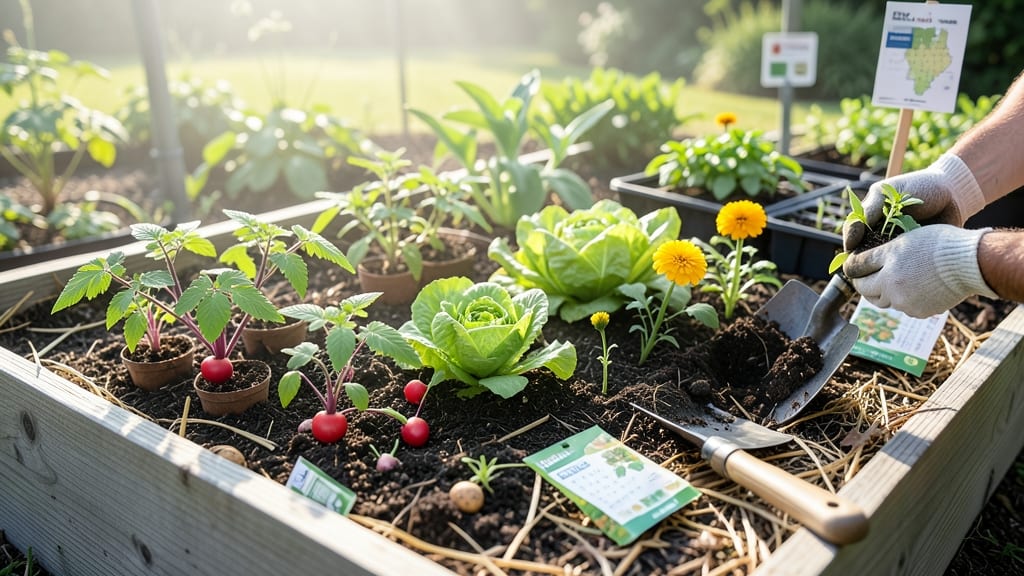
Knowing when to plant a garden in Wisconsin just right can mean the difference between a bumper crop and a sad, frost-nipped disappointment—and the last frost dates vary more than you’d expect across the state.
Whether you’re in chilly Zone 4a or milder Zone 6b, planting too early or too late can throw off your entire growing season. I’ve dug into the data (including UW Extension records) to give you the exact county-by-county deadlines you need to avoid those "almost" moments.
From cool-season crops like spinach that can handle early April soil to warm-season tomatoes that need to wait until mid-May (or later in northern Wisconsin), we’ll break down when to start seeds indoors, when to transplant, and how to adjust for microclimates—like lakeshore areas that warm up faster.
You’ll also discover 5 fast-growing crops that forgive late starts, plus how to use row covers to extend your season by weeks. Let’s make sure your garden thrives—not just survives—the Wisconsin way.
Wisconsin’s last frost dates by region: planting deadlines for vegetables, flowers, and herbs
Wisconsin’s last frost dates vary dramatically across its 72 counties, from the northern forests of Ashland (Zone 3) to the southern valleys of Dane (Zone 5).
These regional differences mean your tomato seedlings in Milwaukee might be safe by May 10, while Douglas County gardeners should wait until May 25. Understanding these planting deadlines ensures your cold-sensitive crops like peppers and basil survive Wisconsin’s infamous late spring freezes.
For flowers and herbs, timing matters just as much. Pansies and snapdragons can handle early spring plantings in Zone 5, while marigolds and basil need to wait until after the last frost in Zone 3.
Even perennials like coneflowers benefit from planting at the right time to establish strong roots before winter. Below, I’ve broken down the average last frost dates by region, plus fall planting windows to maximize your harvest.
Pro Tip: Always check the UW Extension’s Frost Date Map for real-time updates, as microclimates (like urban heat islands in Madison) can shift frost dates by 1-2 weeks. For this guide, I’ve grouped counties into 5 regions based on USDA Zones 3-5 and historical frost data.
| Region | Last Frost (Spring) | First Frost (Fall) | Early Planting (Cold-Hardy) | Late Planting (Warm-Season) |
|---|---|---|---|---|
| Northern Wisconsin (Zones 3-4) | May 10–May 25 | September 20–October 5 | Peas, spinach, kale (April 1–15) | Tomatoes, peppers (June 1–15) |
| Central Wisconsin (Zones 4-5) | May 1–May 15 | September 10–September 30 | Lettuce, radishes, pansies (March 20–April 10) | Cucumbers, basil (May 15–30) |
| Southern Wisconsin (Zone 5) | April 20–May 5 | October 5–October 20 | Onions, carrots, calendula (March 1–April 1) | Sweet potatoes, okra (May 1–15) |
| Lakeshore (Zones 4-5) | May 5–May 20 | September 30–October 10 | Potatoes, broccoli (April 1–15) | Eggplants, melons (May 20–June 1) |
| Urban Heat Islands (e.g., Milwaukee, Madison) | April 25–May 10 | October 10–October 25 | Garlic, leeks (February–March) | Peppers, eggplants (May 10–20) |
In northern Wisconsin (e.g., Bayfield, Iron), the last frost often lingers until May 25, giving you a shorter growing season (about 140 frost-free days). Here, focus on fast-maturing crops like bush beans (50 days) and radishes (25 days).
For herbs, cilantro and parsley thrive in cooler temps, while basil needs to wait until after June 1.
Conversely, southern Wisconsin (e.g., Walworth, Jefferson) enjoys Zone 5 benefits, with last frosts by April 20 and 180 frost-free days.
This region can even squeeze in two tomato harvests: one planted in early May and another in late July for a fall crop. Perennials like lavender and roses also establish better here due to the longer growing season.
For fall planting, aim to sow cool-season crops (e.g., kale, spinach, carrots) 6-8 weeks before your first frost. In northern counties, this means late July plantings, while southern counties can extend it to
How to adjust planting times for Wisconsin’s microclimates and frost exceptions
Wisconsin’s microclimates can throw off even the most experienced gardener. For example, Milwaukee’s urban heat islands often warm up 1-2 weeks earlier than nearby rural areas, while Green Bay’s lakeshore can delay frost by 10 days due to lake-effect warming.
Even within a single county, valleys vs. hilltops can mean a 3-week difference in planting windows.
If you’ve ever planted tomatoes too early only to watch them wilt in a surprise frost, or missed the fall planting window for spinach, you know how costly these exceptions can be.
The key? Adjusting for your specific microclimate—whether you’re in a concrete jungle, a lakeside garden, or a rural valley—and using tools like row covers or soil thermometers to fine-tune your schedule.
Here’s how to extend your growing season by understanding your local frost exceptions and using low-tech hacks to protect your plants. These tips will help you plant with confidence, no matter where you garden in Wisconsin.
⚠️ Frost Exceptions You Can’t Ignore
Wisconsin’s lake-effect microclimates and urban heat islands create frost exceptions that can shift planting windows by weeks. Here’s what to watch for:
- Lakeshore areas (Green Bay, Lake Michigan): Warmer air from the water can delay last frost by 7-10 days in spring and extend fall planting by 2 weeks.
- Urban areas (Milwaukee, Madison): Concrete and buildings trap heat, warming soil 2-3°F faster than rural areas—plant warm-season crops 5-7 days earlier.
- Valleys (Chippewa Valley, Door County): Cold air sinks, creating later frosts in spring and earlier frosts in fall—wait 10-14 days longer to plant heat-lovers like peppers.
- South-facing slopes: Can be 1-2 weeks earlier for spring planting; north-facing slopes may need row covers for an extra buffer.
Use a soil thermometer to confirm when soil reaches 60°F for warm-season crops—this is more accurate than frost dates alone.
To adjust your planting times, start by identifying your microclimate type. If you’re near a lake, check NOAA’s Great Lakes buoy data for local water temperatures—warmer water means later frosts.
For urban gardeners, plant heat-loving crops like cucumbers or beans 3-5 days earlier than rural guidelines suggest, since city soils warm faster.
For rural and valley gardens, err on the side of caution. Use frost-sensitive plants like basil or okra as your test crops—if they survive, you’re likely in the clear for other warm-season plants.
In these areas, row covers (like Reemay fabric) can add 4-6°F of protection, letting you plant 2 weeks earlier in spring or 2 weeks later in fall.
Don’t overlook cold frames for extending your season. A simple DIY cold frame (built from wood and plastic) can keep soil temperatures 10-15°F warmer than ambient air, letting you plant lettuce or spinach in early April even in Zone 4.
Pair it with a clear plastic tunnel for extra insulation during late frosts.
Pro tip: Plant succession crops in staggered rows to account for frost exceptions. For example, sow radishes every 2 weeks from mid-April to early June—this way, you’ll always have a harvest, even if a late frost nips one batch.
And always keep a garden journal to track your local frost dates year after year—your data will become more reliable than county averages.