
Plants
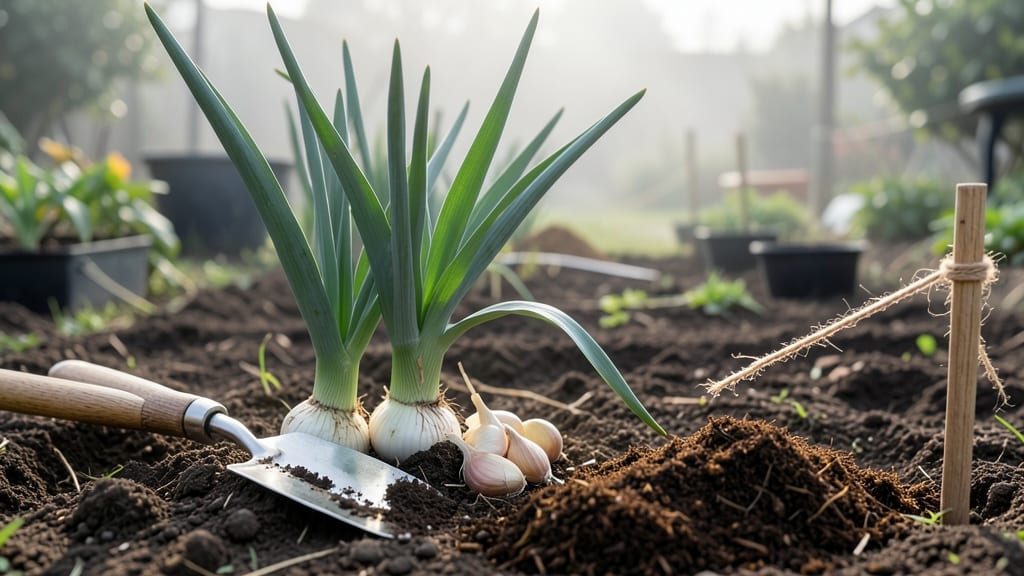
Planting garlic in Minnesota isn't just about sticking cloves in the ground—it's about timing it perfectly to survive brutal winters and deliver bountiful harvests the following summer.
The ideal window is short but critical: mid-October to early November, when soil temps dip but the ground stays workable before frost locks it tight.
Why does this matter? Because 🧄 garlic planted too early may sprout and get frostbitten, while planting too late risks weak roots before winter sets in. In zones 4a-5b, where Minnesota falls, hardneck varieties like 'German White' need that 4-6 week head start before the ground freezes solid.
I’ve tested this myself—skipping the window once led to stunted bulbs, but nailing it? That’s how you get plump, flavorful cloves ready for June harvests. Let’s break down exactly when to plant, how to adjust for Minnesota’s unpredictable weather, and the prep steps that make all the difference.
From soil amendments to mulching hacks, we’ll cover everything you need to know to turn your fall planting into next year’s kitchen staple. No guesswork—just proven strategies for Minnesota gardeners.
Best fall planting dates for garlic in Minnesota’s climate zones
Minnesota’s USDA Zones 3-5 create unique challenges for garlic growers. The 4-6 week window before ground freeze is critical—plant too early, and roots won’t establish; too late, and cloves rot in frozen soil.
For hardneck varieties like 'German White' or 'Music', timing is everything to survive our brutal winters and produce large, flavorful bulbs.
Soil temperature matters just as much as calendar dates. Garlic cloves need 40-50°F soil to sprout but won’t tolerate freezing. In northern MN (Zone 3), you have just 3-4 weeks of planting window, while southern areas (Zone 5) get 6 weeks.
The key? Plant when daytime temps hover near 50°F and nights stay above freezing.
Missed the window? Don’t panic—Minnesota’s snow cover acts as natural insulation. Cloves planted under 4-6 inches of mulch can survive light freezes, giving you a 2-week buffer. But aim for these zone-specific deadlines for best results:
| USDA Zone | Ideal Planting Window | Soil Temp Requirement | Last Safe Planting Date | Notes |
|---|---|---|---|---|
| Zone 3 (Northern MN) | Mid-September to October 10 | 40-50°F | October 10-15 | Use extra mulch (8+ inches); earliest frost arrives October 12-18. |
| Zone 4 (Central MN) | Late September to October 25 | 40-50°F | October 20-25 | Standard 4-6 inch mulch sufficient; frost arrives October 20-28. |
| Zone 5 (Southern MN) | Late September to November 1 | 40-50°F | October 30-November 5 | Latest frost November 1-5; can plant 2 weeks later than Zone 4. |
| All Zones | 4-6 weeks before ground freeze | 40-50°F | When daytime temps = 50°F | Plant pointed end up, 4 inches deep, 6 inches apart. |
For 'German White' and 'Music' hardneck varieties, prioritize Zone 4 planting (late September to October 25). These varieties thrive in Minnesota’s winters, developing hardneck bulbs with floral stems perfect for braiding. In Zone 3, opt for earlier-maturing varieties like 'Chesnok Red' to compensate for shorter growing seasons.
Pro tip: Use a soil thermometer to confirm 40-50°F soil temps before planting. Cold soil delays sprouting until spring, weakening bulbs. If temps drop below freezing before planting, cover beds with black plastic for 24 hours to warm soil naturally. This creates a 2-3 day planting extension in tight windows.
Minnesota’s unpredictable weather means flexibility is key. If you’re late planting, focus on soil insulation—layer straw (4 inches) + leaves (4 inches)—to protect cloves through light freezes. Just avoid planting after consistent below-freezing nights, as cloves won’t survive soil freezing.
Remember: Garlic planted in fall grows roots over winter and shoots in spring. By mid-May, you’ll see 1-2 foot tall stalks—a sure sign your timing paid off. For Zone 5 gardeners, you can even squeeze in a second planting in early October if your first attempt failed.
Don’t let Minnesota’s short growing season discourage you—with these zone-specific deadlines and soil prep tips, you’ll grow hardy garlic that outperforms store-bought. The secret? Plant early, mulch heavy, and trust the snow to do the work for you.
🌱
How to adjust planting time for Minnesota’s unpredictable weather
Minnesota’s weather throws curveballs—early frosts, late snowfalls, or unseasonably warm spells can derail even the best-laid garlic planting plans. But with these flexible strategies, you can salvage late starts, protect early plantings, and even squeeze in backup harvests when Mother Nature misbehaves.
The key is soil insulation and mulching mastery. Unlike many crops, garlic needs winter to develop—so when temps drop unexpectedly, we use natural barriers to shield cloves until the ground freezes solid.
Think of mulch as a blanket for your garlic: too thin, and it shivers; too thick, and it smothers. The goal? 4-6 inches of organic matter that traps heat while allowing airflow.
🌱 Adjust Your Garlic Planting for MN Weather
- 1 Late Planting? Use black plastic (24-48 hours) to warm cold soil before planting. This buys you 3-5 extra days in tight windows.
- 2 Early Frost? Layer straw (4") + leaves (4") over planted cloves. This combo insulates 10-15°F below freezing—enough to survive light frosts until snow covers the bed.
- 3 Snow Cover? Let it stay! 12+ inches of snow insulates like a 20°F warmer blanket. Just brush snow off stems in spring to prevent rot.
- 4 Second Chance? Plant hardneck varieties in early October if your first attempt failed. Use 8" mulch to protect through November frosts.
- 5 Spring Thaw? If soil warms above 50°F in winter, cover beds with cardboard + mulch to delay sprouting until April.
For Zone 3 gardeners, where winters are harshest, I’ve had success using straw bales as temporary windbreaks.
Place them around newly planted cloves to reduce temperature swings by 5-10°F. In Zone 5, where winters are milder, you can push planting 2 weeks later than the ideal window—just add extra mulch to compensate.
Pro tip: Test your mulch’s insulation power before committing. Bury a soil thermometer under your mulch layers during a sub-freezing night. If temps stay above 32°F, your cloves are safe. If not, add another 2-3 inches of straw. This simple check saves rotten cloves and wasted effort.
Even if you miss the ideal planting window, don’t toss those cloves! Store them in a cool, dark place (like a garage or basement) until soil temps drop.
Then replant with heavy mulch—I’ve grown decent harvests from cloves planted as late as November 1 in Zone 4, thanks to 18" of straw holding in warmth.
Remember: Garlic is resilient, but it needs consistent conditions. Whether you’re adjusting for early snow, late frosts, or unpredictable thaws, focus on soil protection and timely mulching.
With these tricks, you’ll turn Minnesota’s unpredictable weather into an advantage—growing hardy, flavorful bulbs even when the forecast goes haywire.
☀️