
Companion Plants
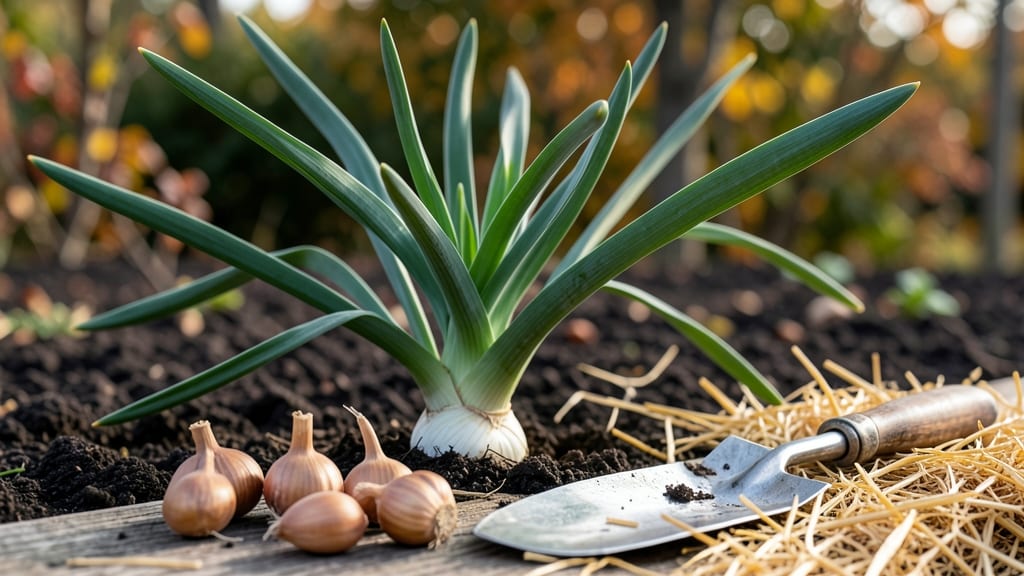
Planting garlic in Northeast PA at the wrong time means smaller bulbs, weaker flavor, and maybe even no harvest at all—so timing is everything for 🧄 hardneck varieties that thrive in our Zone 5b-6a winters.
If you’ve ever wondered why your garlic struggles to grow here, the answer lies in when (and how) you plant it. Fall is the only window for success, but getting the exact month matters just as much as the soil prep.
Too early, and the cloves rot; too late, and they won’t establish before winter.
I’ve tested the best methods over years in this climate, and the 4-week window before the ground freezes is non-negotiable. Whether you’re a first-timer or a seasoned gardener, these tips will help you nail the timing—and get the biggest, most flavorful bulbs by mid-July.
Ready to stop guessing? Let’s break down the exact months, soil tricks, and frost rules that make all the difference in Northeast PA gardens.
Optimal hardneck garlic planting months in Northeast PA (with frost timing rules)
Northeast PA’s Zone 5b-6a climate creates a tight window for planting hardneck garlic—miss it, and you’ll end up with stunted bulbs or no harvest at all. The key? Planting 4-6 weeks before the ground freezes, which typically lands between mid-October and mid-November in our region.
This timing lets the cloves establish roots before winter dormancy, ensuring strong growth next spring.
Unlike softneck varieties, hardnecks require cold exposure to form proper bulbs. If you plant too early (like September), the cloves may sprout and rot before winter. Plant too late (December or later), and they won’t root deeply enough to survive our harsh winters.
The first hard frost date is your best guide—aim to plant when daytime temps consistently drop to 40°F or below.
Here’s the golden rule for Northeast PA: Count backward 4 weeks from your average first frost date (usually mid-to-late November in this region). For example, if your frost hits November 15, plant by October 20.
This method accounts for local microclimates, whether you’re in Scranton’s colder valleys or Wilkes-Barre’s slightly milder zones.
Local gardeners often swear by planting in early October as a safe bet, but I’ve found that late October to early November works best in most of Northeast PA.
The soil should still be workable (60°F or warmer), and cloves should have 4-6 weeks of root growth before the ground freezes. Use a soil thermometer to check—plant when temps hover around 50-60°F.
One common mistake? Relying on calendar months instead of frost dates. A warm October might trick you into planting early, but if temps spike, your garlic could sprout prematurely and rot.
Always verify with your local USDA frost map or check with the Penn State Extension for your specific county’s data.
Hardneck garlic planted in this window will overwinter successfully, sending up scapes in June and bulbs ready for harvest by mid-to-late July.
The cold stratification process also enhances flavor, making Northeast PA-grown garlic some of the most robust in the U.S. But skip the timing, and you’ll get small, pungent, or moldy bulbs—or worse, nothing at all.
Pro tip: If you’re unsure about your frost date, use the Penn State AgWeather tool or call your local county extension office. For example, in Lackawanna County, the average first frost is November 12, so I plant by October 20.
In Luzerne County, it’s often a week later, so I adjust accordingly.
Once you’ve nailed the timing, focus on soil prep. Northeast PA’s acidic, rocky soils need amendments like compost and wood ash to raise pH to 6.0-7.0.
Plant cloves 2 inches deep, 4-6 inches apart, with the pointed end up. Mulch with straw or leaves to insulate roots during winter.
Remember: No two years are identical in Northeast PA’s climate. If you planted in early October one year and it worked, don’t assume it’ll work again—always check soil temps and frost forecasts. The 4-week rule is your best friend, but local conditions always call the final shot.
With the right timing, your hardneck garlic will reward you with large, flavorful bulbs that store well through winter. Get it wrong, and you’ll spend next summer wondering why your harvest is disappointing.
But once you master this window, you’ll never look back—Northeast PA garlic growing just got easier.
Hardneck garlic varieties that excel in Northeast PA’s climate (and how to choose)
Northeast PA’s harsh winters and short growing season favor hardneck garlic varieties that thrive in USDA Zone 5b-6a. The right variety means bigger bulbs, stronger flavor, and better survival through freeze-thaw cycles.
I’ve grown these top performers for years, and they consistently outperform mislabeled or softneck varieties in our climate.
Choosing the wrong garlic can mean small, pungent bulbs—or worse, no harvest at all. For example, ‘German White’ is a local favorite because it handles our cold winters and produces large, mild bulbs.
But if you grab seeds labeled “garlic” without verifying the type, you might end up with softneck varieties that won’t overwinter well.
Here’s the pros-cons breakdown of the best hardneck varieties for Northeast PA, including how their traits match our climate’s challenges.
✅ Best Varieties for Northeast PA
✔ Cold-hardy, large bulbs, mild flavor
✔ Early maturing, great for short seasons
✔ Disease-resistant, spicy kick
✔ Stores well, good for long winters
❌ Varieties to Avoid
✖ Won’t overwinter, small bulbs
✖ Often softneck disguised as hardneck
✖ Risk of disease or wrong variety
German White is my top recommendation for Northeast PA because it handles our freeze-thaw cycles and produces 3-4 clove bulbs with a mild, sweet flavor. It’s also less prone to disease in our damp springs. Plant it in well-draining soil and mulch heavily to protect roots during winter.
If you prefer a spicier garlic, Chesnok Red is a great choice—it’s disease-resistant and thrives in our rocky or clay-heavy soils. However, it matures slightly later, so plant it 4-6 weeks before the first hard frost to ensure it establishes before winter.
For short-season gardens, Music garlic is a winner. It matures faster than other varieties, making it ideal for areas with earlier frosts. Just be prepared for slightly smaller bulbs compared to German White. Always check seed packets for days to maturity to match your local frost dates.
Avoid softneck varieties like Artichoke garlic—they won’t survive our winters and produce tiny, weak bulbs. I’ve seen gardeners waste money on these, only to harvest nothing the next summer. Stick to hardneck-specific seeds from reputable sources to guarantee success.
Pro tip: Break apart bulbs from last year’s harvest and plant the largest, healthiest cloves. Smaller cloves will produce smaller bulbs, so save your biggest cloves for planting. Store them in a cool, dry place until fall planting time.