
Plants
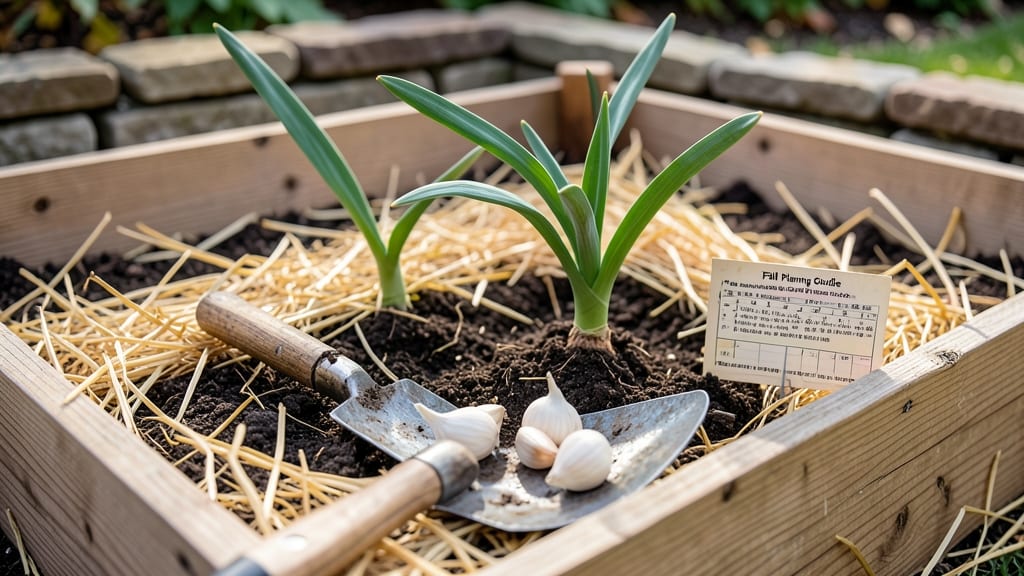
Planting garlic in South Texas isn't just about timing—it's about outsmarting the region's unpredictable winters. With average frost dates creeping into mid-December, you've got a narrow window to get those cloves in the ground before the cold sets in.
The key is knowing exactly when to plant for zero-frost survival and maximum bulb size, whether you're in Houston, San Antonio, or the Rio Grande Valley.
Most gardeners here make one critical mistake: waiting too long into winter. But the truth is, fall planting in October or November gives your 🧄 the best shot at developing strong roots before temperatures dip.
That means bigger bulbs come spring, not tiny, stunted ones. And yes, you can still plant in early winter—just adjust your approach for South Texas's mild (but not frost-free) climate.
What separates successful South Texas garlic growers from the rest? It's not just about dates—it's about soil prep, mulching strategies, and even variety selection. Hardneck varieties might struggle in our heat, while softnecks often thrive.
I'll show you exactly which types to choose and how to tweak your planting schedule based on your local microclimate.
Ready to grow garlic that rivals what you'd find at the store? Let's break down the exact planting windows, soil tricks, and heat hacks that will give you flavorful, large bulbs—no matter where you are in South Texas. Your spring harvest starts with these simple steps.
South Texas garlic planting deadlines by variety (zero-frost survival guide)
South Texas’s mild winters and warm fall nights create a perfect microclimate for growing garlic—but timing is everything. Unlike northern regions, we don’t have to worry about hard freezes, but heat stress and humidity can still sabotage your crop if planted at the wrong time.
The key? Planting hardneck vs. softneck varieties in their ideal windows to maximize bulb size before spring harvest.
Most South Texas gardeners (USDA Zones 9a-10a) can safely plant garlic October through December, with a second window in January-February for late bloomers. However, Rio Grande Valley growers (Zone 10a) can extend planting into early January without frost risk.
The critical factor isn’t frost—it’s daylength and heat tolerance.
| Variety Type | Best Planting Window | Microclimate Notes | Bulb Maturity Time | Key Consideration |
|---|---|---|---|---|
| Hardneck (e.g., 'Music', 'German White') | October 15 - November 15 | Ideal for Houston/San Antonio (cooler winters). Needs 60-80°F temps for root growth. | 240-270 days | Plant early to avoid spring heat stress before harvest. |
| Softneck (e.g., 'Artichoke', 'Silverskin') | November 1 - December 15 | Best for Rio Grande Valley (warmer winters). Tolerates 70-85°F better. | 270-300 days | Later planting extends bulb development into spring. |
| South Texas Adjustments: Add 2-4 weeks to northern planting charts! | ||||
| Hardneck (Late Window) | January 10 - February 1 | Only for Zone 10a (Valley). Harvest by May 15 before summer heat. | 180-210 days | Smaller bulbs but escape summer heat. |
| Softneck (Extended) | December 15 - January 10 | Works in San Antonio/Houston with mulch protection. | 240-270 days | Prioritize drainage to prevent rot. |
For Houston and San Antonio, aim to plant hardneck varieties by November 1 to ensure bulbs mature before the spring heat spike in April. These areas experience cooler winters (avg. lows of 40-50°F), which hardnecks handle well, but delayed planting risks stunted growth from 90°F+ days in March.
In the Rio Grande Valley, where winters rarely drop below 50°F, softneck garlic thrives with December planting. The Valley’s longer growing season allows bulbs to develop over 300 days, but avoid planting after January 15—summer’s 100°F+ heat will stress plants before harvest.
Pro tip: Use mulch (straw or leaves) to insulate soil and maintain consistent moisture. In Houston’s humidity, add a 2-inch mulch layer to prevent fungal diseases like white rot. For Valley gardens, focus on drainage—softnecks rot quickly in waterlogged soil.
If you miss the fall window, don’t panic—January planting still works for smaller but flavorful bulbs. Just reduce spacing to 4 inches apart and water deeply weekly to compensate for shorter growth time. Harvest these late plants by May 1 before the monsoon season arrives.
Remember: Garlic needs 6+ hours of sun daily, but South Texas’s intense afternoon sun can scorch leaves. Plant in partial shade (e.g., morning sun + afternoon shade) if your garden gets hotter than 95°F. Use drip irrigation to keep foliage dry and disease-free.
For maximum bulb size, pair your planting date with soil prep: Work in 2 inches of compost and a balanced 5-5-5 fertilizer at planting.
Avoid nitrogen-heavy amendments—they promote leafy growth over bulbs. In clay-heavy soils (common in San Antonio), mix in sand or perlite for better drainage.
Track your local frost dates using the National Weather Service—even though South Texas rarely freezes, unexpected cold snaps (below 32°F) can damage young plants. If frost is forecasted, cover garlic with cardboard or burlap for 24 hours to protect emerging shoots.
Harvest hardneck varieties when lower leaves brown (typically April-May) and softnecks when bulbs reach 1-2 inches in diameter. Cure them in a dry, shady spot for 2-3 weeks before storing
How to adjust planting time for South Texas heat and humidity
South Texas’s warm fall nights and high humidity create a tricky balance for garlic growers. Unlike northern climates, our garlic doesn’t need cold dormancy—it just needs consistent moisture and moderate temperatures to develop those plump bulbs. Plant too early, and you risk heat stress before winter sets in.
Wait too long, and your garlic won’t have enough time to establish roots before spring arrives. The solution? Adjust your planting schedule based on soil temperature, humidity levels, and your local microclimate.
For most of South Texas (USDA Zones 9a-10a), the ideal planting window stretches from mid-October to mid-December. But here’s the catch: if you’re in the Rio Grande Valley, where winters are even milder, you can push planting into early January.
Meanwhile, gardeners in San Antonio or Austin might want to start as early as late September to beat the heat. The key is watching soil temperatures—they should hover between 60°F and 70°F at planting time.
- October Planting: Best for early-maturing varieties like Silverskin. Soil stays warm, but nights cool enough to prevent stress. Mulch heavily to protect from late-season heat spikes.
- November Planting: Ideal for most softneck varieties. Cooler temps slow growth slightly, but roots establish before winter. Water deeply every 7-10 days to combat humidity-related fungal risks.
- December-January Planting: Works for Rio Grande Valley or late starters. Use row covers if frost threatens. Prioritize well-draining soil to prevent waterlogging from winter rains.
- Soil Prep Hack: Mix in compost and sand (1:1 ratio) to improve drainage. South Texas clay holds too much moisture, leading to rotting cloves.
- Mulching Tip: Apply 4-6 inches of straw after planting. In high-humidity areas, add a thin layer of pine straw on top to reduce fungal spores.
Adjusting your planting time isn’t just about dates—it’s about reading the microclimate. For example, if you’re in Houston, aim for late October to early November to avoid the brutal September heat. In San Antonio, where nights cool faster, you can push planting into mid-November.
The goal is to give your garlic 8-10 weeks of root growth before spring’s rapid warming kicks in. This ensures bulbs reach 1-2 inches in diameter by harvest time.
Humidity is your biggest enemy in South Texas, so irrigation timing matters. Water your garlic deeply in the morning to let foliage dry before evening. Avoid overhead sprinklers—drip irrigation or soaker hoses keep leaves dry and reduce fungal diseases like white rot.
If you notice leaves curling or turning yellow, it’s a sign of excess moisture. Cut back on watering until the soil dries out slightly. In contrast, if your soil is sandy (common in the Valley), you’ll need to water more frequently to prevent drought stress.
Don’t overlook the power of mulching in our humid climate. A thick layer of straw or wood chips (3-4 inches) insulates soil, keeping roots cool in summer and warm in winter. For extra protection, top it with a light layer of pine straw—it repels moisture and deters pests.
If you’re planting in December or January, use black plastic mulch to absorb heat and speed up early growth. Just remember to remove it in late winter to avoid overheating the soil.
Finally, variety selection plays a role in adjusting your planting time. Softneck varieties like Artichoke or Silver White handle South Texas’s heat better than hardnecks. If you’re planting in late fall or winter, opt for these types—they mature faster and tolerate warmer soil temperatures.
For early October plantings, hardnecks like Rockstar can work, but they’ll need extra shade during peak summer months. Always buy organic, untreated cloves from a local nursery to avoid introducing pests to your garden.