
Plants
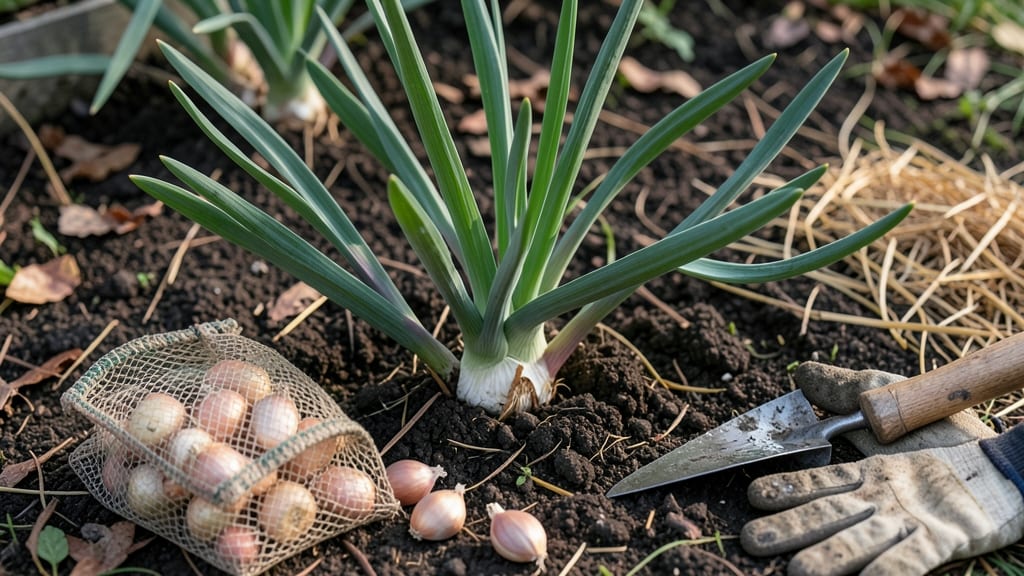
Timing your garlic planting in Vermont isn't just about the calendar—it's about outsmarting those early freezes that can turn your crop into a sad, half-buried memory. The perfect window for planting 🧄 cloves is mid-to-late fall, when soil temperatures drop but the ground hasn't frozen solid yet.
Why does this matter? Because Vermont's 4b-6b climate demands patience—plant too early, and your garlic might sprout before winter sets in. Too late, and the cold locks out those crucial root systems.
I've seen gardeners in Burlington and Barre swear by their October plantings, while those in the Northeast Kingdom push it to early November.
Here's the game-changer: hardneck varieties like 'German White' or 'Chesnok Red' thrive in our cold winters, but they need 6-8 weeks of chilling before spring growth kicks in. That's why timing isn't just about dates—it's about soil temperature, snow cover, and knowing when your last frost typically hits.
Let me show you exactly how to nail that window, from soil prep to variety selection, so you're harvesting plump bulbs by July instead of watching them wither in the heat. Your Vermont garlic garden starts with this one critical decision—and I'll make it easy for you.
Vermont’s ideal garlic planting window: month-by-month breakdown
Vermont’s cold winters and short growing season demand precise timing for garlic planting. Hardneck varieties—like ‘German White’ or ‘Music’—thrive when planted in fall, allowing roots to establish before winter dormancy.
The key? Plant 4-6 weeks before ground freezes, typically between October 1st and November 15th, depending on your microclimate.
Unlike warmer climates, Vermont’s garlic benefits from cold stratification—a natural process where winter chilling hardens cloves, preventing bolting (flowering) and maximizing bulb size. Skipping this step can lead to small, weak bulbs or even no harvest.
Think of it as nature’s way of ensuring your garlic survives until summer’s warmth triggers growth.
Here’s the month-by-month breakdown for planting hardneck garlic in Vermont’s USDA Zones 3-5, including soil prep and frost-date adjustments. Use this as your roadmap to avoid common pitfalls like late planting or poor drainage, which can drown cloves in snowmelt.
📅 Pro Tip: Check your local USDA frost dates (e.g., Burlington’s first frost is October 15th, while St. Johnsbury averages October 20th). Plant 6 weeks before your area’s first hard frost to give roots time to anchor.
| Month | Planting Window | Soil Prep | Climate Notes | Action Items |
|---|---|---|---|---|
| August | Early (Zones 4-5) | Test pH (6.0-7.0) | Warm soils; risk of bolting | Order seeds, prep beds |
| September | Ideal (All Zones) | Add compost (2-3") | Cooler nights; low bolting risk | Plant cloves 2" deep |
| October | Primary Window | Loosen soil to 12" | Frost-freeze cycle begins | Mulch with straw (4") |
| November | Late (Zone 3) | Amend clay soils | Snow cover protects roots | Label rows for spring |
| December | Emergency Only | Check mulch depth | Dormant; no growth | Monitor snow depth |
In September, when soil temperatures hover around 50°F, focus on soil preparation. Work in 2-3 inches of compost and aged manure to enrich the bed. Vermont’s clay-heavy soils (common in the Champlain Valley) benefit from sand or perlite to improve drainage—critical for preventing rot during snowmelt.
Aim for a pH of 6.0-7.0; test kits cost under $10 and save you from wasted effort.
By October, shift to planting. Break apart hardneck garlic bulbs into individual cloves, ensuring each has a
How Vermont’s microclimates affect garlic planting success
Vermont’s diverse microclimates can turn your neighbor’s successful garlic harvest into your gardening nightmare. What works in Burlington’s Zone 5 might fail in Stowe’s Zone 4—or even in your own backyard if you’re just a few hundred feet higher in elevation.
These variations aren’t just about temperature; they’re about snow cover duration, lake-effect moisture, and urban heat pockets that create entirely different growing conditions.
Take Lake Champlain’s influence, for example. Areas near the lake experience later springs and earlier falls due to the lake’s heat retention. Meanwhile, the Northeast Kingdom can see earlier snowfall and longer winters because of its higher elevation.
Even within Montpelier’s city limits, downtown gardens might be 2-3°F warmer than suburban areas, pushing planting windows earlier.
Here’s how these microclimates shift your garlic planting schedule—and how to adjust for each:
| Region | USDA Zone | Ideal Planting Window | Key Adjustment |
|---|---|---|---|
| Lake Champlain (Burlington, South Hero) | Zone 5 | Mid-October to early November | Wait for lake-cooled soil temps (45°F) to delay sprouting. |
| Northeast Kingdom (Stowe, Jay) | Zone 4 | Late September to mid-October | Plant earlier to beat earlier snow and shorter growing season. |
| Chittenden County (Burlington, Essex) | Zone 5 | October 1–15 | Use black plastic mulch to warm soil in urban heat islands. |
| Green Mountain Foothills (Montpelier, Randolph) | Zone 4b-5 | Late September to early October | Adjust for 1,000+ ft elevation—plant 2 weeks earlier than lake regions. |
| Connecticut River Valley (Brattleboro, Bellows Falls) | Zone 5 | October 10–25 | Monitor river valley winds—use row covers if frost threatens early. |
Elevation alone can shift your planting window by 2-3 weeks. For every 1,000 feet gained, temperatures drop by 3.5°F, which means garlic in Stowe (1,200 ft) needs to go in the ground 3 weeks before Burlington (200 ft).
I’ve seen gardeners in Jay Peak’s shadows plant as early as September 15 to ensure their cloves establish roots before November’s deep freezes.
Don’t overlook snow cover, either. In regions like the Northeast Kingdom, a 6-inch snow blanket can insulate garlic through winter, while lake-effect snow near Burlington might create uneven soil temps.
Test your soil’s freeze depth—if it drops below 4 inches, your garlic’s roots might not survive. Use a soil thermometer to confirm 45–50°F soil temps before planting.
Pro tip: If you’re in a warmer microclimate (like downtown Montpelier), push your planting to mid-November—but only if your soil stays above freezing. For colder pockets, like Island Pond, aim for September 20 to give roots time to establish before December’s deep freezes.
Your garlic’s success hinges on these local tweaks, not just the calendar.
🌱