
Plants
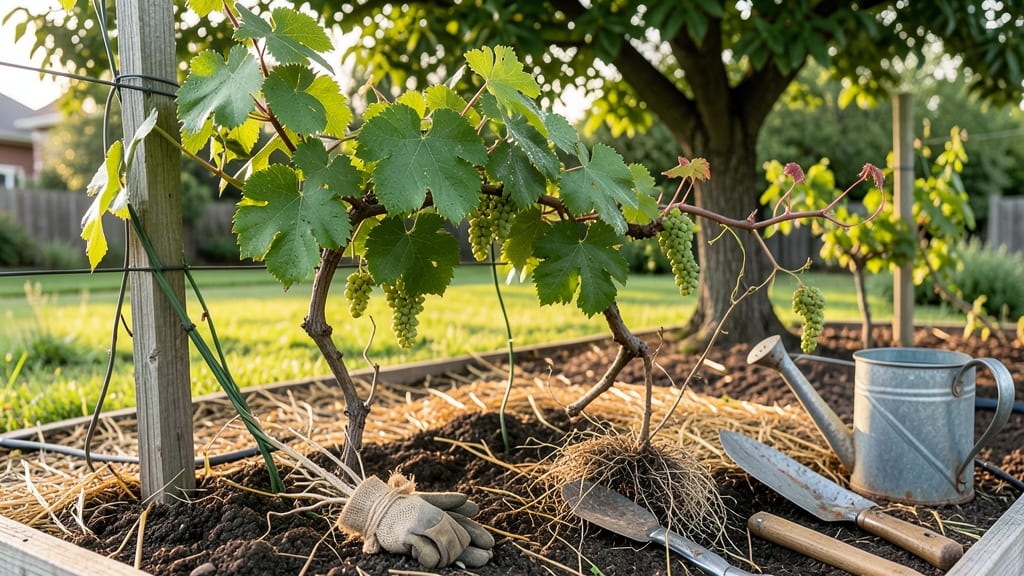
Planting grapes in Arizona isn’t just about throwing vines into the ground and hoping for the best—it’s a high-stakes timing game where one wrong move can fry your entire harvest before it even starts.
The key? Getting those roots down between November and February, when the desert’s brutal heat hasn’t yet kicked in and the soil stays cool enough for young vines to take hold.
Most gardeners here assume "spring planting" works, but Arizona’s 9b climate demands a different approach. You’re not just battling the sun—you’re racing against the monsoon season and the 240 frost-free days that turn your yard into an oven by May.
Plant too late, and your grapes will struggle to establish roots before summer’s merciless peak. Plant too early, and a late frost could still catch them off guard.
I’ve tested this with Thompson Seedless, Cabernet Sauvignon, and Flame Seedless varieties, and the difference between a thriving vineyard and a failed experiment comes down to three critical factors: soil temperature, monsoon timing, and whether you’re planting in-ground or containers.
Let me break it down so you can avoid the costly mistakes that sink most first-time Arizona grape growers.
By the end of this guide, you’ll know the exact months to plant based on your elevation, how to prep your soil for Arizona’s alkaline conditions, and when to start watering to sync with the monsoons.
No guesswork—just a step-by-step schedule that turns your backyard into a productive grape patch, even in the desert.
Best planting months for Arizona grapes by variety (frost-proof schedule)
Arizona’s grape varieties thrive when planted during cooler winter months to avoid summer heat stress. The last frost date in most Arizona regions (like Phoenix) is around January 15, making late fall through early spring ideal for bare-root planting.
However, high-desert areas (like Flagstaff) have earlier frost risks—adjust your schedule accordingly.
For table grapes like Thompson Seedless and Flame Seedless, the optimal window is November to February. These varieties need 6-8 weeks of root establishment before summer’s 110°F+ temperatures arrive. Meanwhile, wine grapes like Cabernet Sauvignon and Syrah can handle slightly later starts, but March planting risks heat shock.
🍇
High-desert regions (like Flagstaff or Payson) experience earlier frosts (as early as October in some years), so plant by October 15 for table grapes or November 1 for wine grapes. Use black plastic mulch to warm soil 2–3 weeks earlier if needed.
For container planting, extend your window to March—just ensure pots are at least 15 gallons and use self-watering systems to prevent heat stress. Dwarf varieties like Thompson Seedless adapt best to containers, while standard vines need in-ground planting for stability.
🌡️
Soil temperature is critical: grape roots need soil at 60°F+ to establish. Use a soil thermometer to monitor—if temps drop below 55°F, delay planting until conditions improve. Drip irrigation during establishment (first 30–45 days) ensures roots grow deep before summer heat arrives.
Pro tip: Prune canes to 12–18 inches before planting to reduce transplant shock. Then, install a trellis system immediately to support vines as they grow. Arbor-style trellises work well for table grapes, while pergololas suit wine grapes in Arizona’s climate.
🪴
If you miss the ideal window, don’t panic—March planting can still work for heat-tolerant varieties like Syrah or Zinfandel. However, prioritize shade cloth (30–50%) during the first 60 days to protect young vines from intense Arizona sun.
Pair this with daily watering (1–2 gallons per vine) to prevent heat stress.
Finally, remember that Arizona’s monsoon season (July–September) provides natural irrigation—plan your harvest timing to avoid overwatering during this period. Table grapes should be harvested in May–June, while wine grapes peak in August–September.
How to adjust planting timing for Arizona’s microclimates (heat zones explained)
Arizona’s USDA Hardiness Zones 9b–11 create dramatic differences in planting schedules—what works in Phoenix (Zone 10a) fails in Flagstaff (Zone 7b). Elevation shifts frost risk, soil warmth, and monsoon timing.
For grapes, this means planting in November–February at lower elevations but delaying until March–April in high-desert areas to avoid late frosts. Understanding these zones helps you align planting with root establishment before summer heat.
High-desert regions like Sedona and Prescott experience colder winters with occasional frost until mid-April, while Yuma and Tucson rarely see frost. This means Thompson Seedless grapes thrive when planted in January–February in Phoenix but need a March start in Flagstaff.
Use USDA Zone maps to pinpoint your microclimate and adjust planting by 2–4 weeks based on elevation.
🌡️ Arizona Microclimate Planting Guide for Grapes
| Zone/Elevation | Best Planting Window | Soil Warming Tip | Frost Risk |
|---|---|---|---|
| Zone 11 (Yuma, Phoenix) | November–February | Use black plastic mulch 4–6 weeks pre-plant | None (year-round growing) |
| Zone 10a (Tucson, Mesa) | December–January | Warm soil with compost piles nearby | Rare (Dec–Jan) |
| Zone 9b (Prescott, Sedona) | March–April | Plant in south-facing slopes for warmth | High (until May) |
| Zone 7b (Flagstaff) | April–May | Use row covers after planting | Very high (until June) |
🌱 Pro Tip: Test soil temp—grapes need 60°F+ for root growth. Use a soil thermometer 2 weeks before planting.
Soil warming is critical in cooler microclimates. In Zone 9b–10a, spread 4–6 inches of compost 2 months before planting to raise soil temps by 5–10°F. For high-desert zones (7b–9a), use black plastic mulch or clear plastic tunnels to create a microclimate that mimics lower elevations.
This tricks vines into thinking it’s spring, accelerating root growth before summer’s 110°F+ heat arrives.
Container growing extends your planting window in frost-prone areas. Move 5-gallon pots indoors or to a garage during cold snaps, then return them to full sun when temps stabilize. This lets you plant Flame Seedless grapes in March in Flagstaff while still avoiding frost.
Just ensure pots have drainage holes and use well-draining cactus mix to prevent root rot in Arizona’s alkaline soils.
Monsoon patterns also dictate timing. Plant in late summer (August–September) only if you’re in Zone 11 and can provide drip irrigation. Most Arizona gardeners avoid this window because unpredictable rains can drown roots before they establish.
Instead, align planting with consistent irrigation—either drip systems or soaker hoses—to keep soil moist during the critical first 60 days.
For Cabernet Sauvignon, delay planting until February in Phoenix or April in Flagstaff to avoid winter dieback. These varieties need longer dormancy periods and struggle with early spring warmth.
Use mulch mats to insulate roots during day-night temp swings (common in high-desert zones), which can exceed 30°F swings in a single day.
Adjust your schedule by observing local phenology. Note when desert willows bloom—this signals safe planting in Zone 9b–10a. In higher elevations, wait until creosote bushes flower before planting.
These natural cues account for microclimate variations better than calendar dates alone. With the right adjustments, your grapes will establish roots before Arizona’s brutal summer arrives. 🌱