
Plants
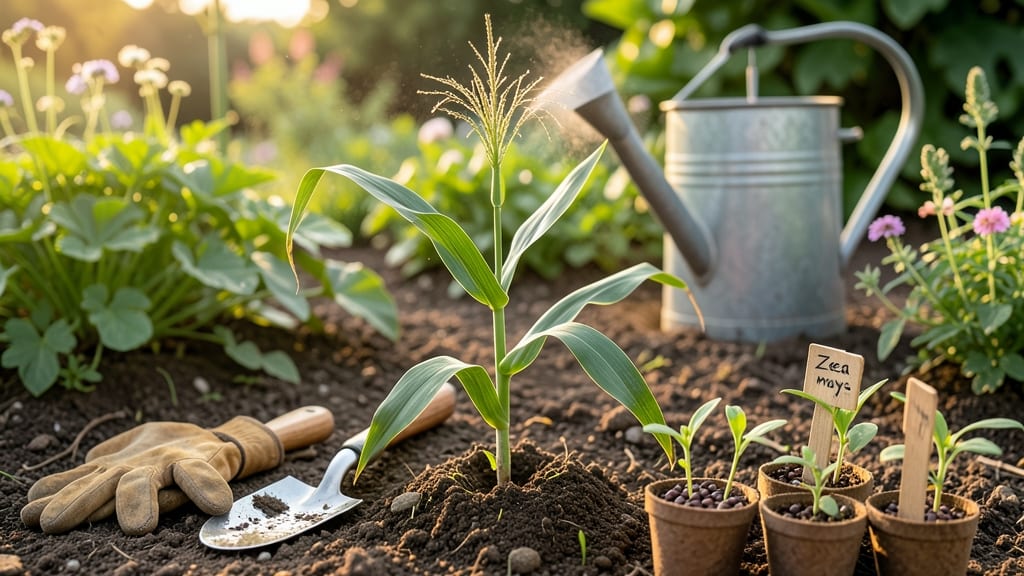
Planting corn in California at the right time can make all the difference between a thriving garden and a missed harvest—especially when SoCal’s warm coastal breezes meet the North’s cooler spring air.
The perfect window depends on where you live, but getting it wrong risks stunted growth or even frost damage before your 🌽 reaches maturity.
Most gardeners in California’s mild coastal regions can start seeds indoors as early as February, while those in the cooler inland valleys should wait until late March or April.
The key? Soil temperatures need to stay above 50°F for at least a week before planting—colder soil slows germination and invites rot.
In this guide, I’ll break down the best planting times for your specific zone, from the Central Coast to the Sacramento Valley, plus pro tips for succession planting and variety selection.
Whether you’re a first-time grower or a seasoned gardener, these insights will help you time your planting like a pro.
Ready to grow sweet, juicy corn that’s ready for the table? Let’s dive into the exact steps to align your planting with California’s unique climate—so you can enjoy a summer harvest without the guesswork.
California corn planting zones: SoCal vs. Northern California timelines & best months
California’s diverse climate creates wildly different planting windows for corn—from SoCal’s mild winters to Northern California’s chilly springs. The key to success? Matching your planting schedule to local frost dates and soil temperatures between 50–60°F for germination.
In this guide, I’ll break down the best months for each region, so you can avoid frost damage and maximize your harvest.
Corn thrives in warm soil, but California’s microclimates mean SoCal gardeners can plant as early as February, while Northern California growers may need to wait until late April or May.
Understanding your last-frost dates and elevational differences (like the Bay Area’s coastal fog vs. Sacramento’s inland heat) is critical. Let’s dive into the specifics for each zone.
🌽 Pro Tip: Always plant after the last frost date—corn is frost-sensitive and won’t tolerate temperatures below 50°F. Use a soil thermometer to confirm warmth before sowing.
In Southern California, where winters are mild, you can start planting early sweet corn varieties as soon as February, but hold off until April for dent corn varieties that need more heat.
The Central Coast has a shorter window due to coastal fog, so focus on April–May plantings for the best results. Meanwhile, Northern California’s cooler springs delay planting until May or June, making short-season varieties a must.
For Sacramento Valley and Central Valley growers, the April–June window works well, but be mindful of heat stress in late summer. If you’re in higher elevations (like the Sierra foothills), stick to May–June plantings to avoid late-spring frosts. Always check your local USDA Plant Hardiness Zone for finer adjustments.
One critical mistake I see often? Planting too early in cooler zones and watching seeds rot in cold soil. Corn seeds need consistent warmth to germinate—if your soil is below 50°F, wait it out.
Use a soil thermometer or the back-of-the-hand test (if the soil feels cool to touch, it’s not ready).
If you’re in SoCal and want a fall harvest, try a second planting in July for late-season varieties like ‘Golden Bantam’. In Northern California, a succession planting every 2 weeks in May–June can stretch your harvest from August to October.
Just remember: corn needs space—plant in blocks, not rows, to ensure cross-pollination.
Finally, don’t forget that water stress can delay germination. In drought-prone areas like the Central Valley, mulch heavily after planting to retain moisture. And if you’re in foggy coastal zones, choose disease-resistant varieties like ‘Silver Queen’ or ‘Peaches and Cream’ to avoid fungal issues.
With these region-specific timelines and soil temperature tips, you’re ready to plant corn that’s sweet, tender, and bountiful—no matter where you garden in California. Happy planting! 🌱
Soil temperature & corn germination: how to test & adjust planting for faster growth
Corn seeds need consistent warmth to germinate properly, and California’s varied climates make soil temperature a critical factor. In Northern California, cool springs can delay germination, while SoCal’s mild winters might trick you into planting too early.
The ideal soil temperature for corn seeds is between 50–60°F—any colder, and germination slows or stops entirely.
Even if air temperatures feel spring-like, the ground may still be too cold. I’ve seen delayed sprouting when seeds were planted in 55°F soil—they eventually emerged, but the plants struggled to catch up.
Testing your soil temperature before planting can save you weeks of frustration and ensure a stronger, faster-growing crop.
⚠️ WARNING: Cold Soil Stalls Germination! ⚠️ Corn seeds require consistent warmth to break dormancy.
Planting in soil below 50°F risks: - Slow or uneven germination (weak seedlings) - Higher susceptibility to disease (fungal rot in damp soil) - Wasted seeds (if they fail to sprout at all) Solution: Wait until soil reaches 55–60°F (use a soil thermometer or DIY test—see below).
If your soil is too cold, try black plastic mulch or row covers to warm it faster.
To test soil temperature without a thermometer, dig a 6-inch hole in your garden bed and feel the soil with your hand. If it feels cooler than your wrist (around body temperature), it’s likely too cold for corn.
For a more precise method, bury a thermometer for 30 minutes—this mimics the seed’s environment.
If your soil is too cold, don’t panic!
You can speed up warming with these methods: - Black plastic mulch: Lays directly on soil, absorbing sunlight and raising temps by 10–15°F in days. - Row covers: Lightweight fabric traps heat while allowing sunlight through—great for Northern California gardens. - Mulch with straw: Adds a few degrees over time and retains moisture.
Once your soil hits the sweet spot, plant seeds 1–1.5 inches deep and keep them moist (not soggy). Watering too deeply can wash seeds away or compact soil, slowing germination. A light misting with a spray bottle keeps seeds hydrated without disturbing them.
If your corn seeds still haven’t sprouted after 2 weeks, check for these common issues:
- Too cold? Wait and retest soil temps.
- Too dry? Seeds need consistent moisture—water gently daily.
- Rot? Overwatering or fungal issues may have killed seeds—try replanting in fresh soil.
- Pests? Mice or birds might have eaten seeds—cover rows with netting if needed.