
Plants
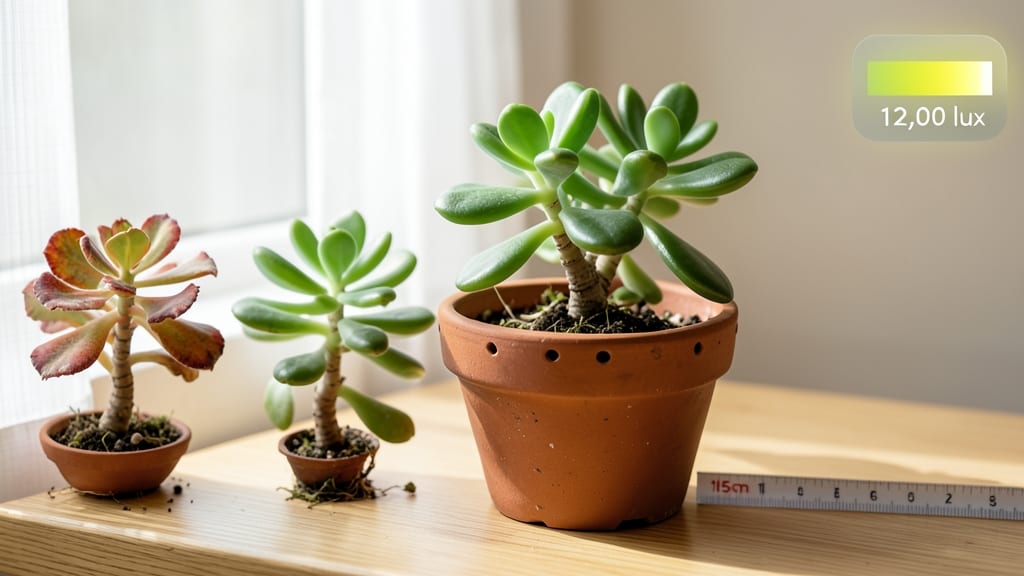
Want to know how much light does a jade plant require to stay lush and vibrant without turning into a crispy mess? Getting the light just right is the key—too little, and your plant stretches out like a sleepy cat; too much, and those pretty leaves turn into sunburnt paper.
Most Jade Plants thrive in bright indirect light, but they can handle a few hours of morning sun without fuss. The trick is finding that sweet spot where your plant gets enough energy to grow but doesn’t fry under harsh rays.
Whether you’re dealing with a south-facing window or a shady corner, I’ve got the exact tips to keep your Jade Plant happy and healthy.
If you’ve ever watched your Jade Plant’s leaves turn pale or develop brown patches, you’re not alone. These are classic signs of light stress—and they’re easier to fix than you think.
I’ll walk you through how to spot the warning signs and adjust your plant’s lighting like a pro, so you can enjoy those glossy leaves year-round.
From rotating your plant for even growth to using sheer curtains for extra protection, there are simple ways to create the perfect light environment. Let’s dive into the details so your Jade Plant can shine—literally—without any guesswork.

Ideal light requirements for jade plants: bright indirect sunlight explained
Jade plants (Crassula ovata) thrive in bright indirect sunlight, but they’re surprisingly adaptable once you understand their light preferences. Unlike delicate succulents, they tolerate 2-3 hours of morning sun without burning, making them perfect for indoor growers with south-facing windows—or even outdoor spots with dappled shade.
The key is avoiding harsh afternoon sun, which can scorch their thick leaves and cause irreversible damage.
Think of your jade plant’s light needs like a goldilocks zone—not too dim (which causes leggy growth) and not too intense (which leads to sunburn). In my own collection, I’ve found that placing them 2-3 feet from an east or west window delivers the perfect balance of light intensity.
This mimics their natural habitat in South Africa, where they grow under shrubs that filter the sun’s harshest rays.
Here’s the critical detail: light duration matters just as much as intensity. Jade plants need 4-6 hours of total light daily, but this should be spread out. For example, a 6-hour stretch of dim morning light is better than 3 hours of scorching afternoon sun.
This distinction is why many indoor growers struggle—they assume "more light is better," but jade plants rebel against excessive direct exposure.
Seasonal adjustments are non-negotiable for outdoor jade plants. In spring and fall, when sunlight is gentler, you can gradually introduce them to more direct light—start with 1 hour of morning sun and increase by 30 minutes weekly.
But by summer, move them to partial shade (like under a patio umbrella) to protect them from the intense 90°F+ temperatures that cause heat stress.
Indoor growers often make the mistake of assuming all windows are equal. A south-facing window delivers the most light, but it’s also the most likely to cause sunburn. My trick? Place a sheer white curtain between the plant and the window to diffuse harsh rays while maintaining brightness.
For north-facing windows, supplement with a LED grow light for 4-6 hours daily to prevent etiolation (the stretched, weak growth that screams "I’m desperate for light!").
Pro tip: Rotate your jade plant weekly by 90 degrees. This ensures even growth since plants naturally lean toward their light source.
I swear by this habit—my jade plants stay bushy and symmetrical, while my neighbor’s (who never rotates theirs) looks like it’s bowing toward the window like a sun-worshipping disciple.
If you’re still unsure about your space, perform a simple shadow test: Hold a white piece of paper near your plant’s usual spot. If the shadow is sharp and dark, the light is too direct.
If it’s soft and fuzzy, you’ve found the sweet spot. This trick saved my first jade plant from a sunburned demise—now I use it religiously before repotting.
Remember, jade plants are succulents, which means they store water in their leaves. This adaptation also makes them resilient to light fluctuations, but don’t push your luck.
A well-lit jade plant will reward you with thick, vibrant leaves and occasional tiny pink or white flowers—a true testament to your lighting prowess.
🌿
Signs your jade plant isn’t getting enough (or too much) light
Your jade plant sends clear signals when its light conditions are off. One of the first red flags is leggy growth, where stems stretch out thinly toward the light source. This happens when your plant isn’t getting enough bright indirect sunlight and starts reaching for more energy.
The leaves may also become smaller and spaced farther apart as the plant focuses on height rather than fullness.
On the flip side, too much direct sunlight causes brown or white patches on leaves, almost like sunburn. These spots often appear on the side of leaves facing the sun.
If ignored, the damage can spread, turning leaves crispy and brittle. Your plant might also drop leaves unexpectedly as a last-ditch effort to protect itself from harsh rays.
Another telltale sign is color changes. Jade plants typically have deep green leaves, but insufficient light causes them to turn pale or yellowish. This is your plant’s way of saying it’s not getting enough energy to produce chlorophyll.
Conversely, leaves exposed to intense afternoon sun may develop a reddish or purplish tint, especially on the edges.
⚠️ How Much Light Does a Jade Plant Require?
Jade plants thrive in bright indirect light (4-6 hours daily) but can tolerate 2-3 hours of morning sun. Avoid harsh afternoon sun, which causes sunburn. Ideal spots include east or west-facing windows—never deep shade or direct southern exposure without protection.
If your jade plant develops pale, stretched stems, it’s begging for more light. Move it closer to a sunny window or supplement with a grow light for 6-8 hours daily.
Rotate the pot quarter-turn weekly to prevent uneven growth toward the light source. For plants in low-light rooms, a sheer curtain can diffuse harsh rays while still providing enough brightness.
When leaves start curling or puckering, it’s often a sign of overwatering combined with poor light. The plant struggles to photosynthesize, causing stress. In this case, reduce watering and move the plant to a brighter location immediately.
Let the soil dry out completely between waterings to prevent root rot while you adjust the lighting.
Pay attention to new growth as well. Healthy jade plants produce compact, plump leaves with vibrant color. If new leaves are small, thin, or pale, your plant isn’t getting enough light.
Conversely, if they’re overly large with weak stems, it’s likely getting too much shade. Balance is key—aim for moderate brightness where leaves stay firm and glossy.
For outdoor jade plants, seasonal changes matter. In summer, provide afternoon shade to prevent sun damage, while winter’s weaker light may require moving the plant indoors near a south-facing window. Keep an eye on your plant’s growth patterns year-round—they’ll tell you exactly what adjustments to make.