
Plants
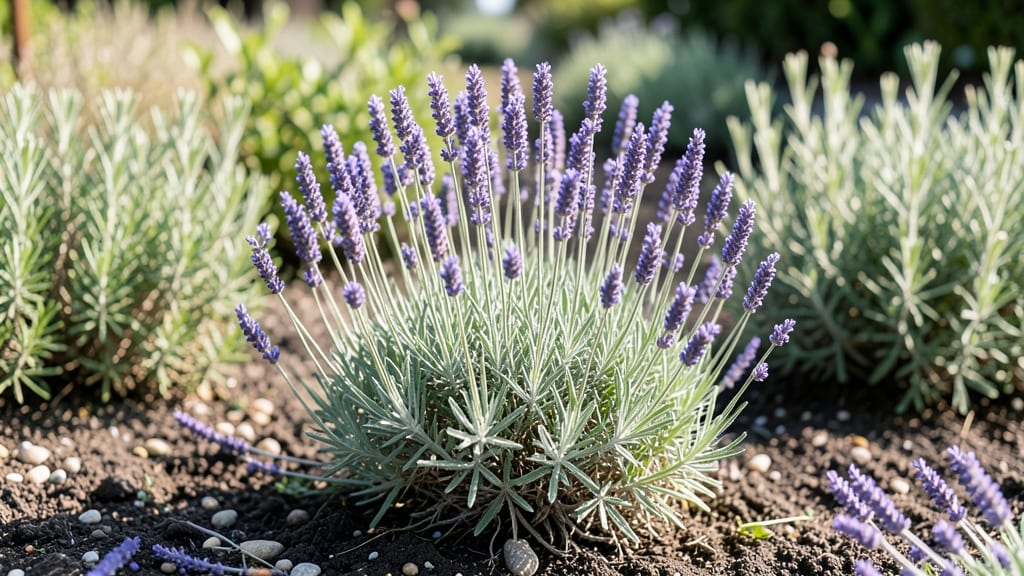
Wondering how tall does a lavender plant grow and whether it’ll fit your garden vision? The answer isn’t one-size-fits-all—some varieties stay compact at just 8 inches, while others reach 5 feet or more with the right care.
If you’re planning a fragrant border or a low hedge, dwarf varieties like 'Hidcote' or 'Munstead' are perfect, topping out around 1-2 feet.
But for a dramatic backdrop or privacy screen, varieties like 'Grosso' or 'Provence' can soar to 3-5 feet—though they’ll need proper pruning to stay in check.
What you’ll discover here is how to choose the right lavender for your space, plus the key factors that influence height—from sunlight and soil to pruning habits.
Whether you’re working with containers or full garden beds, these insights will help you grow lavender that’s just the right size for your needs.
Ready to transform your garden with fragrant, well-proportioned lavender? Let’s break down the varieties, care tips, and tricks to keep your plants at their ideal height—without sacrificing beauty or bloom.


Lavender height ranges by popular variety (with visual growth guide)
Choosing the right lavender variety is key to achieving your dream garden layout. Some varieties stay as short as 8 inches, perfect for window boxes, while others can reach 5 feet, ideal for privacy hedges.
The mature height of lavender depends on its species and growing conditions, so let’s explore the most popular options to help you plan your space.
Lavender’s growth habits also vary—some sprawl outward while others grow upright. Dwarf varieties like 'Munstead' stay compact, while tall varieties like 'Grosso' create dramatic vertical interest. Understanding these differences ensures you plant lavender where it will thrive without crowding other plants or overwhelming small spaces.
For small spaces, varieties like 'Munstead' or 'Hidcote' are ideal—they stay under 2 feet tall and wide, making them perfect for window boxes or rock gardens. If you're designing a privacy hedge, 'Grosso' or 'Provence' will reach 3–5 feet, providing both fragrance and height.
Spacing is just as important as height—plant dwarf varieties 12–18 inches apart, while
How to control lavender height naturally (pruning tips for different growth stages)
Keeping your lavender plants at the perfect height isn't just about aesthetics—it ensures healthy growth and longer blooming seasons. Without proper pruning, even compact varieties can become leggy or woody.
The good news? With the right techniques, you can shape lavender naturally while encouraging dense foliage and fragrant blooms year after year.
Timing is everything when pruning lavender. Spring pruning (just after new growth appears) promotes bushier plants, while fall pruning (after blooming) helps maintain shape for winter. Avoid pruning in late summer or early fall—this can stimulate tender new growth that won’t survive frost.
Always use sharp, clean pruners to prevent disease and ensure clean cuts.
⚠️ Common Mistake: Pruning too late in the season can stress lavender, leaving it vulnerable to winter damage. I’ve seen many gardeners make this error, only to watch their plants struggle the following spring. The key is patience—prune at the right time, and your lavender will thrive.
- Spring Pruning: Trim 1/3 of last year’s growth in early spring (March-April) to encourage new shoots. Focus on woody stems and overcrowded areas.
- Post-Bloom Pruning: Cut back spent flower stalks by half their length after blooming (June-July) to maintain shape and prevent seed formation.
- Fall Pruning: Lightly trim dead or damaged stems in late fall (October) to prepare for winter dormancy. Avoid heavy pruning—lavender needs energy reserves for spring.
- Tools Needed: Bypass pruners, sterilized shears, and gardening gloves (lavender oils can irritate skin).
- Avoid: Topping (cutting the top off) or pruning into old wood—this can kill the plant. Always leave healthy green growth at the base.
For dwarf varieties like 'Mini Blue' or 'Hidcote', minimal pruning is needed—just remove dead flowers and spent stems after blooming. These varieties stay compact (8–12 inches) naturally, but even they benefit from a light trim in spring to encourage fuller growth.
If you’re growing lavender in containers, prune more aggressively to control height and encourage branching.
One trick I’ve found works wonders is pinching back young plants when they’re about 6 inches tall. This encourages the plant to branch out instead of growing tall and leggy.
Use your fingers or small pruners to snip just above a set of leaves. Repeat every few weeks until the plant reaches its desired shape.
Remember, lavender is a low-maintenance plant, but it does reward consistent care. With these pruning tips, you’ll keep your lavender at the perfect height—whether you prefer a neat hedge, a bushy border, or a compact container plant.
The key is to prune regularly but lightly, and your lavender will stay healthy and fragrant for years.