
Companion Plants
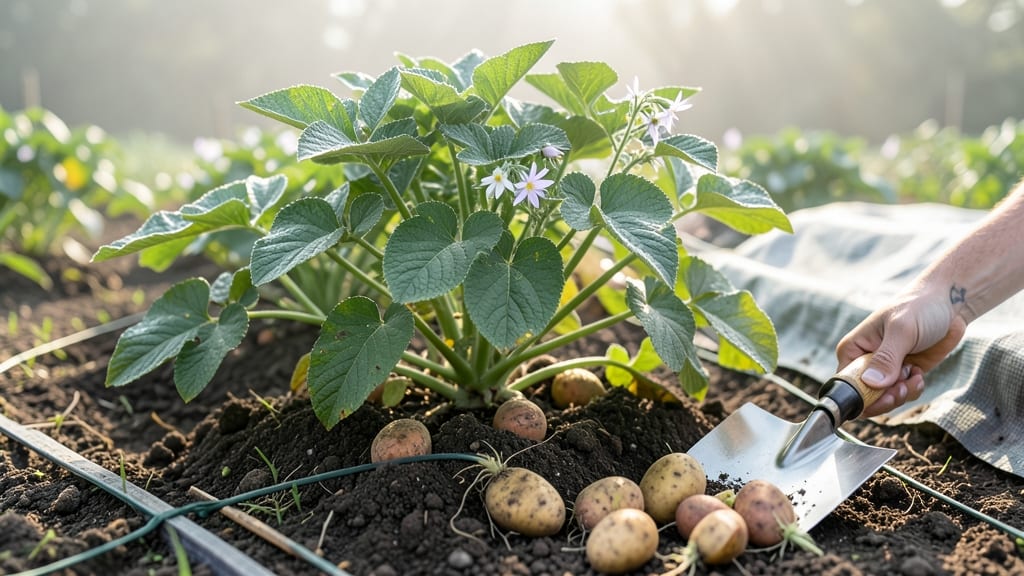
Planting potatoes in Zone 6b at the wrong time can turn your 🥔 dreams into a soggy mess—literally. The key isn’t just waiting for spring; it’s timing the soil temperature perfectly to avoid frost damage while giving your tubers the cool, consistent conditions they crave.
Most gardeners in Zone 6b (think Northern Virginia or parts of Indiana) make the mistake of planting too early when the ground is still cold, only to watch their seed potatoes rot.
But here’s the game-changer: you can start 4–6 weeks before your last frost—as early as March 1 in many areas—if you’re using cold-hardy varieties like Yukon Gold and your soil hits 45°F.
This guide breaks down the exact weeks to plant based on your potato variety, soil prep hacks to warm the ground faster, and how to adjust for those pesky late frosts that love to sneak up in Zone 6b. No more guessing—just a foolproof plan for a harvest that’ll make your neighbors jealous.
Ready to dig in? Let’s turn those 🥔 into a bountiful harvest with timing that’s as precise as it is simple.
Zone 6B potato planting calendar: exact weeks before last frost by variety type
Potatoes in Zone 6B demand precise timing—plant too early, and you risk frost damage or rotting seed potatoes; too late, and your harvest shrinks. The key? Matching soil temperature (not air temp) to your variety’s tolerance.
Cold-hardy types like Yukon Gold can handle 45°F soil, while heat-sensitive Fingerlings need 55°F+ to thrive. Let’s break down the exact planting windows for your Zone 6B garden.
First, find your last frost date—most Zone 6B regions (think Northern Virginia, Indiana, or Missouri) average April 15. Work backward from there using the soil temperature thresholds below.
Pro tip: Use a soil thermometer to confirm temps before planting. If your soil runs cooler than average, adjust your timeline accordingly.
Here’s how to align your planting with potato maturity and frost risk:
| Variety Type | Days Before Last Frost to Plant | Soil Temperature Requirement | Harvest Window After Planting | Zone 6B Example Dates (Avg. Last Frost: April 15) |
|---|---|---|---|---|
| Early (e.g., Yukon Gold, Kennebec) | 4–6 weeks | 45°F–50°F | 90–110 days | March 1–15 |
| Mid-Season (e.g., Red LaSoda, Russian Banana) | 2–4 weeks | 50°F+ | 75–90 days | March 22–April 5 |
| Late (e.g., Red Pontiac, Fingerlings) | 0–2 weeks (or after frost) | 55°F+ | 60–75 days | April 6–20 |
Why the variety-specific approach? Early potatoes like Yukon Gold need the extra time to mature before Zone 6B’s summer heat sets in, while late varieties like Fingerlings can tolerate warmer soil and shorter growing seasons.
For example, if you plant Yukon Gold on March 1, you’ll harvest in late June—just as the weather cools slightly. Late plantings of Red Pontiac in early April yield in late July, avoiding the hottest months.
Zone 6B’s unpredictable spring can throw off even the best-laid plans. If your soil stays below 45°F past March 15, delay planting until temps stabilize. Use black plastic mulch or a cold frame to warm the soil faster if needed.
For heat-sensitive varieties, consider succession planting: Start with early types in March, then add mid-season varieties in late March, and finish with late types in early April.
One common mistake in Zone 6B is relying on air temperature instead of soil temperature. A 50°F morning might feel perfect, but if your soil is still 40°F, your seed potatoes will rot.
Test soil temps at 8 AM for 3 consecutive days—only plant when it’s consistently at the minimum requirement for your variety. For Yukon Gold, that’s 45°F; for Fingerlings, wait for 55°F.
Pro growers in Zone 6B also swear by chitting seed potatoes—pre-sprouting them indoors 4–6 weeks before planting. Place whole seed potatoes in a cool, bright spot (like a sunny windowsill) and watch for 1-inch sprouts.
These early starts give your potatoes a 2-week head start, which is critical if your spring is late. Just avoid letting the sprouts grow longer than 1.5 inches before planting, or they’ll be too large and brittle.
Don’t overlook soil prep—Zone 6B’s clay-heavy soils need amendments to prevent scab disease and improve drainage. Work in 2–3 inches of compost and a 1-inch layer of coarse sand 2 weeks before planting.
Raised beds are another game-changer: They warm up faster in spring and drain better, giving you a 2–3 week earlier planting window. If you’re using raised beds, aim to plant early varieties by February 28 for a jump on the season.
Finally, keep an eye on your harvest timeline. Early potatoes like Kennebec are ready in 90–110 days, so if you plant on March 15, harvest between June 15–July 5.
Late varieties like Fingerlings mature in 60–75 days, so their April 15 planting yields by June 20–July 10. Plan your garden layout to stagger harvests—this way, you’re not overwhelmed with all potatoes at once.
With these variety-specific planting windows and soil temperature guidelines, you’ll dod
How to adjust potato planting for Zone 6B’s unpredictable spring weather
Zone 6B’s spring weather can be a potato grower’s worst nightmare—one day it’s freezing, the next it’s warm enough to plant. The key to success isn’t just timing your planting right; it’s preparing for unpredictable shifts that can turn a thriving crop into a frost-killed mess.
I’ve learned the hard way that even the most experienced gardeners in areas like Northern Virginia or Indiana need a backup plan for those late frosts that love to sneak in.
Here’s my battle-tested strategy: combine soil warming hacks, protective covers, and staggered plantings to create a safety net. Think of it like dressing in layers—you need flexibility to adapt when Mother Nature throws curveballs.
Whether you’re dealing with blackened sprouts from a surprise frost or stunted growth from cold soil, these techniques will help you keep your potatoes on track for a bountiful harvest.
Deploy lightweight frost blankets for 2–3 weeks after planting to protect seedlings from late frosts (below 28°F). Remove during the day once soil warms to 50°F+ to avoid overheating.
Lay black plastic mulch 1–2 weeks before planting to raise soil temperature by 5–10°F. Cut X-shaped holes for planting to avoid disturbing roots—this trick works especially well for early plantings in March.
Stagger plantings every 2 weeks (e.g., March 1, March 15, April 1) to ensure a continuous harvest. This hedges against frost risks and extends your harvest season by up to 6 weeks.
Use a soil thermometer—potatoes need soil temps of 45°F+ to sprout, even if air temps are chilly. Aim for consistency over speed; cold soil is the #1 reason seed potatoes rot in Zone 6B.
Let me share a personal tip: I once planted my Yukon Golds on March 10 in Northern Virginia, only to hit a 25°F night three days later.
The frost cloth saved my seedlings, but I learned to always have a backup plan—like a straw mulch layer (3–4 inches thick) over the soil to insulate roots during cold snaps. This extra step adds 2–3°F of protection and makes a huge difference in marginal conditions.
Another trick I swear by is using clear plastic tunnels over rows. These greenhouse-like structures trap heat during the day and release it slowly at night, giving your potatoes a head start in chilly springs.
I’ve seen soil temps under these tunnels rise by 10–15°F on sunny days, which is a game-changer for early plantings. Just remember to ventilate on warm days to prevent overheating.
Finally, don’t overlook the power of succession planting. By planting a mix of early, mid, and late-season varieties in staggered batches, you create a moving harvest window. This means you’re always pulling fresh potatoes while protecting earlier plantings from late-season heat stress.
In my garden, this strategy has extended my harvest from 6 weeks to nearly 3 months—and that’s a difference that makes a real impact at the farmers’ market.