
Plants
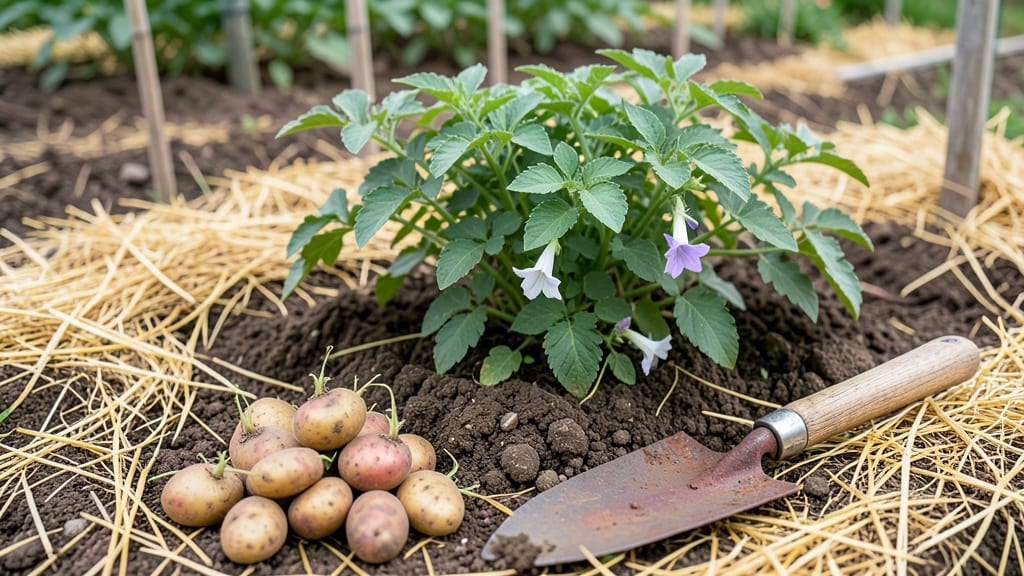
Planting potatoes in Georgia at the wrong time can mean the difference between a bountiful harvest of crisp, homegrown 🥔 and wasted effort. Unlike cooler climates, Georgia's warm springs and long growing season demand precise timing—too early, and frost lingers; too late, and the heat stresses your tubers.
Most gardeners in USDA zones 7b-8b know the general rule: aim for planting between February and March for early varieties, with late varieties following in April or May.
But here's the catch—Georgia's diverse regions (Coastal Plain, Piedmont, and North Georgia Mountains) each have unique frost-free dates that can shift your planting window by weeks.
In this guide, I'll break down exactly when to plant potatoes in your specific corner of Georgia, including soil temperature tips and how to adjust for humidity or heat.
You'll also learn how to prep your soil for maximum yields and when to harvest for the best flavor—no guesswork involved.
Whether you're a first-time gardener or a seasoned grower, these insights will help you avoid common mistakes and get the most out of your potato patch. Let's get those spuds in the ground at just the right moment!
Georgia’s ideal potato planting windows by region (frost-free date guide)
Georgia’s diverse climate—from the humid Coastal Plain to the cooler North Georgia Mountains—means your potato planting timeline should match your region. The last frost dates vary dramatically, and soil temperatures must reach 45°F (7°C) for sprouting.
Get this wrong, and you’ll risk frost damage or stunted growth. Let’s break down the best planting windows for each zone to maximize your homegrown spud yield.
First, check your local frost-free dates. Coastal Georgia typically sees its last frost around March 1-15, while the North Georgia Mountains can experience frost as late as April 15. Piedmont regions fall somewhere in between, usually March 15-30.
These dates are your planting anchors—plant too early, and frost will kill tender shoots; too late, and summer heat will stress your crop.
Soil temperature is just as critical as frost dates. Potatoes thrive when soil reaches 45°F (7°C)—cooler, and sprouts won’t emerge; warmer, and you risk disease. In Coastal Georgia, soil warms quickly, so you can plant as early as February 15.
In the Mountains, wait until April 1 to avoid frost risks. Use a soil thermometer to confirm readiness before planting.
Now, let’s dive into the ideal planting windows by region, including soil prep tips and variety recommendations tailored to Georgia’s climate zones.
For Coastal Georgia gardeners, early planting in February yields the best results. The warm soil and long growing season allow for two harvests: one in April-May (new potatoes) and another in June-July (mature tubers). Choose heat-tolerant varieties like Yukon Gold to avoid scab disease in the humid climate.
In the Piedmont region, where frost lingers slightly longer, aim for March 1-April 1. This window balances frost risk and summer heat. Early varieties like Kennebec mature quickly, while Russets store better for winter.
Amend your soil with compost or aged manure to improve drainage—the Piedmont’s clay soil can suffocate roots if too dense.
North Georgia’s Mountain climate demands patience. Plant no earlier than April 1, even for early varieties. The cooler temperatures and shorter growing season favor cold-hardy potatoes like Adirondack Blue.
Use black plastic mulch to warm the soil faster and extend the season. Harvest by July 15 before summer heat sets in.
Pro tip: Chitting (pre-sprouting) your seed potatoes 4-6 weeks before planting gives you a head start. Place them in a cool, bright spot (like a sunny windowsill) with the rose end up.
When sprouts reach ½-inch, they’re ready to plant. This trick shaves critical weeks off your growing timeline.
Don’t forget to hill your potatoes as they grow. Mound soil around the stems every 2-3 weeks to encourage more tuber formation. In Georgia’s heat, this also keeps the tubers cool and reduces sunburn risk.
Use a garden fork to gently loosen the soil before hilling to avoid damaging roots.
Finally, monitor your crop for late blight, a fungal disease common in Georgia’s humidity. Remove affected foliage immediately and avoid overhead watering. With the right timing and care, you’ll enjoy a bountiful harvest of homegrown potatoes—whether you’re frying them up or storing them for winter.
For region-specific advice, check the University of Georgia Extension Service or your local Master Gardener program. They offer soil tests and tailored recommendations to fine-tune your planting strategy.
How to adjust planting dates for Georgia’s microclimates (heat & humidity hacks)
Georgia’s heat and humidity can turn your potato patch into a battleground between blight and scorched tubers. The key to success? Adjusting planting dates based on your microclimate while using smart strategies to beat the heat.
I’ve grown potatoes in both the Piedmont’s clay soil and the Coastal Plain’s sandy loam, and these tricks have saved my harvests every time.
For most of Georgia, the ideal planting window stretches from late February to early April, but your exact timing depends on whether you’re in the North Georgia Mountains (cooler) or the Coastal Plain (warmer).
If you plant too early, frost can still nip your young sprouts, while planting too late risks heat stress before tubers form. The solution? Microclimate hacks that extend your season without sacrificing yield.
🌱 5 Heat & Humidity Hacks for Georgia Potatoes
- 1. Plant early varieties in January for North Georgia (USDA 7b) to avoid summer heat. Use Yukon Gold or Red LaSoda, which mature in 90 days.
- 2. Use shade cloth (30-50%) over rows in April-May to protect tubers from direct sunlight during critical growth stages. Secure with stakes to avoid sagging.
- 3. Mulch aggressively with straw or black plastic to keep soil temps stable. In the Coastal Plain, mulch with 6+ inches of straw to prevent soil-borne diseases.
- 4. Choose heat-tolerant varieties like Sweet Potatoes (yes, they’re tubers!) or Kennebec potatoes, which handle Georgia’s 90°F+ days better than traditional Russets.
- 5. Plant in raised beds with well-draining soil to avoid waterlogged conditions. Add compost and sand for Coastal Plain gardens to improve drainage.
Don’t overlook the power of soil temperature. Potatoes need soil that’s at least 45°F to sprout, but roots thrive best between 55-75°F. In the Piedmont, wait until soil warms to 50°F before planting—cold soil slows growth and invites potato scab.
Use a soil thermometer to check depth.
For late-season planting, try the "succession method": plant a second crop in early May using fast-maturing varieties like New Potatoes (60-day harvest). This works best in the Coastal Plain, where the growing season stretches into October. Just be prepared to harvest early before humidity spikes in late summer.
Pro tip: If you’re in a humid microclimate (like near Savannah), opt for resistant varieties like Sebago or Katahdin. These handle 90% humidity better than others. Pair them with drip irrigation to keep foliage dry—wet leaves = blight risk.
By combining the right planting dates, variety selection, and heat management, you can enjoy homegrown potatoes from spring to fall—no matter where in Georgia you garden. 🥔