
Planting
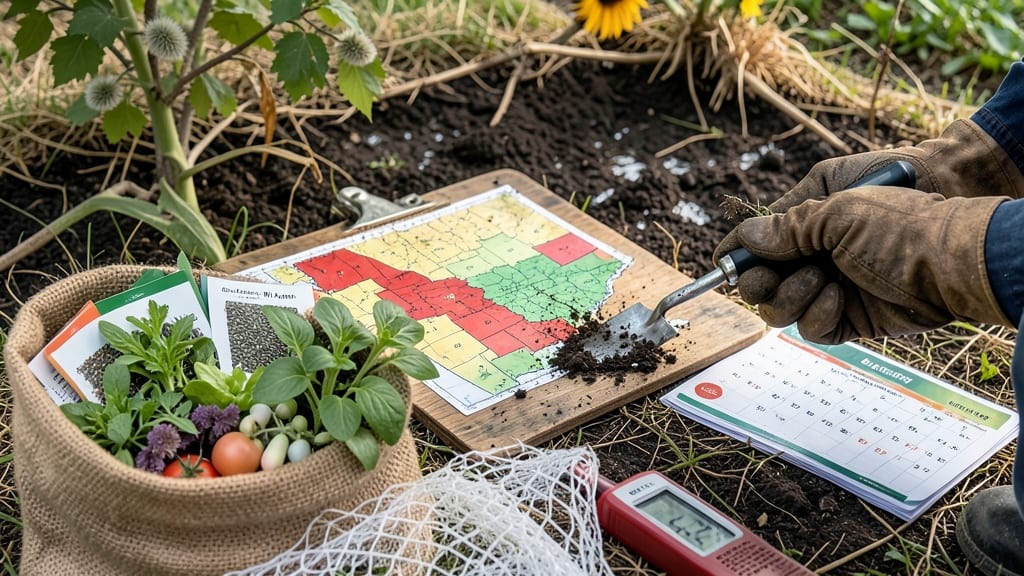
Planting a garden in Ohio at the right time can mean the difference between a bounty of fresh 🌱 vegetables and a sad, frost-kissed disappointment.
If you're asking "when do you plant a garden in Ohio", the answer isn't one-size-fits-all—it depends on your county, the crop, and whether you're planting for spring or fall harvests.
Ohio's USDA Zone 6a climate means gardeners here need to work with unpredictable frost dates that can vary by two weeks or more between northern and southern regions. For most spring-planted vegetables, waiting until after the average last frost date (April 15) is critical—but that's just the starting point.
What you'll discover here are the exact planting windows for Ohio's most popular crops, from cool-season favorites like lettuce and peas to heat-loving tomatoes and peppers. I'll show you how to adjust for your specific location, avoid common timing mistakes, and even extend your growing season with smart techniques.
Whether you're a first-time gardener or a seasoned green thumb, these insights will help you plant with confidence—so you can enjoy a harvest that lasts from May through October (and beyond if you plan your fall crops right). Let's get those seeds in the ground at the perfect moment.
Ohio’s last frost dates by region: when to plant for zero-frost success
Ohio’s last frost dates vary dramatically from north to south, making it critical to know your USDA Zone 5-6 region before planting. In northern Ohio (Zones 5a-5b), gardeners face a longer frost risk—sometimes until May 15—while southern Ohio (Zones 6a-6b) often sees frost-free conditions by April 15.
These differences mean cool-season crops like peas and lettuce can go in early in Cincinnati but risk damage in Cleveland.
Timing isn’t just about frost—it’s also about soil temperature. Most warm-season crops (tomatoes, peppers) need soil at 60°F+, which northern Ohio may not hit until mid-May. Meanwhile, perennials like asparagus should be planted in early spring (March-April) to establish roots before summer heat.
Get this wrong, and you’ll either waste seeds or lose plants to frost.
Here’s the county-by-county breakdown of Ohio’s last spring frost and first fall frost dates, plus your planting windows for annuals, perennials, and cool-season crops. Use this to align your garden with Ohio’s 165-day frost-free season (on average).
🌱
For cool-season crops like broccoli, spinach, and kale, plant 4–6 weeks before your last frost.
In northern Ohio, this means starting seeds indoors by March 1 for outdoor transplanting in April. Southern Ohio gardeners can sow directly in March for earlier harvests. Peas and radishes are especially frost-tolerant—don’t wait until the last minute!
Warm-season crops like tomatoes, peppers, and cucumbers need to wait until 2 weeks after your last frost (or when soil hits 60°F).
In Cleveland, this is May 15, but in Columbus, you can plant by May 1. Basil and beans are heat-lovers—plant them only after the soil warms, or they’ll sulk and struggle.
Fall planting is just as critical. Start cool-season crops like kale, carrots, and Brussels sprouts 6–8 weeks before your first frost.
In Toledo, this means August 15, while Athens can wait until September 1. Garlic and onions should be planted in October for next year’s harvest—don’t miss this window!
Pro tip: Use
How to adjust planting dates for Ohio’s microclimates and unpredictable weather
Ohio’s microclimates can create a 10-day difference in frost dates between northern and southern counties. If you’ve ever planted tomatoes too early only to watch them wilt from a surprise frost, you know how critical timing is.
The key to success? Flexible planting strategies that account for local weather patterns, soil temperatures, and protective techniques.
Instead of relying solely on average frost dates, I’ve learned to use a combination of NOAA forecasts, soil thermometers, and season-extending tools to fine-tune my schedule.
For example, in Zone 6a areas like Columbus, you might plant peas in early March, but in Zone 5b regions like Cleveland, waiting until mid-April is safer. The difference? A thriving crop versus a frozen disappointment.
Here’s my step-by-step system for adjusting planting dates to match Ohio’s unpredictable weather:
-
1Check local frost dates using NOAA’s Climate Data or Ohio Ag Research tools. Bookmark your county’s 10-year average for last spring frost and first fall frost.
-
2Use soil thermometers to confirm 60°F+ soil temps for warm-season crops like tomatoes and peppers. Cold soil delays germination, even if air temps are warm.
-
3Swap late-spring crops for heat-tolerant varieties. If frost delays your usual cucumber planting, try ‘Straight Eight’ or ‘Marketmore’, which handle heat better.
-
4Extend seasons with row covers or cold frames. A floating row cover can add 2–4 weeks to your spring planting window for lettuce and spinach.
-
5Plant fall crops early (July–August) for a second harvest. Kale and carrots thrive in cool fall weather and can be harvested well into November.
One of my biggest gardening wins came last year when I used a cold frame to start broccoli in early March—weeks before the official last frost date. By the time the average frost date arrived, my plants were already 3 inches tall and thriving.
The secret? Monitoring soil temps and using protective covers to shield young plants from unpredictable late frosts.
For heat-sensitive crops like peppers, I now plant ‘Early Cal Wonder’ varieties in late May instead of the usual early April. The trade-off? A slightly later harvest, but zero risk of frost damage.
And if a late spring freeze threatens, I’ve got row covers ready to deploy within hours.
Don’t forget to track your own data each year. My garden journal now includes notes on actual frost dates, soil warming trends, and which season-extending tools worked best.
Last year’s early April frost taught me to delay tomato planting until May 1—a simple shift that saved my entire crop. With these adjustments, you’ll turn Ohio’s unpredictable weather into a growing-season advantage. 🌱