
Plants
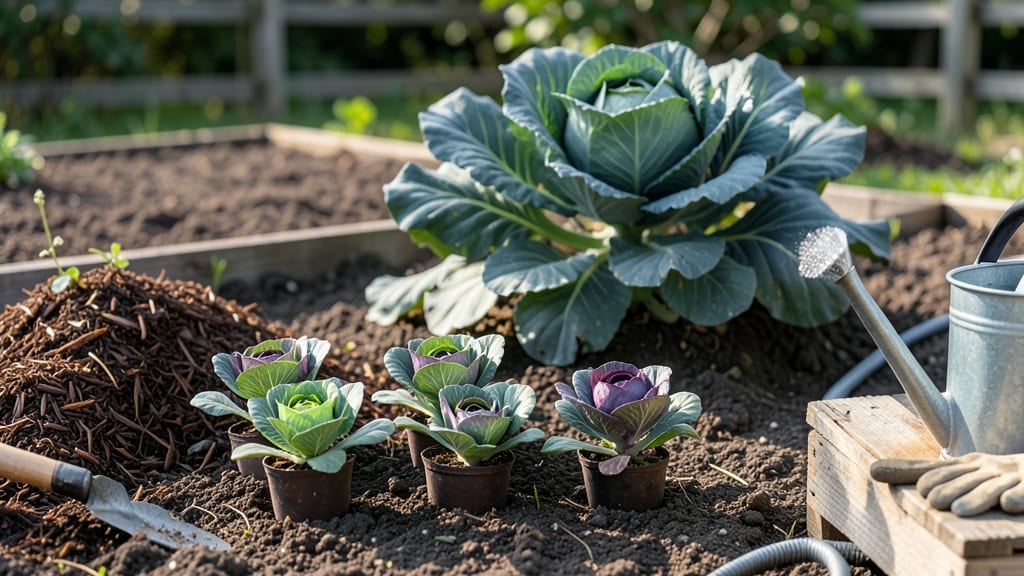
Planting cabbage in Georgia at the wrong time can mean the difference between a bountiful harvest and a sad, wilted 🥬 pile.
The key to success lies in understanding your local climate zones—whether you're in the Piedmont's cooler hills or Savannah's warmer coastal stretch—because frost dates shift dramatically just miles apart.
For most of Georgia's 7b-8b zones, the sweet spot arrives twice a year: late February through early March for spring plantings, and again in August to early September for fall harvests.
These windows align perfectly with soil temperatures and daylight length, giving your cabbage the ideal conditions to thrive without bolting prematurely.
But here's the catch: your exact timing depends on whether you're starting seeds indoors or direct-sowing. I'll walk you through both methods, plus how to adjust for Georgia's unpredictable weather patterns—because even the best-laid plans can go sideways when a late frost sneaks in.
Ready to grow cabbage that's head-turningly perfect? Let's dive into the exact steps to time your plantings for maximum success, from seed to harvest-ready heads that'll make your neighbors jealous.
Best planting times for cabbage in Georgia’s climate zones
Georgia’s 8a-9a climate zones create a unique window for growing cabbage, but timing is critical to avoid bolting or frost damage. Unlike northern states, Georgia’s mild winters and long growing season allow for both spring and fall plantings.
The key is aligning your schedule with last frost dates (mid-March) and first frost dates (mid-November) while accounting for microclimates like Atlanta’s cooler Piedmont region versus Savannah’s warmer coastal zone.
For spring cabbage, the optimal planting window is late February to early March for direct sowing or 6-8 weeks before last frost if starting indoors. This ensures seedlings mature before summer heat stresses them.
In fall, aim for August to early September to harvest before winter frosts arrive. Coastal areas like Savannah can extend fall planting slightly later due to their milder climate.
| Planting Window | Zone Focus | Key Considerations | Harvest Window |
|---|---|---|---|
| Late February - Early March | 8a-9a (Statewide) | Direct sow or transplant hardened seedlings; soil temp ≥45°F | May - June |
| August - Early September | 8a-9a (Statewide) | Avoid late summer heat; use shade cloth if needed; harvest before first frost | October - November |
| Mid-September (Coastal) | 9a (Savannah/Coastal) | Extended growing season; monitor for cabbage worms in humidity | November - Early December |
| Late March (Indoor Start) | 8a (Piedmont) | Hardier varieties like 'Golden Acre' tolerate cooler soils; transplant after last frost | June - July |
🌱 Note: Adjust for microclimates—valleys frost earlier than hilltops.
Georgia’s microclimates play a huge role in cabbage success. In Atlanta (Zone 8a), spring plantings should start 2-3 weeks earlier than coastal areas due to cooler nights.
Conversely, Savannah (Zone 9a) gardeners can push fall plantings into mid-September without frost risk. Always check your local frost dates—the Georgia Climate Project provides updated averages yearly.
For spring cabbage, prioritize cool-season varieties like 'Blue Vantage' or 'Crimson Rose', which tolerate light frosts. Start seeds indoors under grow lights 6-8 weeks before last frost, then transplant hardened-off seedlings when soil reaches 45°F.
In fall, opt for heat-tolerant varieties like 'Tendercrisp' and sow directly after August’s heatwave subsides.
One common mistake in Georgia is planting too late in spring, causing cabbage to bolt (flower prematurely) as temperatures rise. To prevent this, use shade cloth during peak summer heat or choose bolting-resistant varieties.
For fall plantings, succession planting every 2-3 weeks ensures a staggered harvest before frost. Coastal gardeners can even try winter cabbage with row covers for extended production.
Soil temperature is often overlooked but critical. Cabbage seeds won’t germinate well below 40°F, so use a soil thermometer to confirm readiness. In Atlanta’s Piedmont region, wait until late March for direct sowing, while Savannah’s coastal zone can start as early as mid-February.
Amend soil with compost to improve drainage—Georgia’s clay-heavy soils can cause rot if waterlogged.
Protect young plants from cabbage worms and imported cabbageworms, which thrive in Georgia’s humidity. Use row covers or neem oil sprays for organic control. In fall plantings, watch for aphids and treat with insecticidal soap if populations surge.
Always harvest before heads split or yellow, as this indicates bolting or disease.
For a year-round supply, combine spring and fall plantings with succession sowing. Start a new batch every 3 weeks from February to September to maintain a continuous harvest.
Store extra heads in a cool, humid basement for up to 2 weeks to extend your fresh cabbage supply beyond the garden season.
Remember: Georgia’s cabbage season is all about balance. Plant too early, and frost will damage tender seedlings; too late, and summer heat will send your cabbage to seed. By following these zone-specific windows and adjusting for your local microclimate, you’ll enjoy crisp,
How to extend cabbage season in Georgia: succession planting tips
Want to enjoy fresh cabbage straight from your garden for months? The secret lies in succession planting, a technique that lets you stagger your harvests by planting seeds or seedlings at regular intervals.
In Georgia’s 7b-8b climate, this means starting your first batch in late February and continuing through September to avoid gaps in your harvest. Without this strategy, you’d risk a single, overwhelming crop followed by months of store-bought veggies.
Succession planting works by spacing out your plantings every 2-3 weeks during the growing season. This creates a rolling harvest, ensuring you always have mature heads ready to pick.
For Georgia gardens, this approach is especially valuable because our long growing season and occasional heat spikes can stress plants if they’re all at the same stage. By staggering, you’ll spread out the risk and enjoy a steady supply of crisp, homegrown cabbage.
Here’s how to do it right, from seed spacing to protecting your young plants with row covers—because even Georgia’s mild winters can bring unexpected frosts that’ll ruin tender seedlings.
Step-by-Step Succession Planting for Cabbage in Georgia
-
Step 1: Start with soil prep
Test your soil pH to 6.0-7.0 and amend with compost. Cabbage thrives in loose, nutrient-rich soil that drains well. In Georgia, aim to prep beds 2-3 weeks before planting to give microbes time to break down organic matter.
-
Step 2: Plant your first batch
Sow seeds or transplant seedlings 6-8 weeks before your last frost date (typically late February to early March in most of Georgia). For direct sowing, space seeds 1/2 inch apart in rows 18-24 inches apart.
-
Step 3: Stagger plantings every 2-3 weeks
After your first planting, repeat the process every 2-3 weeks until mid-September. This ensures a continuous supply. For example, if your first batch goes in on March 1, follow with plantings on March 15, April 1, April 15, and so on.
-
Step 4: Protect seedlings with row covers
Use floating row covers for the first 2-3 weeks to shield young plants from late frosts (common in Georgia’s Piedmont) or heat stress in summer. Secure covers with bricks or stakes to prevent wind damage.
-
Step 5: Thin seedlings properly
When seedlings reach 2 inches tall, thin to 12-18 inches apart (depending on variety). Use scissors to avoid disturbing roots. Harvest thinned seedlings for baby greens or compost them.
-
Step 6: Monitor for pests and diseases
Georgia’s humidity invites cabbage worms and clubroot. Apply neem oil or row covers as needed. Keep soil moist but not soggy to prevent fungal issues like black rot.
-
Step 7: Harvest at the right time
Pick heads when they’re firm and fully colored (usually 70-90 days after planting). Leave outer leaves intact to protect the head. In Georgia, this means May-June for spring crops and October-November for fall plantings.
Succession planting might seem like extra work, but the payoff is worth it: a garden that never runs out of fresh cabbage. Plus, you’ll avoid the heartbreak of a single massive harvest that spoils before you can use it all.
For Georgia gardeners, this method also helps you beat the heat—by spacing out plantings, you ensure some cabbage matures in cooler spring and fall temperatures while others tough it out in summer’s warmth.
Pro tip: Keep a planting calendar to track your succession batches. Mark your first planting date, then add 2-3 week intervals until September. This visual reminder will save you from guessing—and from ending up with a garden full of bolting cabbage because you lost track of time.
With these steps, you’ll enjoy a continuous harvest of crisp, homegrown cabbage all season long—no grocery store required. Happy planting! 🥬