
Plants
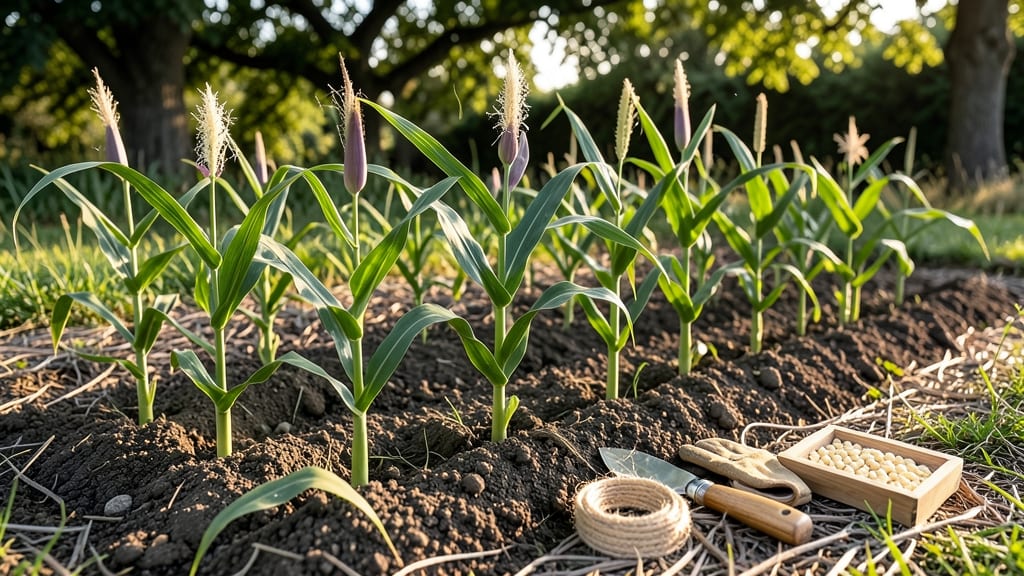
Planting corn in Florida at the wrong time can mean the difference between a bountiful harvest and wasted effort. With USDA zones 8a-11 offering two ideal planting windows—spring and fall—timing matters more than you might think.
Most gardeners know corn thrives in warm weather, but Florida’s unique climate means mid-March to early May and late July to early September are your best bets. Skip these windows, and you risk stunted growth or pests taking over before your 🌽 ears even form.
Whether you’re a seasoned gardener or trying your hand at homegrown corn, getting the timing right ensures sweet, tender kernels instead of tough, starchy disappointments. Let’s break down the exact steps for your region—because in Florida, every week counts.
From soil prep to avoiding common pitfalls, I’ll show you how to plant corn for maximum yield, no matter where you are in the state. Ready to grow corn like a pro? Let’s get started.
Florida corn planting calendar by USDA zone (exact dates for sweet & field corn)
Florida’s USDA zones 8A-11 create unique opportunities for year-round corn production, but timing varies dramatically between North Florida’s cooler winters and South Florida’s tropical heat. Unlike northern states, Florida gardeners can grow corn in both spring and fall, with summer planting possible in cooler microclimates.
The key is matching soil temperatures (minimum 60°F) with regional frost patterns—which can be nonexistent in zone 11 but critical in zone 8A.
For sweet corn, which requires precise timing to avoid starchy kernels, I recommend sticking to two main planting windows: spring (March-April) for summer harvests and fall (July-August) for winter harvests. Field corn, used for animal feed or grain, has more flexibility but still benefits from consistent soil warmth.
In North Florida (zones 8A-9A), frost risk means you’ll need to time plantings carefully to avoid early cold snaps, while South Florida (zones 10A-11) allows for extended growing seasons with minimal frost concerns.
Soil temperature is your best indicator—corn seeds won’t germinate below 55°F, and optimal growth occurs at 70-85°F. Use a soil thermometer to check 2 inches deep before planting. In Florida, this typically means March for spring plantings and August for fall plantings, but early varieties can push these windows slightly earlier or later.
Here’s how Florida’s USDA zones break down for corn planting, including exact date ranges, ideal soil temps, and harvest windows:
In North Florida (zones 8A-9A), I prioritize spring plantings because fall harvests risk early winter frosts. For example, in zone 8A, planting in mid-March ensures harvests before December’s first frost.
Meanwhile, South Florida (zones 10A-11) offers near year-round growing, with January plantings yielding harvests by March—perfect for avoiding summer’s peak heat.
For early varieties like ‘Golden Bantam’ (60-day maturity), I plant as soon as soil reaches 60°F, even if it’s February in zone 10A. Late varieties like ‘Silver Queen’ (90-day maturity) get their start in late March for spring or August for fall to stretch harvests. This
5 Critical mistakes that ruin Florida corn harvests (and how to avoid them)
Even in Florida’s warm climate, planting corn at the wrong time can turn your garden into a pest buffet or a drought disaster. Many gardeners assume "warm weather = anytime," but soil temperature and pest cycles dictate success.
I’ve seen perfectly healthy corn turn to mush overnight because of one simple timing mistake.
First, let’s tackle the biggest culprit: planting too early. While Florida’s frost-free windows are long, cool soil temps below 60°F stunt root growth.
If you plant in February or late January, your corn may bolt (flower too fast) or attract corn earworms early, ruining your harvest before it even starts.
Then there’s the opposite problem: planting too late. Waiting until June or October means your corn matures as temperatures soar, leading to dry, starchy kernels instead of sweet, juicy ears.
The ideal window is tight—mid-March to early May for spring and late July to early September for fall—but many gardeners miss it by weeks.
⚠️
- Too Early (Feb/Mar): Cool soil = weak roots + early pests
- Too Late (Jun/Oct): Heat stress = dry, starchy kernels
- Skipping Soil Prep: Sandy Florida soil drains too fast—amend with compost or risk drought stress
- Ignoring Pest Cycles: Earworms peak in July-August—plant fall corn before July 15 to avoid them
- Overcrowding: Corn needs 12+ inches between plants—skip thinning, and you’ll lose 50% of ears
Another common mistake is skipping soil preparation. Florida’s sandy soils drain too quickly, leaving corn plants thirsty. Before planting, mix in 2-3 inches of compost and a balanced fertilizer (10-10-10).
Without this, your corn will struggle to absorb nutrients, leading to yellow leaves and small ears. I once grew corn in unamended soil—my yield was half what it should’ve been!
Pests are another silent harvest killer. Corn earworms and fall armyworms thrive in Florida’s heat, and planting at the wrong time puts your crop in their path. For spring plantings, use row covers until silking begins.
For fall corn, aim to harvest before August 1 to avoid peak worm activity. I’ve lost entire rows to these pests—don’t let that happen to you!
Finally, overcrowding is a silent yield killer. Corn needs 12-18 inches between plants and 30-36 inches between rows. If you plant too closely, the outer ears won’t develop fully, and diseases spread faster.
Thin seedlings to the strongest 2-3 plants per hill once they’re 6 inches tall. Trust me, the extra space pays off in bigger, sweeter ears.
To extend your Florida corn season, try succession planting: Sow new seeds every 2 weeks in spring and fall for a continuous harvest. And if you’re in North Florida (Zone 8a), consider row covers to protect early plantings from unexpected chilly snaps.
With these tips, you’ll avoid the top mistakes and enjoy homegrown corn all year.