
Plants
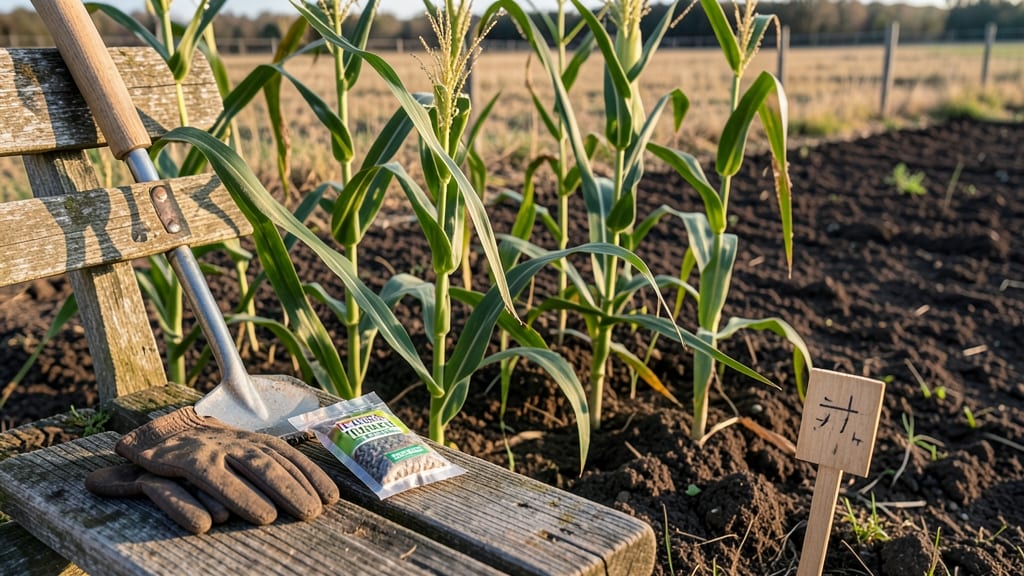
Planting corn in Indiana at the wrong time can mean the difference between a bountiful harvest and wasted effort—especially when soil temperatures and frost dates play such a critical role.
The key to fast, reliable germination lies in waiting for that perfect window when the ground warms to 50°F–60°F, typically between mid-April and early May in most of the state.
But here’s the catch: Indiana’s 6a climate means northern regions like Fort Wayne may need to wait a week or two longer than southern areas like Evansville.
If you plant too early, cold soil can stunt your 🌽 corn before it even sprouts, while waiting too long risks running out of the 165 frost-free days corn needs to mature.
I’ve learned the hard way that rushing the process leads to weak stalks and fewer ears—but with the right soil temperature triggers and local frost insights, you can time your planting for maximum success.
Let’s break down exactly when to put those seeds in the ground for the fastest, healthiest growth.
Whether you’re a first-time gardener or a seasoned Hoosier farmer, knowing these timelines will help you avoid common mistakes and set your corn up for a thriving season. Ready to get started?
Ideal soil temperature ranges for planting corn in Indiana
Corn thrives when planted in warm soil, and Indiana’s climate demands precision timing to avoid frost damage or slow germination. The optimal soil temperature range for planting corn seeds is between 50°F and 60°F, with 60°F being ideal for consistent sprouting.
In my experience, cooler soils delay germination, while overly hot soils can stress young seedlings.
Northern Indiana (USDA zones 5a–5b) typically has cooler soil longer than southern regions (zones 6a–6b). This means gardeners in LaPorte or Gary may need to wait until late April, while those in Evansville or Bloomington can plant as early as mid-April.
Always check local frost dates and soil temps to adjust your schedule.
Here’s how Indiana’s regional soil temperature variations affect planting:
- Northern Indiana: Wait until soil hits 55°F+ (late April–early May)
- Central Indiana: Plant when soil reaches 58°F+ (mid-April–early May)
- Southern Indiana: Start as early as 50°F+ (late March–mid-April)
🌱
To test soil temperature accurately, use a soil thermometer buried 2 inches deep (the depth where corn seeds are planted). I recommend checking temps in the morning for consistency—soil warms up during the day, which can give misleading readings.
Pro tip: Warm the soil faster by covering bare patches with black plastic mulch 1–2 weeks before planting.
Planting too early in cold, wet soil risks rot and poor germination. Conversely, delaying until soil exceeds 70°F can stress seedlings and reduce yields. My rule of thumb: Plant when soil is warm but not scorching—aim for 60°F–65°F for the best balance.
🌡️
| Region | Optimal Soil Temp | Best Planting Window | Frost Risk |
|---|---|---|---|
| Northern Indiana (Zones 5a–5b) | 55°F–60°F | Late April–Early May | High (last frost: May 1) |
| Central Indiana (Zones 5b–6a) | 58°F–62°F | Mid-April–Early May | Moderate (last frost: April 15) |
| Southern Indiana (Zones 6a–6b) | 50°F–58°F | Late March–Mid-April | Low (last frost: April 1) |
Early planting (before soil reaches 50°F) can lead to slow germination and increased disease risk, while late planting (after June 1) may result in smaller ears or immature corn before the first frost.
In my garden, I’ve found that mid-April to early May strikes the perfect balance for most of Indiana.
For northern Indiana, consider using black plastic mulch or row covers to warm the soil faster. In southern Indiana, where soil warms earlier, focus on soil moisture—dry conditions can delay germination even if temps are ideal.
Always pair soil temperature checks with weather forecasts to avoid planting before a cold snap.
🌿
If you’re unsure about your local soil temperature trends, consult your Indiana Cooperative Extension Service for historical data. They provide free soil temperature maps and planting guides tailored to your county. I’ve also had success using a digital soil thermometer (like the Thermopro TP11) for real-time monitoring.
Remember, corn seeds need warmth to germinate, but once sprouted, they can tolerate cooler air temps (down to 50°F) as long as the soil stays warm. This is why I prioritize soil temperature over air temperature—it’s the true indicator of success for corn planting in Indiana.
✂️
Indiana-specific planting calendar: weeks and months by zone
Indiana’s USDA zones 5b–6a create distinct planting windows for corn, with northern areas like Gary waiting until mid-May while southern regions near Louisville can start as early as late April.
The key is aligning your planting with the last average frost date—typically April 15 in central Indiana—but also ensuring soil temperatures stay above 50°F for consistent germination.
For drought-prone areas like west-central Indiana, prioritize early May planting to avoid summer dry spells that stress young corn plants. Meanwhile, heat-tolerant varieties like Silver Queen or Peaches and Cream can handle late-May starts in cooler northern zones. Let’s break down the exact weeks and months for each planting strategy.
| Planting Window | Zone 5b (North) | Zone 6a (Central) | Zone 6a (South) |
|---|---|---|---|
| Early Season (Risky) | Late April (after April 25) | Mid-April (after April 15) | Late March (after April 1) |
| Ideal Window | May 1–15 | April 20–May 5 | April 10–25 |
| Late Season (Short Season) | May 16–31 (fast varieties) | May 6–20 (drought-tolerant) | April 26–May 10 |
| Soil Temp Requirement | 55°F+ (use row covers) | 50°F+ (standard) | 50°F+ (earlier warm-up) |
| Best Varieties | Early Sweet (e.g., Ambrosia) | Bicolor (e.g., Peaches & Cream) | White (e.g., Silver Queen) |
In northern Indiana (Zone 5b), waiting until May 1–15 minimizes frost risk while ensuring soil warmth. I’ve found that planting Ambrosia corn in early May gives me a reliable harvest by late August, even with shorter growing seasons.
For central Indiana (Zone 6a), the April 20–May 5 window balances early growth with frost safety, while southern Indiana gardeners can push to April 10–25 for maximum yield potential.
Pro tip: Use a soil thermometer to confirm temperatures before planting—corn seeds need 50°F+ for germination, but 60°F+ ensures faster, stronger growth. In my garden, I’ve seen germination drop by 30% when planting in 50°F soil versus 60°F. Timing isn’t just about dates; it’s about soil conditions.
Adjust your planting strategy based on microclimates—southern exposures warm up faster, while low-lying areas may stay colder. If you’re in a drought-prone area, prioritize late-April to early May planting to avoid summer water stress.
For example, Evansville’s warmer climate lets me plant Silver Queen by April 15, while Fort Wayne gardeners should wait until May 1.
Remember: Corn needs 165 frost-free days to mature. Planting too late risks immature ears before the first frost in mid-October. I once planted Peaches & Cream in late May and lost half my crop to early frost—don’t make that mistake!