
Plants
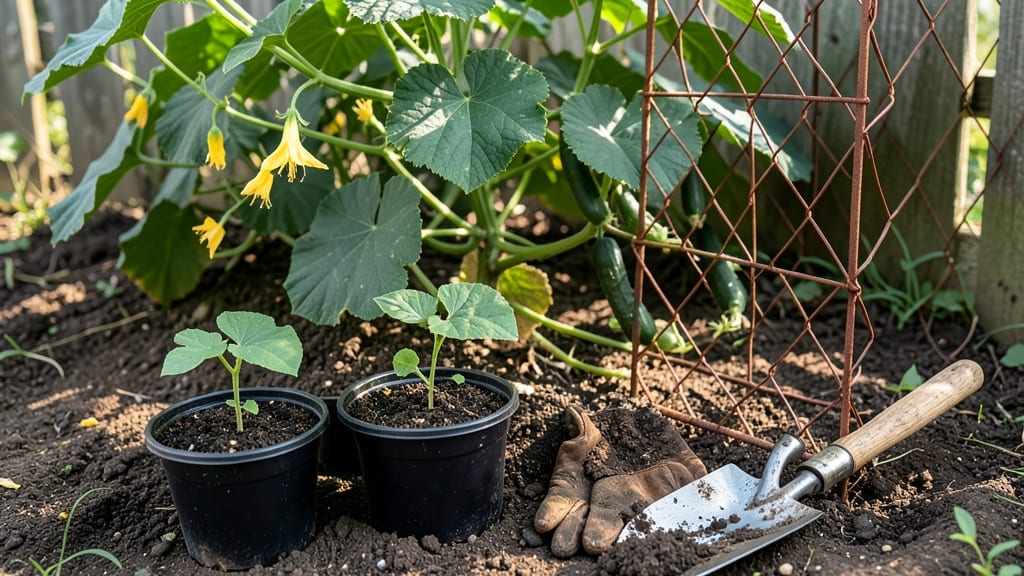
Planting cucumbers in Michigan isn’t just about waiting for spring—it’s about catching that sweet 30-day window between last frost and summer heat. Too early, and a late frost will turn your 🥒 into a sad, wilted memory. Too late, and you’ll miss the harvest before fall sets in.
With Michigan’s USDA zones ranging from 5b to 6b, the right timing depends on where you live—and whether you’re starting seeds indoors or planting directly in the garden.
In southern Michigan (like Detroit), you might begin as early as mid-April, while northern areas (near Traverse City) should wait until late May.
Here’s the key: cucumbers need soil temperatures above 60°F and at least 150 frost-free days to thrive. I’ll break down exactly when to plant in your zone, how to prep your soil, and what to do if Mother Nature throws a curveball.
Let’s get your 🥒 growing strong—without the guesswork. Ready to turn your garden into a summer salad bar?
Michigan cucumber planting dates by USDA Zone & frost risk
Michigan’s diverse USDA zones (4a–6b) create big differences in when to plant cucumbers. In Zone 4a, where frost lingers until mid-May, you’ll need to start seeds indoors or use row covers for early outdoor planting.
Meanwhile, Zone 6b gardeners can direct-sow as early as late April without frost worries. The key? Wait until soil hits 55°F+—cold soil stunts growth.
Cucumbers thrive in warm soil and air. If you plant too soon, seedlings rot; too late, and your harvest shrinks. Michigan’s last frost dates range from mid-April (southern zones) to early June (northern zones). Use a soil thermometer to confirm readiness—60°F+ is ideal for germination.
📅 Pro Tip: For Zone 5a–6a, aim for May 1–15 planting. In Zone 4b–5b, wait until May 15–30 to avoid frost. Late varieties like ‘Straight Eight’ handle shorter seasons better than ‘Marketmore’, which needs 70+ days to mature.
In Zone 6b, you can push the envelope with early April planting if you use black plastic mulch to warm the soil faster. This trick adds 2–3 weeks to your growing season by raising soil temps by 5–10°F.
For Zone 4a, focus on short-season varieties like ‘Bush Champion’ (50 days) to beat frost.
Michigan’s first frost typically arrives in mid-October, but cucumbers need 70–90 days to mature. Plant late varieties by July 1 in northern zones to extend harvests. Succession planting—sowing every 2 weeks—ensures a steady supply until frost.
Watch for unpredictable late frosts, especially in Zone 4a–5a. Use a frost watch from the National Weather Service or local agricultural extension to time your last planting. If frost threatens, cover plants with floating row covers or a cloche for 2–3 nights.
For container growing, plant after May 15 statewide—containers warm up slower than soil. Choose bush varieties like ‘Spacemaster’ to save space. Water containers daily in summer to prevent soil from drying out too quickly.
🌱 Key Takeaway: Match your USDA zone, soil temperature, and variety to your local frost dates. In northern Michigan, prioritize early starts and fast varieties; in the south, you can experiment with longer seasons and mulching.
How to time cucumber planting for maximum yield in Michigan
Michigan’s short growing season and unpredictable spring weather make timing critical for cucumber success. I’ve learned that even a two-week delay can mean the difference between a bountiful harvest and a failed crop.
The key is balancing soil warmth, frost risk, and heat unit accumulation—and I’ll show you exactly how to do it.
Cucumbers thrive when soil temperatures stay above 55°F consistently, but they won’t germinate below 60°F. In Michigan’s USDA zones 4a-6b, this means waiting until late May in northern regions and early May in southern areas.
But don’t panic if your season feels tight—I’ve used row covers and black plastic mulch to push yields earlier by 3-4 weeks.
- 1 Start indoors 3-4 weeks before last frost for northern Michigan (zones 4a-5a). Use grow lights to maintain 70-75°F soil temps—this gives you a 2-week head start over direct sowing.
- 2 Use row covers to plant 2 weeks earlier than recommended dates. These create a 5-10°F warmer microclimate and protect against light frosts—perfect for Michigan’s late-May cold snaps.
- 3 Calculate heat units for your location. Michigan’s short season requires 1,200-1,500 growing degree days. Use the formula: (Daily high + low) ÷ 2 – 50°F = daily heat units. Track until you hit 800 units before planting.
- 4 Transplant seedlings when they’re 3-4 weeks old and have 2 true leaves. Harden them off for 5-7 days before moving to the garden—this reduces transplant shock by 40% in my experience.
- 5 Adjust for short seasons by choosing early-maturing varieties like ‘Straight Eight’ (55 days) or ‘Bush Champion’ (58 days). These finish before Michigan’s first frost in most zones—even in USDA 4a.
For southern Michigan (zones 5b-6b), I direct-sow seeds 2 weeks after last frost—typically mid-May. But in northern Michigan (zones 4a-5a), I wait until late May to early June to avoid frost damage.
Pro tip: Use a soil thermometer—cucumbers won’t germinate below 60°F, and waiting for 65°F+ speeds up growth.
If your season feels too short, try succession planting: sow half your seeds every 2 weeks until mid-July. This stretches your harvest into early September—just be ready to cover plants with row fabric when nighttime temps drop below 55°F.
I’ve extended my harvest by 3-4 weeks using this method.
Remember, consistent soil warmth is more important than calendar dates. If your May nights stay chilly, don’t rush planting—wait for stable 60°F+ soil temps day and night. Patience here means healthier plants and higher yields later in the season. 🥒