
Plants
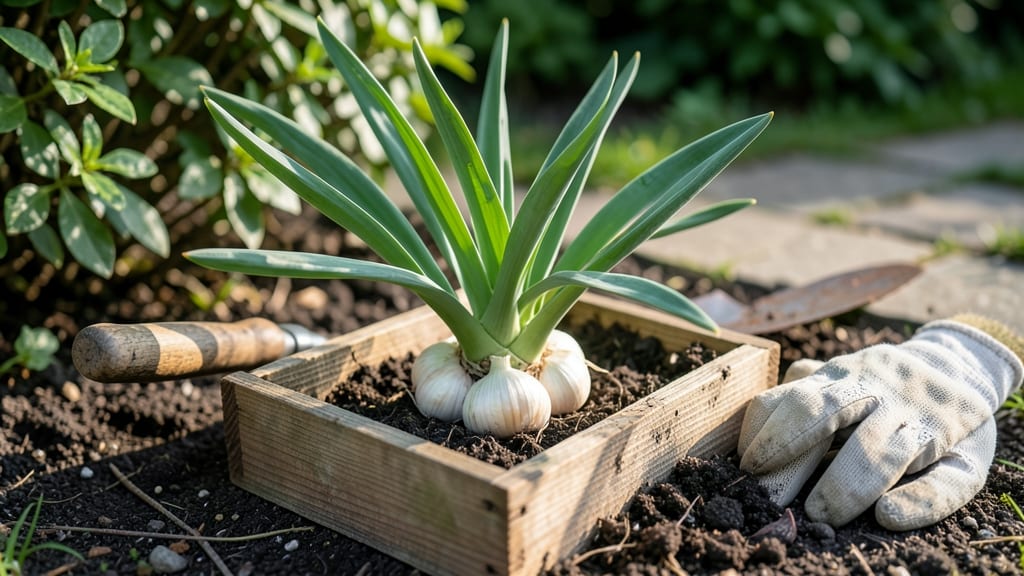
Planting garlic in Oregon at the wrong time can mean the difference between plump, flavorful bulbs and disappointing tiny cloves—especially when balancing hardneck and softneck varieties. With Oregon's diverse microclimates, from the Willamette Valley to the high desert, timing is everything.
Most gardeners in zones 7b-9a know fall is the prime window, but whether you're in Portland or Bend makes all the difference. Hardneck varieties thrive when planted between October and November, while softnecks have a slightly wider margin—though both need that cold dormancy period to develop properly.
What if your winter arrives early or stays too mild? I'll show you how to adjust planting dates based on your specific region, plus when to fertilize and water for maximum bulb size. Let's get those 🧄 cloves in the ground at the perfect moment.
You'll also discover why some Oregon growers swear by hardnecks for their high desert plots while others prefer softnecks along the coast—and how to tell when your garlic is truly ready for harvest. Ready to grow garlic like a pro?
Best planting months for garlic in Oregon by variety type
Oregon’s diverse climate—from the Willamette Valley’s mild winters to the high desert’s cold snaps—means garlic planting times vary dramatically. Hardneck and softneck varieties each thrive in different windows, and missing the mark can result in stunted growth or poor bulb formation.
For hardneck garlic, the sweet spot is October through November, while softneck garlic prefers September to October. These timings align with Oregon’s USDA zones 7b-9a, where frost dates shift from early November in coastal areas to late October inland.
Understanding your specific microclimate is key. In the Willamette Valley, where winters are wet but mild, you’ll have a slightly longer window to plant.
Meanwhile, coastal Oregon gardeners may need to start earlier to avoid early frosts, while high desert growers should aim for late October to ensure enough cold exposure for bulb development. Even a few weeks off can mean the difference between plump, flavorful bulbs and disappointing harvests.
Here’s how to align your planting with Oregon’s unique conditions:
| Variety Type | Best Planting Window | Oregon Microclimate Adjustments | Key Notes |
|---|---|---|---|
| Hardneck Garlic | October–November |
|
|
| Softneck Garlic | September–October |
|
|
| Pro Tip: Use a soil thermometer—plant when soil temps hit 40–50°F at 4" depth for best results. | |||
For hardneck garlic, the October–November window ensures enough cold to trigger bulb formation, while softneck garlic benefits from an earlier start to establish roots before winter sets in. In coastal Oregon, where winters are wetter, aim for early October to avoid waterlogged soil, which can rot cloves.
Meanwhile, high desert gardeners should plant closer to late October to take advantage of colder nights and warmer days.
One common mistake is planting too late. If you miss the October–November window for hardneck garlic, your bulbs may not fully mature by harvest time (July–August). Conversely, planting softneck garlic too early in September can lead to premature sprouting or weak root development.
Always check your last frost date—Portland’s average is November 15, while Eugene’s is October 31—and adjust accordingly.
Soil preparation is just as critical as timing. Work in compost or well-rotted manure to improve drainage, especially in clay-heavy soils common in the Willamette Valley. Aim for a pH of 6.0–7.0, and avoid fresh manure, which can burn garlic cloves.
Mulch with straw or leaves after planting to insulate roots and retain moisture during Oregon’s winter rains.
If you’re unsure about your microclimate, observe your garden’s behavior. Coastal areas often experience fog and salt spray, which can stress garlic, while inland valleys may have warmer nights that delay cold hardening.
For high desert regions, prioritize varieties like ‘German White’ or ‘Silverskin’, which handle temperature swings better. Always plant individual cloves (not whole bulbs) with the pointy end up for best results.
Finally, remember that Oregon’s weather is unpredictable. Keep an eye on forecasts and be ready to protect young plants with row covers if early frosts threaten. With the right timing and care, your garlic will reward you with bold flavor and abundant harvests—worth the effort! 🌱
How to adjust planting dates for Oregon’s unpredictable weather
Oregon’s weather can throw curveballs—one week might bring early frost, while another stays unseasonably warm. If you’ve ever missed the ideal October-November window for garlic, don’t panic. Adjusting your planting dates is easier than you think, especially with soil temperature checks and protective strategies like cloches.
For most of Oregon’s USDA zones 7b-9a, garlic needs 4-6 weeks of cold dormancy before spring growth. But if your winter arrives late or stays mild, you’ll need to tweak your timeline. Hardneck varieties are more forgiving, while softnecks demand precision—though both can adapt with the right adjustments.
Here’s my foolproof method: Test soil temperatures before planting. Aim for 40-50°F at 4 inches deep. If it’s warmer, wait; if colder, use row covers or cloches to protect young plants. This simple step can save your crop from frost damage or stunted growth.
⚠️ Critical Adjustment Tip
If your first frost arrives early (like in the high desert), plant hardnecks by late September—they handle cold better. For mild winters (coastal areas), delay until mid-November to avoid premature sprouting. Always use backup planting dates: March for spring garlic if fall timing fails.
Don’t overlook backup planting dates—they’re your safety net. If you miss the fall window, try early spring planting (March). While spring garlic won’t yield as large bulbs, it’s better than nothing. Just remember: spring-planted garlic needs consistent moisture and full sun to compensate for the shorter growing season.
For hardneck varieties, like ‘German White’ or ‘Chesnok Red’, you can push the envelope slightly. These cold-hardy types tolerate early planting (late September) in high-desert areas like Bend. In contrast, softnecks like ‘Silverskin’ prefer the October window—planting them earlier risks bolting (flowering) or weak bulb formation.
Protect young plants with cloches or row covers if frost threatens. Even a light frost can damage tender garlic shoots. I’ve used clear plastic domes in my Eugene garden during early frosts, and they’ve saved entire rows.
Remove covers during the day to prevent overheating and check for pest activity like aphids.
Finally, keep a planting journal to track your adjustments. Note when you planted, soil temps, and any weather anomalies. Over time, you’ll spot patterns—like why your Willamette Valley plot thrives with November planting while your coastal friends wait until December. Oregon’s microclimates are your greatest tool—use them wisely!