
Plants
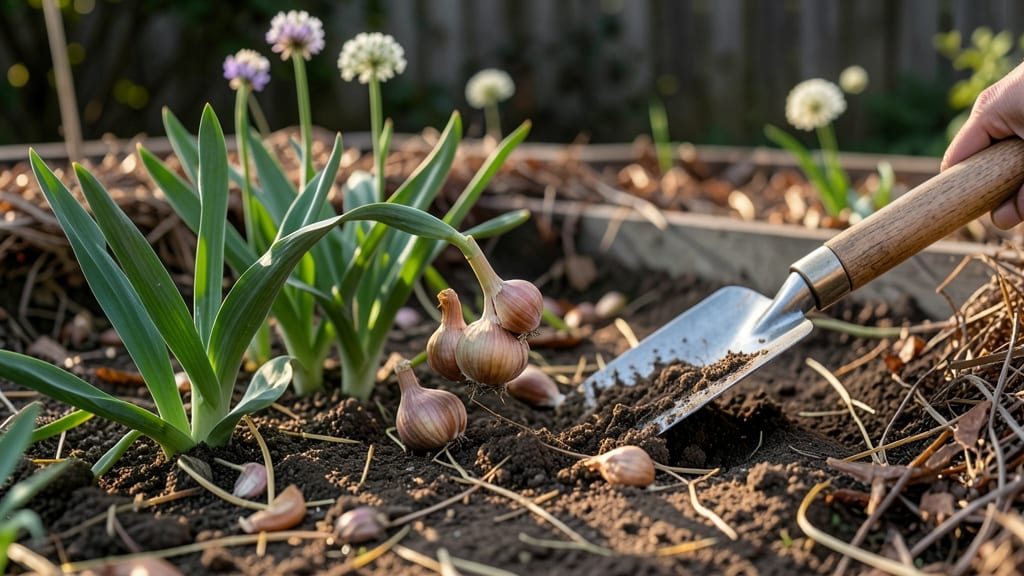
Planting garlic at the wrong time in Tennessee can mean the difference between a bountiful harvest and a disappointing flop—but timing isn’t one-size-fits-all. The 🧄 you plant in October might not thrive if you’re growing softneck varieties, while hardneck garlic demands a different schedule.
For Tennessee’s USDA zones 6a-7b, the ideal window is 4-6 weeks before the first frost, which typically lands in late October to early November.
Hardneck garlic, the variety most gardeners in Tennessee opt for, needs cold exposure to form bulbs, so fall planting is critical. Softneck varieties, though less common in colder climates, can sometimes be planted in early spring if you miss the fall window.
But here’s the catch: planting too early or late can lead to weak growth, bolting, or even rot—all of which ruin your harvest.
I’ve tested both methods over the years, and the key to success lies in understanding your local frost dates and soil conditions. Whether you’re in Nashville, Knoxville, or Memphis, the right timing ensures your garlic has enough time to establish roots before winter sets in.
Let’s break down exactly when to plant each type for the best yields in your Tennessee garden.
Ready to avoid common mistakes? You’ll also discover how to adjust for Tennessee’s unpredictable weather, from early frosts to late springs. With the right approach, you’ll be harvesting plump, flavorful bulbs by late June—just in time for summer cooking. Let’s get started.
Best planting times for hardneck vs softneck garlic in Tennessee
Tennessee’s USDA zones 6-8 create a unique challenge for garlic growers because hardneck and softneck varieties demand opposite planting strategies. Hardnecks need cold vernalization to form bulbs, while softnecks prefer milder winters and can be planted later.
Missing these windows by just 2-3 weeks can lead to weak bulb development or even bolting—so let’s get this right.
For hardneck garlic, the ideal planting window in Tennessee is mid-October to early November. This gives the cloves time to root before the ground freezes but ensures they experience 60-80 days of cold temperatures (below 40°F) needed for bulb formation.
In Zone 6a, aim for planting by October 15, while Zone 7b gardeners can push it to November 1.
Softneck garlic, on the other hand, thrives when planted 4-6 weeks before the last frost—typically late February to early March in Tennessee.
This later timing avoids the harsh winter cold that hardnecks require. Zone 6a gardeners should plant by March 1, while Zone 7b can extend the window to March 15 without risking frost damage.
Here’s a quick comparison to help you visualize the differences:
| Factor | Hardneck Garlic | Softneck Garlic |
|---|---|---|
| Planting Window | Mid-October to early November | Late February to early March |
| Cold Requirement | 60-80 days below 40°F | None (avoid harsh winter) |
| Zone 6a Deadline | October 15 | March 1 |
| Zone 7b Deadline | November 1 | March 15 |
| Bulb Formation Trigger | Winter chilling | Warm spring growth |
| Common Mistake | Planting too late (misses cold) | Planting too early (frost damage) |
Avoid these timing traps that Tennessee gardeners often fall into. Planting hardneck garlic after November 15 risks insufficient cold exposure, leading to small, weak bulbs or even bolting (premature flowering). Conversely, planting softneck garlic before February exposes it to winter freezes, which can rot the cloves before they sprout.
For Zone 6a gardeners in areas like Northeast Tennessee, consider planting hardneck garlic in early October to maximize cold exposure. In warmer Zone 7b areas like Memphis or Nashville, you can push the hardneck window to early November without risking poor bulb formation.
Always check your local frost dates—the Tennessee State Climatology Office provides updated forecasts that can help fine-tune your schedule.
Pro tip: Use soil thermometers to confirm when soil temps drop below 50°F—this is your cue to plant hardnecks. For softnecks, wait until soil temps consistently stay above 45°F at night. This small step can double your success rate by aligning planting with ideal conditions.
If you’re unsure which variety to choose, hardneck garlic is the traditional pick for Tennessee’s climate, offering larger cloves and hardneck scapes (a bonus harvest!). Softneck garlic stores longer and has milder flavor, making it ideal for year-round braiding or if you prefer planting in spring.
Both thrive in Tennessee’s soil, but timing is everything.
Once planted, mulch with 2-3 inches of straw to protect cloves from freeze-thaw cycles and retain moisture. In spring, remove mulch as temps rise to 50°F to encourage growth. With the right timing, you’ll harvest plump, flavorful bulbs by late June or July—worth every minute of planning!
🌱
How to adjust planting dates for Tennessee’s microclimates and weather patterns
Tennessee’s diverse climate—from the cooler highlands of Nashville to the warmer valleys of Memphis—means planting garlic at the "right" time can vary by 50 miles.
In USDA Zone 6a, like eastern Tennessee, the first frost arrives by mid-October, while Zone 7b areas, such as Memphis, often hold off until early November. This shift of 2-3 weeks can make or break your harvest, especially for hardneck garlic, which relies on cold vernalization.
Even within these zones, microclimates play a role. A north-facing slope in Knoxville might frost earlier than a south-facing garden bed, while urban areas like Nashville can experience heat islands that delay frost.
To avoid guessing, I recommend checking local frost dates from sources like the Old Farmer’s Almanac or your local Cooperative Extension Service. For most of Tennessee, this means aiming for late October to early November for hardneck varieties.
- 1 Nashville (Zone 6b-7a): Plant hardneck garlic by October 15 to ensure roots establish before first frost (mid-October). Use row covers if early cold snaps arrive.
- 2 Knoxville (Zone 6a-7a): Adjust for earlier frosts—plant by October 1 in high-elevation areas. Soil temperature should be 50-60°F at planting time for best root growth.
- 3 Memphis (Zone 7b-8a): Wait until November 1-15 for hardneck garlic. Softneck varieties can be planted in early spring (March) if fall planting is missed.
- 4 Soil temperature cues: Use a soil thermometer—ideal planting temps are 50-60°F. If soil is below 40°F, delay planting until conditions warm slightly.
- 5 Spring freeze risks: If a late spring freeze threatens (common in April), protect emerging garlic with frost cloth or mulch to prevent damage.
Unpredictable weather is Tennessee’s wildcard. One year, you might experience a mild winter with delayed frost, while the next could bring an early freeze in October. To hedge your bets, I plant a small batch of garlic in late September and another in early November.
This staggered approach ensures at least one planting survives, even if one fails due to weather extremes.
For soil temperature adjustments, invest in a soil thermometer—it’s the best way to time your planting. If the ground is too cold (below 50°F), roots won’t establish properly, leading to weak growth.
In warmer microclimates, like Memphis, you can push planting to early November, but avoid waiting too long, or your garlic may bolt prematurely.
Finally, account for spring freezes, which can occur as late as April in Tennessee’s higher elevations. If you’re growing garlic for green shoots (scape harvest), these freezes are less critical, but for bulb production, they can stunt growth.
Use mulch or row covers to insulate plants during unpredictable cold snaps. With these adjustments, you’ll maximize your chances of a successful harvest regardless of Tennessee’s whimsical weather.