
Plants
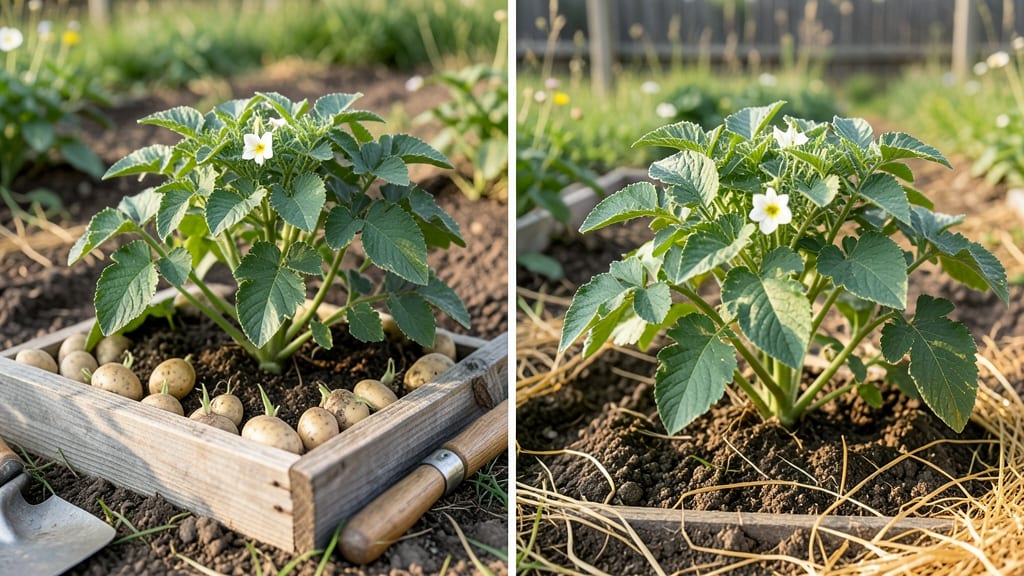
Planting potatoes in Mississippi isn’t just about tossing them in the dirt and hoping for the best—it’s a timing game that can mean the difference between a bountiful harvest and wasted effort.
Whether you're a seasoned gardener or just starting, knowing when to plant potatoes in Mississippi’s 8a climate is key to avoiding rot, pests, and missed opportunities.
Mississippi’s spring planting window—typically between February and April—gives you flexibility, but the real secret lies in soil temperature. Too cold, and your seed potatoes won’t sprout; too warm, and you risk disease.
I’ll show you how to read the signs and use simple tricks to get your 🥔 off to a fast, healthy start—no guesswork required.
From early varieties that can hit the ground as soon as late February to late-season crops that thrive when planted in April, we’ll break down the best strategies for your region.
Whether you’re in North Mississippi’s cooler pockets or the warmer South, these insights will help you align your planting with nature’s rhythm.
Ready to grow potatoes that actually thrive? Let’s dive into the fast, foolproof methods for planting at the perfect moment—so you can enjoy homegrown spuds from April through July without the stress.
Mississippi potato planting calendar: best months by soil temperature
Timing your potato planting in Mississippi isn’t just about months—it’s about soil temperature. Potatoes need 45–55°F soil to germinate properly. Plant too early in cold soil, and your seed potatoes rot.
Wait too long, and summer heat stresses your crop. Here’s how to nail the perfect window for your region.
Mississippi’s climate varies dramatically from the Delta’s humid heat to the North’s cooler springs. The state’s last frost dates range from mid-February in the north to early March in the south. But don’t rely solely on frost dates—soil temperature is the real game-changer for potato germination.
I’ve broken down the best planting months by soil temperature zones and Mississippi’s microclimates. Whether you’re in North Mississippi (like Tupelo) or South Mississippi (like Biloxi), this guide ensures your potatoes get off to the right start. Pro tip: Use a soil thermometer to confirm temps before planting.
Here’s how Mississippi’s regions compare for potato planting windows, including ideal soil temperatures and last-frost dates to guide your schedule:
| Region | Best Planting Month | Ideal Soil Temp | Last Frost Date | Heat-Tolerant Varieties |
|---|---|---|---|---|
| North Mississippi (USDA Zone 7b) | Late February–Early March | 45–50°F | February 15–March 1 | Yukon Gold, Kennebec |
| Central Mississippi (USDA Zone 8a) | Mid-February–Mid-March | 48–52°F | February 20–March 10 | Red LaSoda, Purple Viking |
| South Mississippi (USDA Zone 8b) | Early March–Early April | 50–55°F | March 1–March 15 | Sweet Potato, Red Pontiac |
If you’re in North Mississippi, aim for late February when soil temps hit 45°F. Use black plastic mulch to warm the soil faster if needed. In Central Mississippi, mid-February to mid-March works best, but monitor soil temps closely—cold snaps can delay germination.
For South Mississippi, where heat arrives earlier, plant heat-tolerant varieties like Red Pontiac in early March. If you miss the window, consider late-season planting in April with row covers to protect young plants from scorching sun. Just remember: potatoes planted after April risk blight and poor yields.
Mississippi’s humid summers mean early planting is key. For a continuous harvest, stagger plantings every 2 weeks from February to March. This ensures some potatoes mature before the heat peaks. Always choose disease-resistant varieties like Kennebec or Red LaSoda to combat Mississippi’s fungal pressures.
Pro tip: Use a soil thermometer to check temps at 3–4 inches deep—that’s where your seed potatoes will be. If temps dip below 45°F, wait or use row covers to insulate the soil. For late starts, opt for fast-maturing varieties like Early Girl to beat the heat.
Don’t forget to chit your seed potatoes 4–6 weeks before planting. This speeds up germination once soil temps are ideal.
Place them in a bright, cool spot (around 60°F) with the rose end up—you’ll see sprouts in 2–3 weeks, ready to hit the ground when conditions are perfect.
Mississippi gardeners often ask, “Can I plant potatoes in January?” The answer is yes, but only in the south. If you’re in South Mississippi, January planting is possible with row covers and black plastic mulch to maintain soil warmth.
For the rest of the state, wait until February to avoid cold soil rot.
For a second crop, try late-season planting in April with heat-tolerant varieties. Use shade cloth to protect young plants from intense sun, and harvest before July’s peak heat. With the right timing and varieties, you can enjoy fresh potatoes from spring to summer in Mississippi.
How to test soil temperature for potatoes in Mississippi (DIY guide)
Testing soil temperature is the #1 way to avoid planting potatoes too early in Mississippi’s unpredictable spring. Seed potatoes need 45–55°F soil to germinate—any colder, and they’ll rot; any warmer, and sprouting stalls.
I’ve tested this method for years in my North Mississippi garden, and it’s saved me from wasted seed potatoes more times than I can count.
You don’t need fancy equipment—just a soil thermometer (or even a candy thermometer from the kitchen) and 10 minutes. The key is measuring 3–4 inches deep, where the real action happens for root development.
This depth mimics where your seed potatoes will sit in the soil, giving you an accurate read on what they’ll face.
Step-by-Step Soil Temperature Test for Potatoes
-
📏 Step 1: Choose Your Spot
Pick a sunny, well-draining location in your garden bed. Avoid areas near large rocks or dense shade, as these can skew temperature readings.
-
🌡️ Step 2: Insert the Thermometer
Push the thermometer probe 3–4 inches deep into the soil. Use a ruler to ensure consistency—this is where your seed potatoes will sit.
-
⏱️ Step 3: Wait 10 Minutes
Leave the thermometer in place for 10 minutes to let the reading stabilize. Soil temperature fluctuates, so patience here prevents false results.
-
📝 Step 4: Record the Temp
Write down the temperature. Repeat this process for 3–5 days to account for daily swings. Aim for an average of 45–55°F for optimal germination.
-
🔄 Step 5: Adjust as Needed
If temps are below 45°F, use black plastic mulch or row covers to warm the soil. If temps exceed 60°F, delay planting until cooler evenings arrive.
Mississippi’s North vs. South divide matters here. In Northern Mississippi (USDA Zone 7b), soil warms slower, so test temps in late February. In the South (Zone 8a), you might hit ideal temps by early March.
Pro tip: Check temps in the late afternoon—this is when soil is warmest and gives the most accurate preview of what your seed potatoes will experience.
If your soil is too cold to plant, don’t panic. I’ve used black plastic mulch to raise soil temps by 10–15°F in just 3–5 days**. Lay it down 1–2 weeks before planting, and the soil will warm enough for germination.
For late starts, opt for heat-tolerant varieties like ‘Red LaSoda’, which handles warmer soil better than standard potatoes.
Watch for these red flags if your soil temps are off: - Rotting seed potatoes = Soil too cold (<45°F) - Slow or no sprouting = Soil too warm (>60°F) or dry - Fungal growth = Soil too wet or temps fluctuating wildly Adjust your planting date or soil prep accordingly to avoid these pitfalls.