
Companion Plants
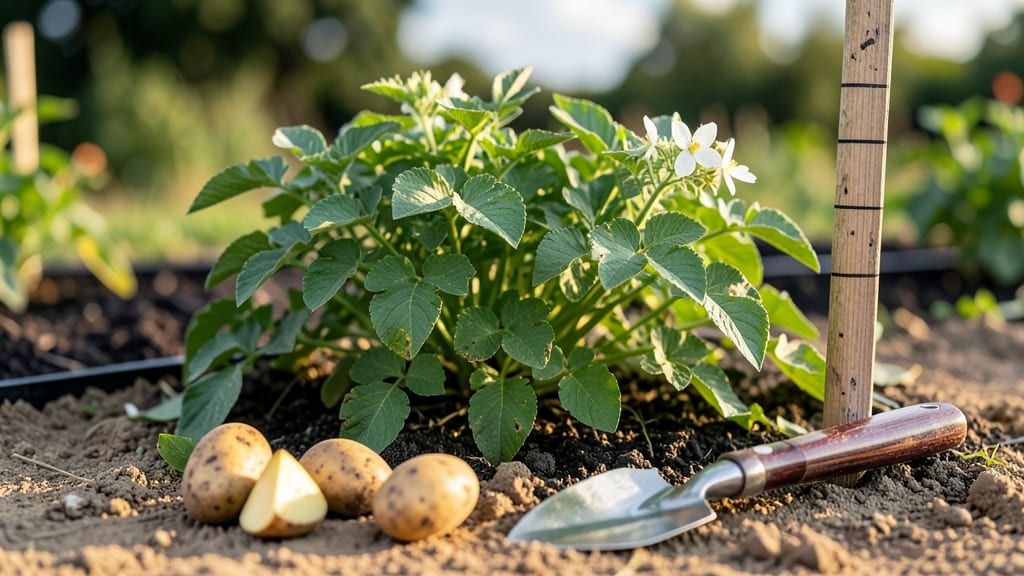
Planting potatoes in Pennsylvania at the wrong time can turn your 🥔 dreams into a muddy mess—literally. The key to a bountiful harvest isn’t just throwing seed potatoes in the ground; it’s knowing the exact weeks before last frost when your soil warms enough for those spuds to thrive.
With PA’s USDA zones 5a-7a and frost dates that shift from late March to early May, timing matters more than most gardeners realize. Plant too early, and frost will kill tender shoots; too late, and you’ll miss the 90-day window many varieties need to mature.
I’ll break down the science behind the perfect planting window—and how to adjust for PA’s unpredictable springs.
Whether you’re a first-time gardener or a seasoned pro, this guide will help you avoid common mistakes like planting when the soil’s still cold or choosing the wrong varieties for your region.
You’ll learn how to use soil thermometers, recognize false springs, and pick the best early-season potatoes for your area.
Ready to dig in? Let’s get your 🥔 patch off to the fastest, most reliable start—so you’re harvesting crisp, homegrown spuds by summer’s end.
PA’s last frost dates by region: exact weeks before planting potatoes
Pennsylvania’s diverse climate means last frost dates can vary by hundreds of miles, making potato planting a regional puzzle. For optimal tuber development, plant 4-6 weeks before your area’s average last frost—giving spuds enough time to mature before summer heat.
But with PA’s USDA zones 5a-7a, timing isn’t one-size-fits-all.
Southern PA (like Philadelphia) enjoys earlier springs than northern regions like Erie, where cold snaps linger. Even within zones, microclimates—like valleys or urban heat islands—shift frost dates by 1-2 weeks.
Gardeners in Pittsburgh or Scranton often wait until mid-April, while Philly gardeners might start in late March.
Here’s the exact breakdown of PA’s frost-free averages and ideal planting windows for potatoes, based on 30-year climate data and real gardener reports. Use this as your planting calendar, but always check soil temps—45°F+ is the golden rule for germination.
🌱
Notice how Erie’s later frost means gardeners there plant 6-7 weeks before their last frost—giving tubers extra time to bulk up. Meanwhile, Philadelphia’s earlier window lets gardeners start Yukon Gold as early as late March, a variety that thrives in warmer soils.
If you’re in zone 5a (like Scranton), opt for cold-hardy varieties like Adirondack Red to avoid frost damage.
Pro tip: Use a soil thermometer to confirm 45°F+ soil temps before planting—even if your region’s frost date has passed. Cold soils delay germination, and potatoes hate waiting.
I’ve seen gardeners in Pittsburgh rush to plant in mid-March only to have their spuds rot in 40°F soil. Patience pays off!
For fall planting (a trick some PA gardeners use in zones 6b+), aim for late August to early September, harvesting before the first frost in October-November.
This works best with early-maturing varieties like Red Norland, which can go from seed to harvest in 90 days. Just be prepared for shorter daylight slowing growth.
🌿
PA’s unpredictable springs mean you should also track weekly frost forecasts from the National Weather Service or local ag extensions. In 2
How to adjust planting time for PA’s unpredictable spring weather
PA’s spring weather can fool even experienced gardeners—one day it’s 60°F and sunny, the next a frost warning hits. For potatoes, this unpredictability means the difference between a 10-bushel harvest and a total loss.
The key is flexibility: knowing how to extend your season and confirm when soil is truly ready.
I’ve learned the hard way that relying on calendar dates alone won’t cut it. Instead, combine soil thermometers, row covers, and variety selection to adapt. Here’s my battle-tested strategy for beating PA’s whimsical spring.
- 🌱 1 Start with soil temperature checks. Potatoes need soil at 45°F+ for 2 weeks straight. Use a soil thermometer (not air temp!) to confirm readiness—especially in northern PA where cold snaps linger.
- 🌡️ 2 Use row covers or cold frames to plant 3-4 weeks earlier. These create a 5-10°F warmer microclimate, letting you start early-season varieties like Yukon Gold or Red LaSoda as soon as soil thaws.
- ⏰ 3 Watch for false springs. If temps spike but nighttime lows stay below 50°F, delay planting. False springs in April have burned my crops—always check 5-day forecasts before planting.
- 🥔 4 Choose varieties by maturity:
- Early: Red Norland (70 days)
- Mid: Kennebec (90 days)
- Late: Russet Burbank (120 days)
- 🌿 5 For late starts, try fall planting in September. Choose cold-hardy varieties like Purple Viking and harvest before first frost (usually mid-October in PA).
Pro tip: If you’re still unsure, plant a test row of early potatoes under row covers in late March. If they sprout and thrive, you’ve got your green light for the rest of your crop. This method has saved my harvests during late frosts in Pittsburgh and Erie.
Remember, PA’s microclimates vary wildly—mountain valleys stay cold longer than Philadelphia’s urban heat islands. Adjust your timing based on your specific location, and don’t be afraid to start small with a few seed potatoes to test the waters.
With these strategies, you’ll outsmart PA’s unpredictable spring and enjoy a reliable harvest—no matter what Mother Nature throws your way. Happy planting! 🌱