
Plants
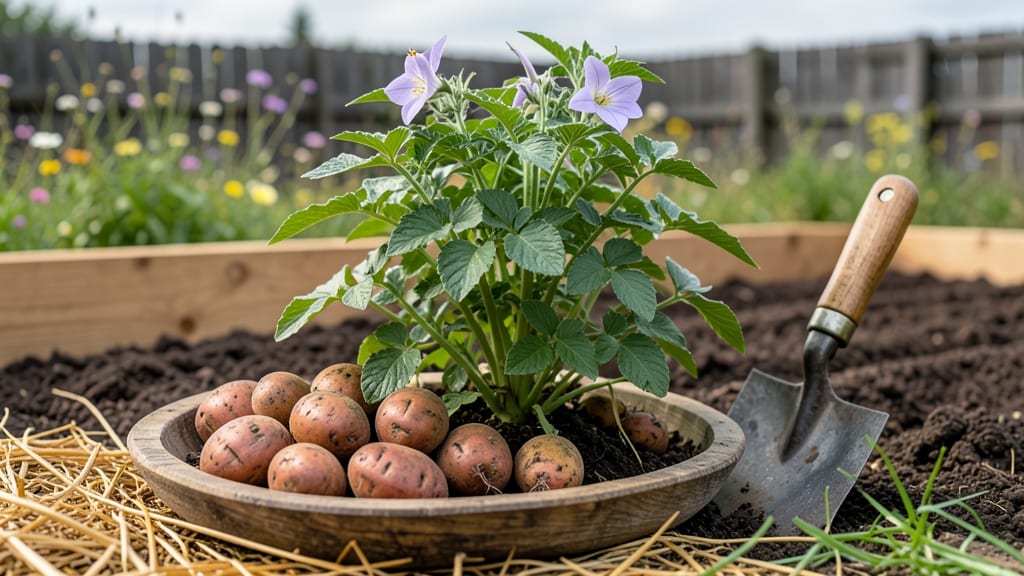
Planting potatoes in Zone 8 at the wrong time can turn your 🥔 dreams into a soggy mess—especially when unpredictable frost sneaks in or blistering heat arrives early. Unlike cooler climates, Zone 8’s mild winters and long growing season demand precision timing to avoid wasted seed potatoes and stunted harvests.
The key to success lies in two distinct planting windows: February-March for spring harvests or September-October for fall crops. But here’s the catch—Zone 8’s frost dates vary wildly, from late February in some areas to November in others.
That means planting 4-6 weeks before your last frost date isn’t just a suggestion; it’s your ticket to a thriving potato patch.
I’ve grown potatoes in Zone 8 for years, and the difference between a perfect harvest and a disappointing one often comes down to one thing: knowing exactly when to get those seed potatoes in the ground.
Whether you’re dealing with Southern California’s coastal breezes or Texas’s inland heat, this guide will help you pinpoint the ideal moment for your microclimate.
Ready to grow potatoes that outperform? Let’s dive into the critical timing, soil prep secrets, and variety choices that’ll make your Zone 8 garden the talk of the neighborhood.
Ideal planting window for Zone 8 potatoes: frost-free timing explained
In Zone 8, where winter temperatures rarely dip below 10°F, potatoes thrive with precise timing. The 4-6 week window before your last frost date (typically mid-March to early April) is critical.
Planting too early risks frost damage, while waiting too long can lead to blight or poor tuber development. Zone 8's mild winters create a unique challenge—balancing frost-free conditions with optimal soil temperatures.
Soil temperature is your best indicator for planting. Potatoes need consistent soil temps above 50°F to sprout and grow. In Zone 8, this usually aligns with late February to early March, but microclimates (like urban heat islands or coastal areas) can shift this window by 2-3 weeks.
Always check local frost data—Zone 8a (colder) may need earlier planting than Zone 8b (warmer).
| Zone 8 Type | Last Frost Date | Ideal Planting Window | Soil Temp Requirement | Key Risk |
|---|---|---|---|---|
| Zone 8a | Mid-March | Late February - Early March | 50°F+ | Late frost damage |
| Zone 8b | Early April | Early March - Mid-March | 50°F+ | Blight from humidity |
| Coastal 8a | Late February | January - Early February | 50°F+ | Cold coastal winds |
| Urban 8b | Early March | Late February - Early March | 50°F+ | Heat stress |
For Zone 8a gardeners, aim to plant 4-6 weeks before your last frost—usually late February to early March. In Zone 8b, you can push planting to early March without risking frost.
Coastal areas often have earlier frost dates due to cold ocean breezes, so start 2-3 weeks sooner than inland zones. Urban areas may experience heat islands, allowing slightly later planting if soil warms quickly.
Use seed potato chitting to jumpstart growth. Place seed potatoes in a bright, cool (50-60°F) spot 4 weeks before planting. Chitting ensures faster emergence once soil temps rise, giving you a 2-week head start on growth. This is especially useful in Zone 8a, where cooler springs delay soil warming.
Adjust your planting window based on potato variety. Early varieties (like 'Yukon Gold') mature in 60-80 days, while late varieties (like 'Russet') need 90-120 days.
Plant early varieties first (late February), followed by mid-season (early March), and late varieties (mid-March) to stagger harvests. This strategy maximizes your frost-free growing season in Zone 8.
Monitor soil moisture closely after planting. Potatoes need consistent moisture but well-draining soil to prevent rot. In Zone 8, spring rains can create soggy conditions, while summer heat may dry soil quickly.
Mulch with straw or grass clippings to retain moisture and regulate soil temperature. Aim for 1 inch of water per week, adjusting for rainfall.
Watch for late-season frost warnings in Zone 8. Even in mild winters, unpredictable cold snaps can occur. Use frost blankets or row covers if temperatures dip below 32°F after planting. These protective layers can save young plants and give them time to establish roots before permanent frost-free conditions arrive.
Fall planting is also possible in Zone 8. For a late-season harvest, plant 4-6 weeks before your first frost (typically September to early October). Choose early-maturing varieties (like 'Red Pontiac') to ensure tubers mature before winter.
Fall-planted potatoes benefit from cooler soil temps, which reduce blight risks common in Zone 8's humid summers.
Track your historical frost dates for 3-5 years to refine your planting schedule. Local weather stations or Almanac frost calculators provide data tailored to your specific location. In Zone 8, microclimates can vary dramatically—what works in Southern California may not apply to Texas Hill Country.
Always err on the side of earlier planting if you're unsure, as potatoes recover better from delay
3 Critical factors that determine your Zone 8 potato planting success
When it comes to growing potatoes in Zone 8, I’ve learned the hard way that timing isn’t one-size-fits-all. The three most critical factors—microclimate variations, soil preparation depth, and seed potato chitting—can make or break your harvest.
For example, my urban backyard in Los Angeles gets frost warnings weeks later than my rural friends in Central Texas, even though we’re both in Zone 8.
Zone 8’s unpredictable weather means you can’t just follow a generic calendar. Instead, you need to combine historical frost dates, soil temperature data, and your potato variety’s maturity chart to pinpoint the perfect planting window.
Let’s break down how these three factors work together to give you the best chance at a bountiful harvest.
- 📅 Microclimate Timing: Urban areas (like Zone 8a) often have later frost dates than rural zones (like Zone 8b). Check your local USDA frost maps and adjust planting by 2-4 weeks if you’re in a heat-island area.
- 🌱 Soil Depth: Loosen soil to 8+ inches deep—potatoes need room to grow. Add compost or aged manure to improve drainage, especially in clay-heavy soils common in Southern California or Texas blackland regions.
- 🌱 Chitting Method: Pre-sprout ("chit") seed potatoes for 3-4 weeks before planting. Place them in a cool, bright spot (60°F) with sprouts facing up—this gives you a 2-week head start on growth once in the ground.
- ⏰ Variety Maturity: Early varieties (like Yukon Gold) need 60-70 days to mature, while late varieties (like Russet Burbank) take 100-120 days. Plant early varieties 4-6 weeks before last frost; late varieties 6-8 weeks before.
- 🌡️ Soil Temperature: Wait until soil reaches 50°F+—cold soil delays sprouting. Use a soil thermometer to avoid guessing, especially in cooler microclimates like high-elevation Zone 8 areas.
For spring planting, I always aim to get my seed potatoes in the ground by mid-March in most of Zone 8, but I adjust based on my local frost history.
For example, in San Diego (Zone 8b), I might plant as early as February 15, while in Austin (Zone 8a), I wait until March 1 to avoid late frosts.
Using a plant maturity chart helps me match varieties to my timeline—early varieties for quick harvests, late varieties for storage.
Don’t overlook the power of historical weather data. Websites like the National Weather Service or local agricultural extensions provide 10-year frost averages that can help you fine-tune your planting date.
For instance, if your area has a 50% chance of frost in early April, planting 4 weeks before (mid-March) gives your potatoes a buffer. Pair this with chitting, and you’ll see sprouts breaking through the soil just as the last frost passes.
Proper soil preparation is non-negotiable in Zone 8. I’ve seen potatoes fail in heavy clay soils because they couldn’t drain properly, leading to rot. Amending with sand or compost creates the loose, well-draining environment potatoes crave.
If your soil is sandy, add organic matter to retain moisture—Zone 8’s dry spells can stress young plants. Test your soil’s pH (5.8-6.5 is ideal) and adjust with lime or sulfur if needed.
Finally, remember that fall planting in Zone 8 is a game-changer for a late harvest. Plant seed potatoes in September for a November-December crop, timing it so tubers mature before the first frost.
This works best with early-maturing varieties like Red Pontiac, which can go from seed to harvest in 70 days. Just be mindful of blight risks in humid Zone 8 summers—choose disease-resistant varieties if planting late.
By mastering these three factors—microclimate timing, soil prep, and chitting—you’ll turn Zone 8’s challenges into opportunities for a reliable, high-yield potato harvest.
Start with your local frost data, prep your soil like a pro, and give your seed potatoes a head start. Your future spuds will thank you!